Explore affordable housing trends in Kenyan towns, key growth drivers, top investment hotspots, government programs, and future opportunities shaping Kenya’s real estate market.
Introduction – Why Affordable Housing is Becoming a National Priority
Affordable Housing Trends in Kenyan Towns
Affordable housing has become one of the most important development agendas in Kenya today, driven by a growing gap between housing demand and supply. The country continues to face a significant housing deficit, estimated in the millions of units, with urban areas being the most affected. As more people move to cities and towns in search of employment, education, and better living standards, the pressure on available housing stock has increased sharply, leading to overcrowding and rising rental costs.
At the same time, Kenya is experiencing rapid urban growth not only in major cities like Nairobi but also in satellite towns and regional urban centers. Towns such as Kitengela, Ruiru, Nakuru, Kisumu, and Eldoret are expanding quickly due to improved infrastructure and economic decentralization. This shift is reshaping the demand for more affordable and well-planned residential developments outside traditional city centers.
In response, the government has intensified efforts through the Affordable Housing Programme (AHP), aimed at delivering decent and cost-effective housing units for low- and middle-income earners. The initiative also encourages public-private partnerships to accelerate development and improve accessibility.
Private developers and SMEs are playing an increasingly vital role by introducing innovative building methods, cost-efficient designs, and mixed-use developments. Their involvement is helping bridge the gap left by public housing projects.
Overall, affordable housing in Kenya is no longer just a policy goal but a critical necessity shaping the country’s future, with housing trends in Kenya clearly pointing toward decentralized, cost-driven urban growth.
Overview of Affordable Housing in Kenya
Affordable housing in Kenya refers to residential units that are designed and priced in a way that makes them accessible to low- and middle-income earners without causing financial strain. In the Kenyan context, affordability is not only about low construction costs but also about aligning housing prices with household incomes, ensuring that families can comfortably meet rent or mortgage obligations while still covering other basic needs such as food, education, and healthcare.
The sector primarily targets two key income groups: low-income earners, who often struggle with access to formal housing and rely on informal settlements, and middle-income earners, who form the largest portion of Kenya’s urban workforce but still find conventional housing in cities too expensive. This focus has made affordable housing a central pillar in national development planning.
Several institutions play a role in driving this agenda. The national government, through the State Department for Housing and Urban Development, leads policy formulation and implementation of major housing projects. County governments contribute by providing land, infrastructure support, and approvals, while private developers and financial institutions are responsible for actual construction and financing solutions. Public-private partnerships have become especially important in scaling delivery.
In recent years, towns and satellite urban centers have become more significant than Nairobi’s central business district in housing development. High land prices, congestion, and rising living costs in the CBD have pushed both developers and residents toward emerging towns such as Ruaka, Ruiru, Kitengela, Nakuru, and Kisumu outskirts. These areas offer more affordable land, better expansion opportunities, and improved infrastructure connectivity.
As a result, affordable housing in Kenya is increasingly being shaped by decentralized growth, with housing trends in Kenya clearly shifting toward satellite towns and regional urban hubs.

Key Drivers of Affordable Housing Growth in Kenyan Towns
The rapid expansion of affordable housing in Kenyan towns is not happening by chance. It is the result of several strong economic and social forces that are reshaping how and where people live. From population movement to infrastructure development and urban cost pressures, these drivers are collectively pushing development away from congested city centers into emerging towns and satellite urban areas.
Rapid Urbanization
One of the strongest drivers of affordable housing growth is rapid urbanization. Kenya continues to experience significant migration from rural areas to urban centers as people seek better employment opportunities, education, healthcare, and improved living standards. This movement has created sustained pressure on housing demand in towns and cities.
As major cities become overcrowded, many residents are relocating to nearby satellite towns where housing is more affordable and land is still available for development. Towns such as Ruiru, Kitengela, Ngong, and Athi River have grown rapidly due to this spillover effect. These areas are now forming new urban clusters that support both residential and commercial expansion, making them key players in Kenya’s evolving housing landscape.
Infrastructure Expansion
Infrastructure development is another major catalyst for affordable housing growth. The expansion of roads, electricity, water supply, and internet connectivity into towns has significantly improved their attractiveness for both developers and homebuyers. Better infrastructure reduces construction and living costs while improving accessibility to major cities.
Projects such as the Standard Gauge Railway (SGR), Nairobi expressways, and improved highway networks have made commuting from satellite towns more practical. This has encouraged developers to invest in areas previously considered remote. As a result, housing developments are now spreading along major transport corridors, creating new real estate hotspots across the country.
Rising Cost of Living in Cities
The increasing cost of living in major cities like Nairobi has also pushed many residents to seek alternatives in surrounding towns. High rent prices, expensive land, and daily living expenses in urban cores have made it difficult for many households to sustain city living.
This has led to a clear shift toward more affordable outskirts and satellite towns where both housing and general expenses are lower. As a result, demand for affordable housing in these areas continues to grow steadily, reinforcing the broader trend of decentralised urban development in Kenya.
Top Kenyan Towns Experiencing Affordable Housing Growth
Affordable housing development in Kenya is increasingly concentrated in specific towns that offer a balance of affordability, accessibility, and growth potential. These areas are benefiting from urban spillover effects, infrastructure expansion, and rising demand for cost-effective residential options. As a result, they have become key hotspots for developers targeting low- and middle-income households.
Nairobi Metropolitan Satellite Towns
The Nairobi metropolitan region continues to dominate affordable housing expansion, with satellite towns absorbing much of the capital’s population overflow. Towns such as Kitengela, Ngong, Ruaka, Ruiru, and Athi River have experienced rapid transformation over the past decade. Kitengela and Athi River, for instance, have attracted large-scale apartment developments due to relatively cheaper land and proximity to industrial zones. Ruiru and Ruaka benefit from their strategic location along major highways, making them ideal for commuters working in Nairobi. Ngong, on the other hand, is gaining popularity due to scenic surroundings and improved road networks linking it to the city. These towns are now characterized by gated communities, high-rise apartments, and mixed-use developments that cater to diverse income groups.
Fast-Growing Regional Towns
Beyond Nairobi’s influence, several regional towns are also emerging as strong affordable housing hubs. Nakuru, Kisumu, Eldoret, and Thika are leading this growth due to their expanding economies and improved infrastructure. Nakuru’s elevation to city status has accelerated real estate investment, particularly in rental apartments and middle-income housing estates. Kisumu is witnessing steady growth driven by lakeside economic activities and infrastructure upgrades. Eldoret continues to expand due to its role as an agricultural and educational hub, attracting both students and professionals. Thika, with its strong industrial base and proximity to Nairobi, remains a key residential alternative for commuters and factory workers. These towns are increasingly offering modern housing solutions at relatively lower prices compared to the capital.
Why These Towns Are Attractive
These towns are attractive for affordable housing development due to three main factors: lower land prices compared to major cities, improved transport infrastructure that enhances connectivity, and growing employment opportunities within or near these urban centers. Together, these advantages make them ideal locations for both developers and homebuyers seeking value-driven housing options.
Types of Affordable Housing Developments in Kenya
Affordable housing in Kenya is not limited to a single building style or design. Instead, it has evolved into diverse development models that cater to different income groups, land availability, and urban growth patterns. Developers are increasingly focusing on efficient land use, cost reduction, and functionality, resulting in a variety of housing types across towns and satellite urban areas.
High-Density Apartment Blocks
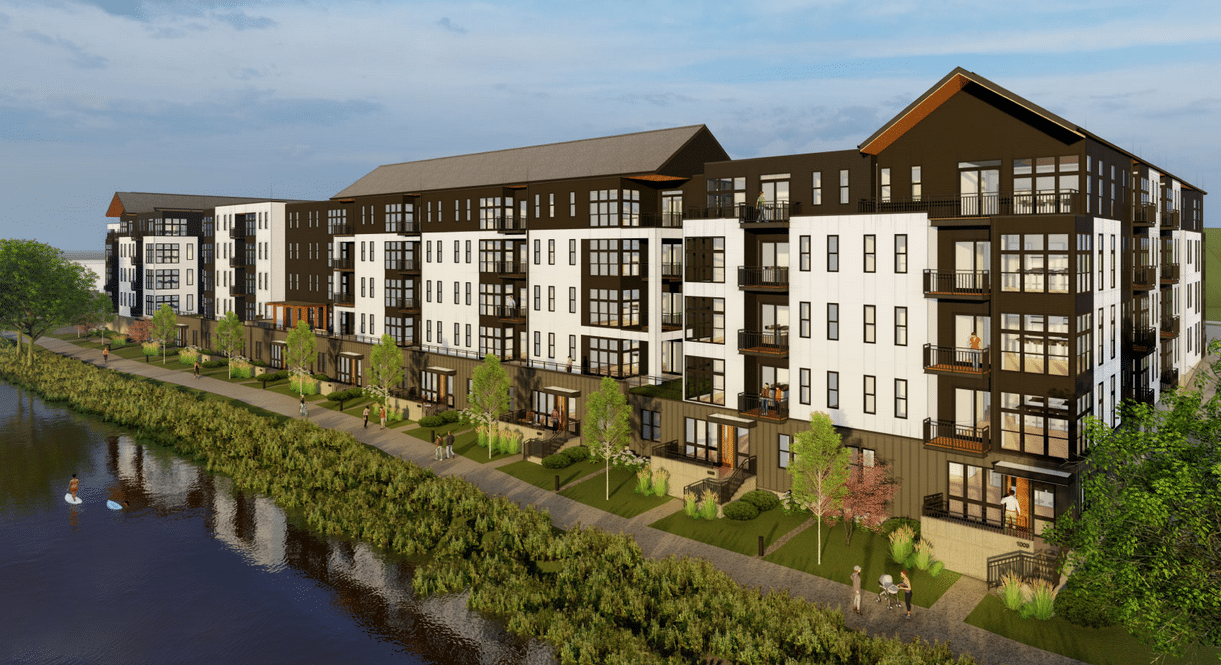
High-density apartment blocks are the most common form of affordable housing development in Kenya, especially in urban towns and satellite areas. These developments typically consist of multi-storey buildings designed to maximize land use while keeping unit costs relatively low. They mainly feature studio apartments and one-bedroom units, which are highly suitable for young professionals, students, and small families.
Most of these projects are rental-focused, offering consistent income streams for investors while addressing the high demand for affordable urban housing. Their compact design reduces construction costs and allows developers to accommodate more tenants within a limited land area. This model is particularly popular in fast-growing towns where land prices are steadily increasing.
Maisonettes and Townhouses
Maisonettes and townhouses are becoming increasingly popular among Kenya’s middle-income earners who desire more space, privacy, and ownership opportunities. These units are often developed within planned gated communities that offer security, shared amenities, and controlled environments.
Unlike high-density apartments, maisonettes provide multi-level living spaces, making them ideal for families. Although slightly more expensive, they still fall within the affordable housing bracket in many emerging towns due to lower land and construction costs compared to major cities. This segment reflects the growing demand for suburban-style living combined with modern infrastructure and accessibility.
Mixed-Use Developments
Mixed-use developments are an emerging trend in Kenya’s affordable housing sector, especially in rapidly urbanizing towns. These projects combine residential units with commercial spaces such as shops, offices, or service outlets within the same development.
This model enhances convenience for residents by providing essential services within walking distance while also creating additional income streams for property owners. Mixed-use developments are particularly suited for growing towns where commercial and residential demand is rising simultaneously, making them a key feature of modern urban planning in Kenya.
Government Role and Affordable Housing Programme (AHP)
The Kenyan government plays a central role in shaping the direction of affordable housing through policy development, infrastructure support, and direct project implementation. At the heart of this effort is the Affordable Housing Programme (AHP), a national initiative aimed at increasing access to decent and cost-effective housing for low- and middle-income households. The programme seeks to reduce the country’s housing deficit by accelerating construction of new units across urban centers and growing towns.
A key strategy under the AHP is the use of public-private partnerships (PPPs). Through this model, the government provides land, policy support, and infrastructure, while private developers contribute capital, technical expertise, and construction capacity. This collaboration helps speed up project delivery and improves efficiency in large-scale housing developments across the country.
To encourage participation from the private sector, the government has introduced several incentives for developers. These include tax reliefs on construction materials, reduced approval timelines, and supportive zoning regulations in designated housing zones. Such incentives are designed to lower the overall cost of development and make affordable housing projects more viable.
County governments also play an important role by identifying land for development, issuing approvals, and supporting infrastructure such as roads, water, and sanitation systems. Many county-level housing projects are now being developed in fast-growing towns to address local demand and reduce pressure on major cities.
Despite these efforts, the implementation of the Kenya affordable housing program faces several challenges. These include high construction costs, limited funding, land acquisition issues, and bureaucratic delays in approvals. In some cases, public resistance and legal disputes over land ownership also slow down progress.
Overall, while significant progress has been made, the success of the AHP depends on stronger coordination between national and county governments, private developers, and financial institutions to fully address Kenya’s growing housing needs.
Cost Factors Influencing Housing Trends
The direction of affordable housing growth in Kenya is strongly influenced by several key cost factors. These costs determine where developers build, what type of housing is constructed, and how affordable the final units are for end users. From land acquisition to construction materials and financing conditions, each element plays a major role in shaping housing trends across Kenyan towns.
Land Prices
Land prices remain one of the most significant determinants of housing affordability. In Kenya, land costs vary widely depending on location, infrastructure availability, and proximity to major urban centers. Towns closer to Nairobi, such as Ruiru, Kitengela, and Ruaka, tend to have higher land prices due to increased demand and improved connectivity. In contrast, emerging towns like parts of Nakuru, Kisumu outskirts, and Eldoret offer relatively cheaper land, making them attractive for large-scale affordable housing projects. This variation directly influences where developers choose to invest and the type of housing they build.
Construction Material Costs
The cost of construction materials such as cement, steel, sand, and finishing products has a direct impact on housing prices in Kenya. Fluctuations in global supply chains, transportation costs, and inflation often lead to increased building expenses. Cement and steel, in particular, represent a large portion of total construction costs, while labor expenses continue to rise due to increased demand for skilled workers. These rising costs force developers to adopt cost-saving strategies such as high-density housing designs and alternative building technologies to maintain affordability.
Financing and Interest Rates
Access to affordable financing is another major challenge affecting housing development. High mortgage interest rates and strict lending requirements make it difficult for many low- and middle-income earners to access home ownership. Limited access to long-term financing for developers also slows down project completion. As a result, many buyers rely on informal savings schemes or cooperative housing models to acquire homes, which continues to shape Kenya’s evolving housing market.
Challenges Facing Affordable Housing in Kenyan Towns
Despite strong growth and government support, affordable housing development in Kenyan towns continues to face several structural and operational challenges. These issues often slow down project delivery, increase costs, and limit access to decent housing for many households. Understanding these barriers is essential in addressing the housing deficit more effectively.
One of the biggest challenges is the high cost of construction. Rising prices of cement, steel, labor, and finishing materials significantly increase the overall cost of housing projects. This forces developers to either increase unit prices or reduce building specifications, which can affect quality and long-term durability.
Land ownership disputes also remain a major obstacle. In many fast-growing towns, unclear land titles, historical ownership conflicts, and lengthy verification processes delay development. These legal issues can stall projects for years, discouraging investors from committing to large-scale affordable housing schemes.
Infrastructure gaps in emerging towns further complicate development. Inadequate water supply, poor road networks, and insufficient sewage systems increase the cost of preparing land for construction. Developers often have to invest heavily in basic infrastructure before building can even begin.
Slow approval processes and bureaucratic procedures at both county and national levels also contribute to delays. Lengthy permit acquisition timelines increase holding costs and reduce project efficiency, making affordable housing less attractive to some investors.
Additionally, limited financing options for low-income buyers remain a major barrier. High interest rates and strict mortgage requirements exclude many potential homeowners from accessing formal housing finance. As a result, a large portion of the population continues to rely on rentals or informal settlement options.
Overall, these challenges highlight the need for coordinated reforms to ensure sustainable growth of affordable housing in Kenya’s expanding towns.

Emerging Trends Shaping the Future of Affordable Housing
The affordable housing sector in Kenya is rapidly evolving, driven by innovation, sustainability concerns, and the need for faster delivery of housing units. Developers, policymakers, and investors are increasingly adopting modern construction methods and design approaches that reduce costs while improving efficiency and livability. These emerging trends are expected to define the future of housing in Kenyan towns.
Green and Sustainable Housing
Green and sustainable housing is becoming a key trend in Kenya’s affordable housing landscape. Developers are increasingly integrating eco-friendly features such as solar energy systems to reduce electricity costs and improve energy efficiency for homeowners. Solar power is particularly valuable in reducing long-term utility expenses, making housing more affordable over time.
Water harvesting systems are also being incorporated into modern housing designs to address water shortages in fast-growing towns. These systems allow residents to collect and store rainwater for domestic use, reducing dependence on municipal supply. Combined, these sustainable solutions not only lower living costs but also promote environmental conservation and long-term resilience in urban housing developments.
Prefabricated and Modular Construction
Prefabricated and modular construction methods are gaining popularity as developers seek faster and more cost-effective building solutions. These methods involve manufacturing building components off-site and assembling them on-site, significantly reducing construction time and labor costs.
This approach also minimizes material waste and improves quality control, making it an attractive option for large-scale affordable housing projects. In Kenya’s growing towns, where demand for housing is rising rapidly, prefabrication offers a practical solution for delivering units quickly without compromising structural integrity. As technology advances, this method is expected to play a major role in scaling affordable housing supply.
Smart Housing Designs
Smart housing designs are also emerging as a key feature in modern affordable housing developments. These designs focus on maximizing space utilization through efficient layouts that accommodate the needs of small and medium-sized families.
In addition, many new developments are incorporating basic smart security systems such as controlled access gates, CCTV surveillance, and automated lighting. These features enhance safety while improving convenience for residents. Overall, smart design principles are helping create more functional, secure, and cost-efficient housing solutions across Kenyan towns.
Investment Opportunities in Affordable Housing
Affordable housing in Kenyan towns presents one of the most promising real estate investment opportunities today. As urban populations continue to grow and more people move into satellite towns, demand for quality yet affordable housing has increased significantly. This rising demand is creating strong and consistent returns for investors who position themselves early in emerging markets.
One of the most stable opportunities lies in rental housing. Towns such as Ruiru, Kitengela, Nakuru, and Kisumu outskirts continue to experience high demand for rental units, especially studios and one-bedroom apartments. These properties often achieve high occupancy rates due to steady inflow of workers, students, and young professionals seeking affordable accommodation near economic hubs.
Short-term rentals such as Airbnb are also gaining popularity in well-located towns. With improved road networks and increased domestic travel, investors are converting apartments into furnished units targeting business travelers and visitors. This segment offers higher income potential compared to traditional long-term rentals, especially in towns near Nairobi and major tourist routes.
Real estate appreciation trends further strengthen the investment case. Land and property values in satellite towns have been steadily rising due to infrastructure development and urban expansion. Early investors often benefit from significant capital gains as these areas mature into fully developed urban centers.
For small investors, entry points include purchasing single rental units, buying plots in developing areas, or joining housing SACCOs and collective investment schemes. These options allow gradual participation in the real estate market without requiring large upfront capital.
Return on investment (ROI) in satellite towns is generally attractive, often outperforming many traditional savings or investment products. With proper location selection and property management, investors can achieve steady rental income alongside long-term capital growth.
Future Outlook of Affordable Housing in Kenya
The future of affordable housing in Kenya looks strongly growth-oriented, driven by rapid urban expansion and sustained demand across both major cities and emerging towns. Satellite towns are expected to continue absorbing a large share of population growth as Nairobi and other urban centers become increasingly congested and expensive. This will further strengthen housing development in areas such as Ruiru, Kitengela, Nakuru, Kisumu outskirts, and Eldoret.
Ongoing and planned infrastructure projects will also play a major role in shaping future housing patterns. Improved road networks, railway connectivity, and utility expansion are making previously remote areas more accessible and attractive for residential development. As infrastructure improves, more land becomes viable for large-scale housing projects.
Private sector participation is also expected to increase significantly. Developers, financial institutions, and real estate investors are becoming more active in affordable housing due to rising demand and supportive government policies. This collaboration will be key in bridging the housing deficit.
A clear shift toward vertical housing is also emerging, especially in towns where land is becoming scarce. High-rise apartments are gradually replacing low-density developments as developers seek to maximize land use and reduce unit costs.
Overall, the demand for affordable housing in Kenya is expected to outpace supply for at least the next decade. This imbalance presents both a challenge and an opportunity, making the sector one of the most dynamic and investment-worthy areas in the country’s real estate market.
Conclusion – Why Affordable Housing in Kenyan Towns is a Long-Term Opportunity
Affordable housing in Kenyan towns is being shaped by powerful and long-lasting forces, including rapid urbanization, infrastructure expansion, and rising demand for cost-effective living spaces. As highlighted throughout the article, satellite towns and regional urban centers are now at the heart of Kenya’s housing transformation, absorbing population pressure from major cities and creating new residential growth corridors.
From an investment perspective, the sector continues to present strong opportunities for both small and large-scale investors. Rental demand remains high, property values are steadily appreciating, and new development models such as apartments and mixed-use projects are opening up additional income streams. This makes affordable housing not only a social necessity but also a viable long-term wealth-building avenue.
However, success in this sector depends heavily on proper planning, access to financing, and strategic location selection. Investors and developers who carefully evaluate land prices, infrastructure availability, and market demand are more likely to achieve sustainable returns and avoid costly mistakes.
Looking ahead, affordable housing will remain closely tied to Kenya’s urban growth and economic development. As towns continue to expand and infrastructure improves, the shift toward sustainable, efficient, and high-density housing will accelerate. This ensures that affordable housing is not just a short-term trend, but a long-term structural opportunity within Kenya’s evolving real estate landscape.