1 Bedroom Apartment Construction Guide Kenya
Complete 1 Bedroom Apartment Construction Guide in Kenya covering costs, design, approvals, ROI, and expert tips to maximize rental income and profits.
Introduction: Why 1 Bedroom Apartments Are Booming in Kenya
1 Bedroom Apartment Construction Guide Kenya
Kenya’s real estate sector is experiencing rapid growth, driven largely by increasing urbanization in major cities such as Nairobi, Kisumu, and Eldoret. As more people migrate to urban areas in search of employment, education, and better living standards, the demand for affordable and practical housing solutions continues to rise. Among the most sought-after options are 1 bedroom apartments, which strike a perfect balance between cost, comfort, and functionality.
These units are especially popular among young professionals, university students, and low- to middle-income earners who need more privacy and space than a bedsitter can offer, but at a lower cost than larger multi-bedroom apartments. Compared to bedsitters, 1 bedroom apartments provide separate living and sleeping areas, making them more attractive to tenants seeking convenience and a better quality of life.
For investors and developers, 1 bedroom apartments present a compelling opportunity. They are relatively affordable to construct and generate consistent rental income due to high occupancy rates in urban centers. This makes them an ideal entry point into Kenya’s growing real estate market.
In this comprehensive guide, you’ll learn everything you need to know—from construction costs and design considerations to legal approvals and return on investment (ROI)—to help you plan and execute a successful 1 bedroom apartment project in Kenya.
What Is a 1 Bedroom Apartment?
A 1 bedroom apartment is a self-contained residential unit designed to offer both comfort and privacy through clearly defined living spaces. Unlike smaller units, it typically includes a separate bedroom, a living room, a kitchen, and a bathroom. This layout allows occupants to enjoy a more organized and functional home environment, making it ideal for individuals or couples.
It is important to distinguish a 1 bedroom apartment from similar housing options. A bedsitter usually consists of a single open space that combines the sleeping, living, and sometimes cooking areas, with a separate bathroom. A studio apartment is slightly more advanced, featuring an open-plan design where the bedroom, living room, and kitchen share one space, but often with better finishes. In contrast, a 1 bedroom unit provides a fully separate bedroom, offering greater privacy and comfort.
In Kenya, the typical size of a 1 bedroom apartment ranges between 30 to 60 square meters, depending on the design, location, and target market. This size makes it a practical and affordable housing option, especially in urban areas where space and cost efficiency are key considerations.
Key Factors to Consider Before Construction
Before starting a 1 bedroom apartment project in Kenya, careful planning is essential to ensure profitability, compliance, and long-term success.
Location plays a major role in determining demand and rental income. Urban areas such as Nairobi, Kisumu, and Eldoret attract higher tenant demand due to job opportunities and institutions, while peri-urban areas offer cheaper land but may have slower rental uptake.
Target tenants should guide your design and pricing. Students prefer compact, affordable units near universities, while young professionals may prioritize modern finishes and security. Small families may also opt for spacious 1 bedroom units in quieter neighborhoods.
Budget planning and financing are critical. You need a clear estimate covering land, construction, approvals, and contingencies. Whether you’re using savings, loans, or partnerships, proper financial planning prevents project delays or incomplete buildings.
Land availability and zoning regulations must be verified before construction begins. Ensure the land is properly titled and approved for residential or multi-dwelling use by the county government to avoid legal issues or demolition risks.
Number of floors will impact both cost and returns. Single-storey developments are cheaper and simpler to build, while multi-storey apartments maximize land use and rental income, especially in high-demand urban areas.
Accessibility and infrastructure are equally important. Reliable road access, clean water supply, electricity, and drainage systems significantly increase the attractiveness and value of your apartments. Poor infrastructure can discourage tenants, even in prime locations.
By evaluating these factors early, you can make informed decisions that enhance both construction efficiency and long-term investment returns.
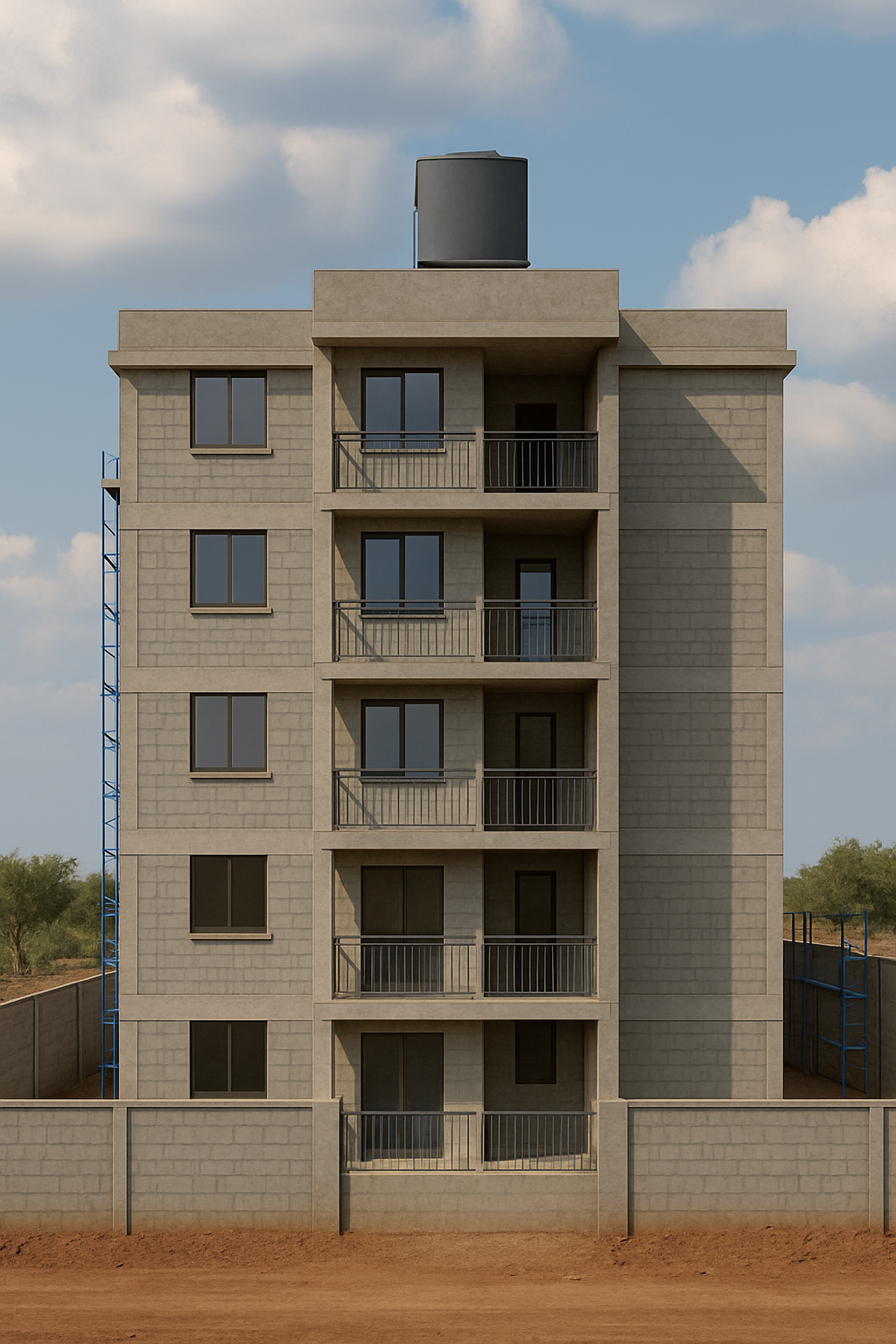
Cost of Building a 1 Bedroom Apartment in Kenya
Understanding the cost of building a 1 bedroom apartment in Kenya is crucial for proper planning and profitability. Construction costs vary depending on location, design, materials, and level of finishes, but on average, you can expect to spend between KES 25,000 to KES 45,000 per square meter. Lower-end finishes fall on the cheaper side, while modern, high-quality finishes push costs higher.
General Cost Estimates
To give a clearer picture:
- 1 unit (30–60 sqm): approximately KES 800,000 to KES 1.5 million
- 10-unit apartment block: approximately KES 8 million to KES 15 million
These figures can vary significantly depending on whether you are building in high-cost areas like Nairobi or more affordable regions such as Kisumu or Eldoret.
Detailed Cost Components
Land Cost
Land prices differ widely based on location. Urban plots are more expensive but offer higher rental returns, while peri-urban land is cheaper but may require additional infrastructure investment.
Foundation & Structure
This includes excavation, footing, concrete works, columns, beams, and walling. It typically consumes 40–50% of the total construction budget, especially for multi-storey apartments where structural strength is critical.
Roofing
For single-storey units, roofing costs include timber/steel trusses, roofing sheets, and insulation. In multi-storey apartments, this cost is spread across more units, reducing the cost per unit.
Plumbing & Electrical Works
This covers piping, drainage systems, wiring, sockets, lighting fixtures, and water systems. Quality installation is essential to avoid costly repairs later.
Finishing (Tiles, Paint, Fittings)
Finishes significantly affect both cost and rental value. This includes floor tiles, wall finishes, ceilings, kitchen cabinets, wardrobes, doors, and sanitary fittings. High-end finishes increase tenant appeal and rental income.
Hidden Costs Most Developers Overlook
Approvals and Permits
You must budget for county approvals, building permits, and inspections. These costs vary by county but are mandatory.
Professional Fees
Architects, structural engineers, and quantity surveyors typically charge 5%–15% of the total construction cost. While some developers try to avoid these costs, professional input ensures safety, compliance, and cost control.
Utility Connections
Connecting water, electricity, and sewer systems can be expensive, especially in undeveloped areas. These costs are often underestimated but are essential for occupancy.
Pro Tip for Investors
To stay within budget, always include a contingency fund of 5%–10% to cover unexpected expenses such as material price fluctuations or design changes.
A well-planned budget not only ensures smooth construction but also protects your investment and maximizes long-term returns.
Step-by-Step Construction Process
Building a 1 bedroom apartment in Kenya requires a structured approach to ensure quality, compliance, and efficiency. Below is a step-by-step breakdown of the construction process from concept to completion.
Phase 1: Planning & Design
This is the most critical stage, as it determines the success of your entire project.
Hiring Professionals
Engage qualified experts, including an architect, structural engineer, and quantity surveyor. These professionals help you design a safe, functional, and cost-effective apartment.
Architectural Drawings
The architect prepares detailed layouts showing room arrangement, dimensions, ventilation, and aesthetics. Good design maximizes space, especially for 1 bedroom units.
Structural Designs
A structural engineer develops drawings that ensure the building can safely withstand loads, especially for multi-storey apartments. This includes foundation details, beams, and columns.
Phase 2: Approvals
Before construction begins, you must obtain all required legal approvals.
County Government Approvals
Submit your architectural and structural drawings to the relevant county (e.g., Nairobi or Kisumu) for approval. Construction without approval can lead to penalties or demolition.
NCA Registration
Register your project with the National Construction Authority (NCA). Both the contractor and the project must be registered before works begin.
Environmental Compliance
For larger developments, approval from the National Environment Management Authority (NEMA) may be required to assess environmental impact.
Phase 3: Construction
Once approvals are secured, actual construction begins.
Site Preparation
This includes land clearing, leveling, and setting out the building layout according to the drawings.
Foundation
Excavation and concrete works are carried out to create a strong base that supports the entire structure.
Walling
Walls are constructed using materials such as machine-cut stones or blocks, depending on budget and design.
Roofing
For single-storey units, roofing is installed using trusses and iron sheets or tiles. In multi-storey apartments, a roof slab may be constructed at the top level.
Finishing
This stage includes plastering, painting, tiling, installation of doors, windows, cabinets, plumbing fixtures, and electrical fittings. Finishing determines the final look and rental value of the apartment.
Phase 4: Inspection & Completion
Final Approvals
County officials and relevant authorities inspect the building to ensure it meets safety and construction standards.
Occupation Certificate
Once approved, you are issued an occupation certificate, allowing tenants to legally occupy the building.
Following this structured process helps avoid costly mistakes, ensures compliance with Kenyan laws, and guarantees a durable, high-quality apartment project.

Best Design Ideas for 1 Bedroom Apartments
Design plays a key role in determining the attractiveness, functionality, and rental value of a 1 bedroom apartment. A well-designed unit can command higher rent and maintain high occupancy rates.
Space-Saving Layouts
Efficient use of space is essential, especially for units ranging between 30–60 sqm. Open living areas, built-in wardrobes, and minimal corridors help maximize usable space. Positioning the bedroom away from the entrance also enhances privacy, making the unit more appealing to tenants.
Open-Plan Kitchens
Open-plan kitchens are increasingly popular in modern apartment designs. By combining the kitchen and living room, you create a more spacious and airy feel. This design also reduces construction costs by minimizing walls, while still offering a contemporary look that attracts young professionals.
Natural Lighting and Ventilation
Proper window placement is crucial. Large windows allow natural light to flood the rooms, reducing electricity costs and improving comfort. Cross-ventilation ensures fresh air circulation, which is especially important in warm regions like Kisumu and Nairobi.
Balcony Addition (Value Boost)
Adding a small balcony can significantly increase rental appeal. Tenants value outdoor space for relaxation, laundry, or even small urban gardening. Even a compact balcony can justify higher rent in competitive urban markets.
Modern vs Low-Cost Finishes
Choosing the right finishes depends on your target market. Low-cost finishes (cement screed floors, simple paint) reduce initial costs but may attract lower rent. Modern finishes (tiles, gypsum ceilings, stylish fittings) increase construction costs but improve tenant appeal and long-term returns.
Ultimately, the best design balances affordability, durability, and tenant expectations to maximize both occupancy and profitability.
Rental Income & Return on Investment (ROI)
One of the biggest advantages of building 1 bedroom apartments in Kenya is the potential for steady rental income and attractive returns on investment (ROI). Due to high urban demand, these units often experience low vacancy rates, especially in well-planned locations.
Rental Income Estimates
Rental prices vary depending on location, accessibility, and finishing quality:
- In Nairobi: KES 8,000 – 20,000 per month
- In Kisumu and Eldoret: KES 5,000 – 12,000 per month
Prime locations near universities, business districts, or major roads tend to attract higher rents and consistent tenants.
ROI Calculation Example
Let’s consider a simple investment scenario:
- Total construction cost: KES 10 million
- Monthly rental income: KES 120,000 (e.g., 10 units at KES 12,000 each)
- Annual income: KES 1.44 million
Based on this, the payback period is approximately 6–8 years, depending on occupancy rates and maintenance costs. After this period, the property becomes a consistent source of passive income.
Factors Affecting ROI
Location
Properties in high-demand urban areas yield better returns due to higher rent and occupancy rates.
Demand
Areas with universities, industries, or growing populations ensure a steady flow of tenants, reducing vacancy risks.
Finishing Quality
Well-finished apartments attract higher-paying tenants and reduce turnover. While they cost more upfront, they significantly improve long-term returns.
Legal Requirements & Approvals in Kenya
Before constructing a 1 bedroom apartment in Kenya, it is essential to comply with all legal requirements to avoid fines, project delays, or even demolition. The approval process ensures that your building meets safety, planning, and environmental standards.
County Construction Permits
You must submit architectural and structural drawings to your local county government—such as Nairobi or Kisumu—for approval. Once reviewed and approved, you will be issued with a construction permit allowing you to begin building legally.
NCA Registration
All construction projects must be registered with the National Construction Authority (NCA). Additionally, your contractor must be licensed by the NCA to ensure adherence to national construction standards.
Land Ownership Documents (Title Deed)
You must have a valid title deed or proof of land ownership before applying for approvals. This confirms that the land is legally yours and suitable for development.
Building Code Compliance
Your project must comply with Kenyan building codes and zoning regulations. These cover aspects such as structural safety, building height limits, drainage systems, and proper ventilation.
Inspection Stages
Throughout construction, inspections are carried out at key stages—foundation, structural works, and completion—to ensure compliance with approved plans and safety standards. Final inspection approval is required before occupation.
Following the correct legal procedures not only protects your investment but also ensures your apartment project is safe, compliant, and ready for occupancy without complications.
Common Mistakes to Avoid
Avoiding common mistakes during construction can save you significant time, money, and stress when building 1 bedroom apartments in Kenya.
Under-budgeting
One of the biggest errors developers make is underestimating the total project cost. Many focus only on construction expenses and forget additional costs such as approvals, professional fees, and utility connections. Always include a contingency fund of at least 5–10% to cover unexpected expenses.
Ignoring Approvals
Skipping or delaying approvals from county authorities or the National Construction Authority can lead to serious consequences, including fines, project stoppage, or demolition. Always ensure all legal requirements are met before and during construction.
Poor Design and Layout
A poorly designed apartment can reduce rental appeal and income potential. Inefficient layouts, lack of ventilation, or inadequate lighting can make units unattractive to tenants. Investing in a qualified architect ensures functional and market-friendly designs.
Using Unqualified Contractors
Hiring inexperienced or unlicensed contractors may seem cheaper initially but often results in poor workmanship, delays, and costly repairs. Always work with certified professionals to ensure quality and compliance.
Overbuilding for the Area
Constructing high-end apartments in low-income areas can lead to low occupancy rates and reduced returns. It’s important to match your design, finishes, and pricing with the target market and location demand.
By avoiding these common pitfalls, you can improve construction efficiency, attract quality tenants, and maximize your return on investment.

Tips to Reduce Construction Costs
Reducing construction costs without compromising quality is key to maximizing profits when building 1 bedroom apartments in Kenya. Smart planning and efficient decision-making can significantly lower your overall budget.
Use Locally Available Materials
Sourcing materials locally helps reduce transportation costs and ensures easier availability. Items like machine-cut stones, sand, ballast, and cement are widely accessible across Kenya and are more cost-effective than imported alternatives.
Simple Rectangular Designs
Complex architectural designs increase both material and labour costs. A simple rectangular or square layout is more efficient to construct, reduces waste, and speeds up the building process while still maintaining functionality.
Bulk Purchasing Materials
Buying construction materials in bulk often attracts discounts from suppliers. This approach not only reduces costs but also ensures consistent quality throughout the project by avoiding frequent price fluctuations.
Hire Experienced Professionals
While it may seem cheaper to cut professional fees, hiring qualified architects, engineers, and contractors actually saves money in the long run. They help prevent costly mistakes, redesigns, and structural failures.
Avoid Unnecessary Luxury Finishes
Over-investing in high-end finishes in areas that do not demand them can reduce your return on investment. Instead, focus on durable, clean, and practical finishes that match your target tenants’ expectations.
By applying these cost-saving strategies, developers can maintain quality while keeping construction expenses manageable, ultimately improving profitability and project sustainability.
Urban vs Rural 1 Bedroom Apartment Construction
The decision to build 1 bedroom apartments in urban or rural areas in Kenya greatly affects both construction costs and rental returns.
Urban Areas
In cities such as Nairobi, urban construction costs are generally higher due to expensive land, labor, and stricter building regulations. However, these areas offer significantly higher rental income because of strong demand from workers, students, and businesses. Urban apartments also tend to achieve faster occupancy rates and better long-term property appreciation.
Rural and Peri-Urban Areas
In contrast, rural or peri-urban locations like parts of Kisumu and Eldoret offer lower land and construction costs. Building is more affordable, making it easier for investors with limited budgets to enter the market. However, rental income is typically lower, and it may take longer to achieve full occupancy due to reduced demand.
Conclusion: Is Building 1 Bedroom Apartments Worth It?
Building 1 bedroom apartments in Kenya is one of the most practical and profitable real estate investments today. With rapid urbanization in cities such as Nairobi, Kisumu, and Eldoret, the demand for affordable and well-designed housing continues to grow, making this segment highly attractive for developers and investors.
One of the biggest advantages of 1 bedroom apartments is their affordable entry cost compared to larger residential projects. This makes them suitable for first-time investors as well as experienced developers looking to expand their property portfolios.
In addition, these units provide consistent rental income, especially in areas with strong tenant demand such as near institutions, business hubs, and transport corridors. When properly designed and strategically located, they also offer strong long-term capital appreciation.
However, success in this type of investment depends heavily on proper planning, budgeting, legal compliance, and quality construction execution. Cutting corners can lead to reduced returns and unnecessary losses.
Ultimately, with the right strategy, 1 bedroom apartments remain a reliable and sustainable investment option in Kenya’s growing real estate market.
CALL TO ACTION
Ready to build your 1 bedroom apartment project in Kenya the right way?
Don’t risk costly mistakes, project delays, or budget overruns that can eat into your profits. Work with experienced professionals who understand every stage of successful apartment development, from planning to completion.
✔ Accurate construction cost estimation
✔ Smart and space-efficient apartment design planning
✔ County approvals and full legal compliance
✔ Efficient project management and quality control
Whether you are planning a small rental unit or a full apartment block, the right technical team can help you maximize returns while keeping construction costs under control and ensuring long-term durability.
Contact West Kenya Real Estate Ltd today for:
• Expert consultation
• Detailed Bills of Quantities (BQ)
• Affordable and reliable construction solutions
📞 Start your project today and turn your land into a profitable, income-generating investment that works for you for years to come.