Most people who build in Kenya start the same way. They buy a plot, find an architect, then look for an engineer, then a quantity surveyor, then a contractor, and finally a team of fundis. Each person is hired separately, paid separately and answers to no one but the client. When something goes wrong, and on a construction site something always does, every party points at someone else.
Design and Build is a different approach. One company takes responsibility for your project from the first sketch to the day you receive the keys. This guide explains how it works in Kenya, what it costs, where it saves money, and how to decide whether it is the right route for your home, rental block or commercial building.
What Is Design and Build?
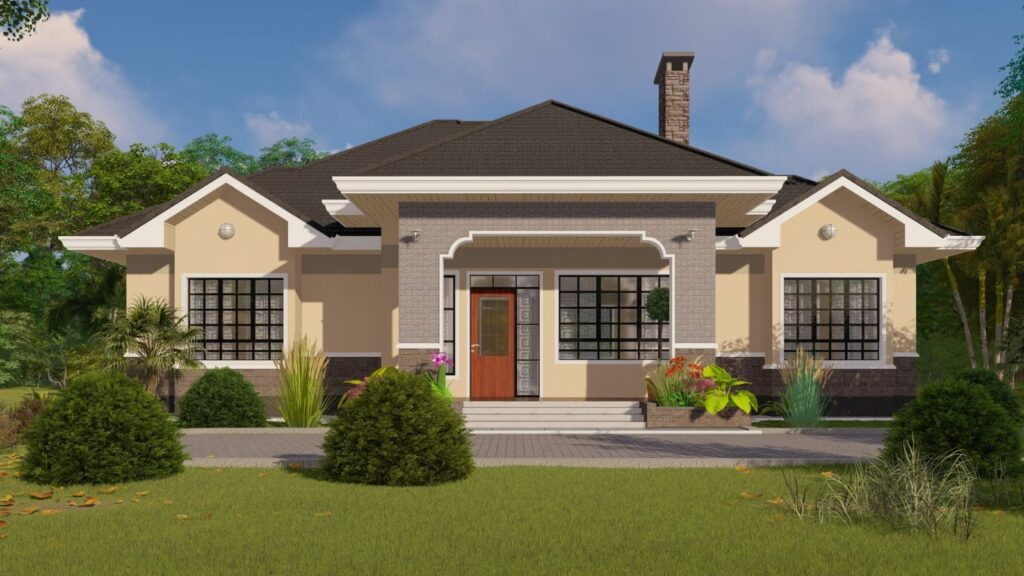
Under a Design and Build arrangement, a single contractor provides both the design and the construction under one contract. That contractor coordinates the architect, the structural engineer, the quantity surveyor, the approvals process and the site team. You, the client, deal with one point of contact and hold one party accountable for cost, quality and time.
In the traditional route, often called design–bid–build, you appoint the consultants first, they complete the drawings and Bills of Quantities, and only then is a contractor brought in, usually through quotations or a tender. The designers and the builder work under separate agreements, and you sit in the middle.
Design and Build vs the Traditional Route
| Factor | Design and Build | Traditional route |
|---|---|---|
| Who you deal with | One company | Architect, engineer, QS and contractor separately |
| Accountability | Single point of responsibility | Split between several parties |
| Speed | Design, costing and approvals overlap | Each stage waits for the one before it |
| Cost control | Design is priced as it is drawn | Costs are often discovered after design is finished |
| Disputes | Fewer interfaces, fewer disputes | Designer–builder disagreements are common |
| Client involvement | Decisions at key milestones | Constant coordination by the client |
How the Design and Build Process Works
At West Kenya Real Estate Ltd, every Design and Build project follows the same clear sequence:
- Consultation. We discuss your plot, your budget, the number of rooms you need and how you intend to use the building, whether as a family home, rental units or business premises.
- Agreement and deposit. We agree the design fee and scope, and a deposit starts the design work.
- Architectural design. An architect prepares concept sketches, then detailed floor plans, elevations and sections, revised with you until you are satisfied.
- Structural design. A structural engineer designs the foundations, columns, beams and slabs so the building is safe and economical for your soil and site.
- Bills of Quantities. Where required, a quantity surveyor measures every element of the work so the construction cost is known in detail before a single block is laid.
- Approvals. We submit the drawings for county building approval and, where the project requires it, register with the National Construction Authority (NCA) and obtain NEMA clearance.
- Contract and construction. We sign a construction contract based on the agreed estimate, mobilise the site team and build in stages, with regular progress reports.
- Handover and support. Final inspection, snag list, handover of documents and keys, and support during the defects period.
Because the same team that draws the house also prices and builds it, the design is shaped by real costs from day one. You do not end up with beautiful drawings that you cannot afford to build.
What Does It Cost to Build in Kenya?
Construction costs are usually quoted per square metre of built-up area. Indicative 2025 rates published by Integrum give a useful starting point:
| Building type | Nairobi (KSh/m²) | Western & Nyanza (KSh/m²) |
|---|---|---|
| Standard bungalow | 54,730 | 57,080 |
| Middle-class maisonette | 61,070 | 69,240 |
| Luxurious bungalow | 71,700 | 87,900 |
| Standard low-rise apartment block | 61,610 | 66,510 |
As an example, a standard three-bedroom bungalow of about 120 square metres would cost roughly KSh 6.6 million in Nairobi and about KSh 6.8 million in Kisumu and the wider Western and Nyanza region, at these rates. Your actual figure depends on your finishes, the soil conditions, access to the site and the design itself. That is exactly why a detailed Bill of Quantities matters. For more detail, see our guide to cost per square metre in Kenya.
Looking for a design of this size? See our Modern 3 Bedroom Bungalow House Plan with Master Ensuite and DSQ, a ready-made plan we can adapt to your plot and build for you.
Where Design and Build Saves You Money
- Design to budget. The quantity surveyor checks costs while the architect is still drawing, so expensive features are flagged before they are fixed in the plans.
- Fewer variations. Variations, the changes made during construction, are the main reason Kenyan projects go over budget. When the designer and builder are one team, most clashes are resolved on paper rather than on site.
- Shorter timelines. Approvals, costing and procurement can start while detailed design is being finalised. Every month saved is a month of rent earned sooner or rent saved.
- Better material buying. An established contractor buys cement, steel and finishes from regular suppliers and plans deliveries, reducing waste and theft on site.
- Controlled labour. Experienced foremen decide how many fundis and casuals each stage needs each day, so you are not paying for idle workers.
When Is Design and Build the Right Choice?
Design and Build suits most residential and small commercial projects in Kenya, and it is especially valuable if:
- You live in the diaspora or another town and cannot supervise the site yourself.
- You are building rental units and need predictable costs and a firm completion date. Our affordable rental apartment plans are a good place to start.
- You are a church, school, SACCO or institution with a committee that needs one accountable partner and clear reporting.
- You have a fixed budget and want the design to fit it, not the other way round.
The traditional route may still suit a very large or highly specialised project where the owner has an in-house technical team and wants to appoint each consultant independently.
How to Choose a Design and Build Contractor
- Check NCA registration. Ask for the contractor’s NCA category and confirm it covers the value of your project.
- Ask who the professionals are. The architect, engineer and quantity surveyor should be qualified and registered with their professional boards.
- Visit completed projects. Photographs are good; standing inside a finished building and speaking to the owner is better.
- Insist on a written contract. It should state the scope, price, payment milestones, completion date and defects liability period.
- Agree how you will be updated. Weekly photographs, progress reports and site meetings should be agreed before work starts.
Build With West Kenya Real Estate Ltd
Since 2014, West Kenya Real Estate Ltd has helped clients in Kisumu, Nairobi and across Western Kenya turn plots into homes, rental blocks and institutional buildings. We are NCA registered and provide architectural design, structural engineering, Bills of Quantities, approvals, construction and property valuation under one roof.
Already have a plan in mind? Browse ready-made designs at our house plans shop, or tell us about your project and we will guide you from concept to handover.
Call or WhatsApp: 0724 481 087 or 0789 217 685.