Best House Designs in Kenya and Their Costs
Explore the best house designs in Kenya and their 2025 costs. Get updated price estimates, popular house types, design styles, budgeting tips, and expert advice to plan your dream home.
Overview of House Construction Costs in Kenya (2025)
Factors Affecting Construction Costs (materials, labour, location)
Best House Designs in Kenya and Their Costs
The cost of building a house in Kenya in 2025 is influenced by several important factors. First, the choice of materials—whether you use local blocks, imported cement, or premium finishes—can significantly raise or lower your budget. Labour costs also vary widely depending on the skill level of the workers and the region where you are building. Additionally, location impacts construction expenses because urban areas have higher transport costs, stricter building regulations, and more expensive permits compared to rural regions.
Cost per Square Metre for Different House Types (low-end to luxury)
Estimating construction costs per square metre helps homeowners plan their budgets accurately. For low-end homes, the cost per square metre generally ranges from KES 30,000 to KES 50,000, making them affordable for first-time homeowners. Mid-range homes, which include better finishes and larger designs, usually cost between KES 50,000 and KES 80,000 per square metre. Luxury homes, often with high-quality materials, modern layouts, and additional features like landscaped gardens or custom interiors, can exceed KES 100,000 per square metre.
Regional Cost Differences: Urban vs Rural
Construction costs differ significantly between urban and rural areas in Kenya. In major cities such as Nairobi, Mombasa, and Kisumu, labour charges are higher, and materials are more expensive due to demand and transport costs. Rural areas offer lower labour rates and cheaper land, but transporting materials to remote sites can add to the total expense. Understanding these regional cost variations is crucial for accurate budgeting and ensuring that your home build stays within your financial plan.
Popular House Designs in Kenya
Bungalows (1–3 Bedrooms) — Affordable & Efficient
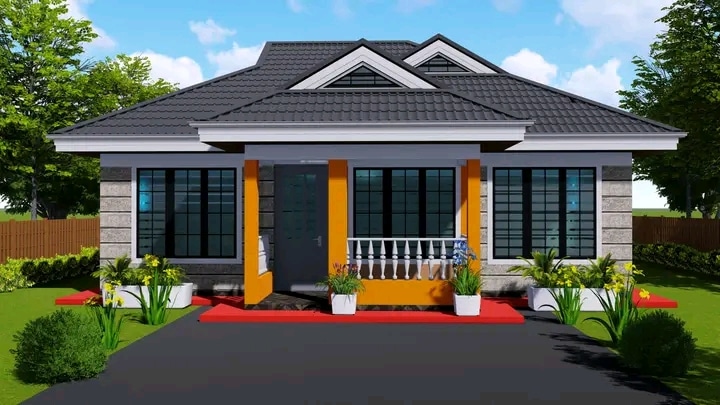
Bungalows are one of the most popular house designs in Kenya because they are simple, affordable, and easy to construct. A 2-bedroom bungalow generally costs between KES 2–4 million, depending on the quality of materials and finishes. These homes are ideal for small families or first-time homeowners who want a practical layout without unnecessary complexity. Additionally, bungalows offer flexibility for future extensions or renovations, making them a long-term cost-efficient choice.
Maisonettes (Double-Storey Homes) — Space for Growing Families
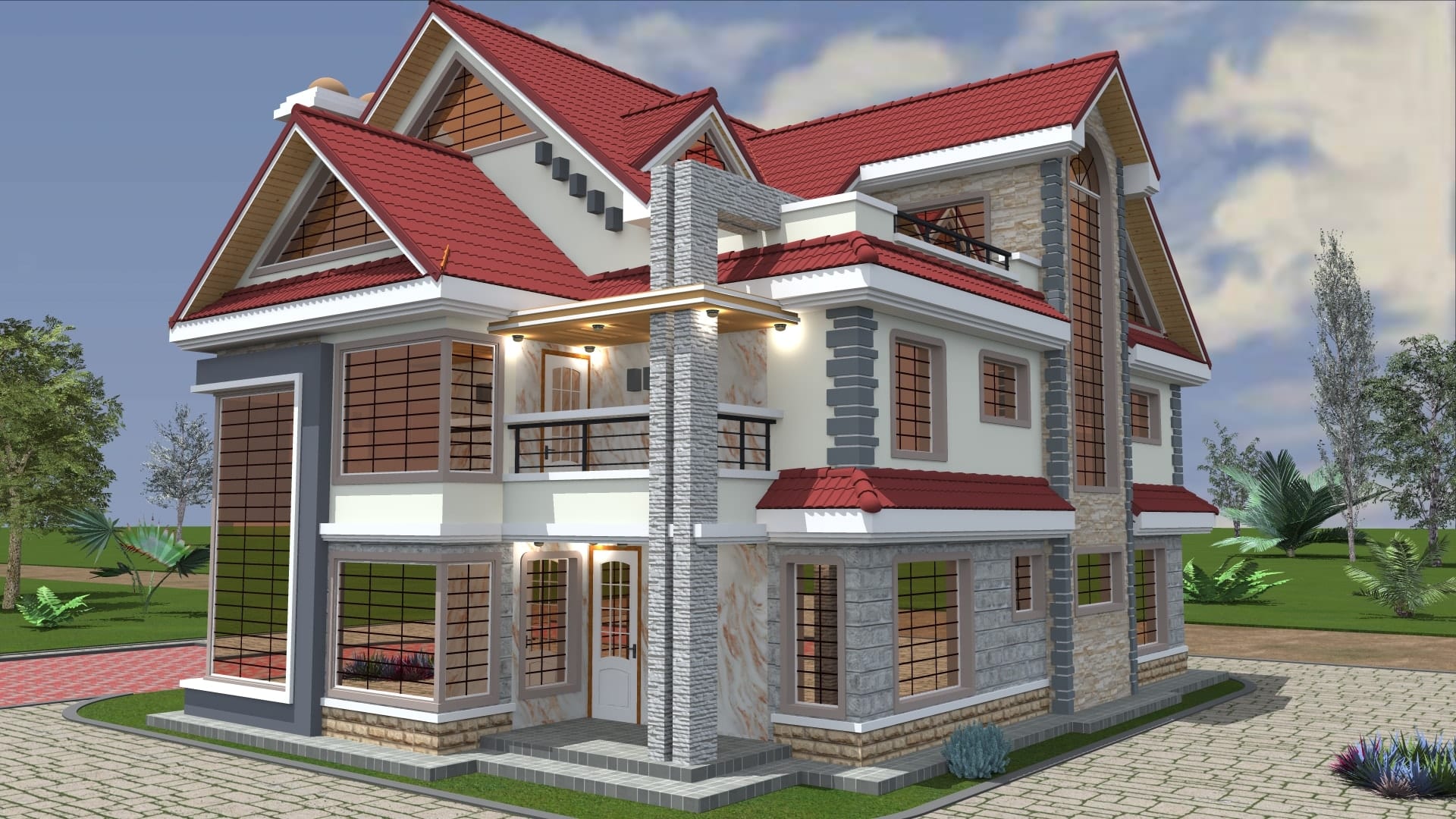
Maisonettes provide a double-storey layout, which is ideal for growing families that need more bedrooms and living space. A 3-bedroom maisonette typically costs between KES 5–8 million, depending on location and material quality. These homes make better use of land, allowing space for a garden, parking, or outdoor entertainment areas. Maisonettes also allow homeowners to enjoy a modern layout while keeping construction costs lower than building a large single-storey house with the same floor area.
4-Bedroom and Larger Family Homes — Comfort & Style
4-bedroom homes are ideal for larger families seeking comfort and functional spaces. These houses usually include multiple bathrooms, a living room, dining area, and sometimes an additional study or home office. Building costs for a 4-bedroom house in Kenya range from KES 8–12 million depending on finishes, design complexity, and location. Homeowners benefit from a balanced investment because these homes offer both sufficient space and aesthetic appeal without being excessively expensive.
Luxury & Premium Designs — Modern Architecture & Custom Finishes
Luxury homes in Kenya combine modern architecture, high-quality materials, and bespoke finishes to create a premium living experience. They often feature open-plan layouts, spacious bedrooms with en-suite bathrooms, designer kitchens, and landscaped gardens. The cost of building a luxury home can exceed KES 20 million depending on the size, materials, and additional features like smart home technology or swimming pools. Careful planning and budgeting are essential when constructing such homes to avoid overspending and ensure a high return on investment.
Modern House Styles Trending in Kenya (2025)
Contemporary & Minimalist Designs
Contemporary and minimalist house designs are becoming increasingly popular in Kenya due to their sleek appearance and efficient use of space. These designs focus on clean lines, open-plan layouts, and the use of modern materials like glass, steel, and polished concrete. Minimalist homes often require less maintenance and can be more cost-effective while still offering a stylish look. Homeowners are choosing these designs to achieve a modern aesthetic without unnecessarily increasing building costs.
Sustainable / Eco-Friendly Designs
Sustainable and eco-friendly house designs are gaining traction among environmentally conscious homeowners in Kenya. These homes use energy-efficient materials, rainwater harvesting systems, solar panels, and proper ventilation to reduce utility costs. Incorporating sustainable practices can also increase a property’s long-term value while lowering monthly expenses. Eco-friendly designs are not only modern but also practical for reducing your environmental footprint.
Traditional & Simple Layouts
Traditional and simple layouts remain a popular choice for homeowners who want cost-effective and functional homes. These houses usually feature rectangular or square floor plans, basic finishes, and fewer decorative elements. They are easier and faster to construct, making them ideal for budget-conscious families. Despite their simplicity, traditional designs can be customised with modern touches to suit contemporary tastes.
Detailed Cost Estimates for Each House Type
Small / Low-Cost Bungalows (1–2 Bedrooms)
Small bungalows with 1–2 bedrooms are the most affordable house types in Kenya. Depending on materials, location, and finishes, these houses typically cost between KES 2–4 million. They are ideal for first-time homeowners or small families and can be constructed quickly with minimal complexity. Even with a lower budget, careful planning can create a comfortable and functional living space.
Standard 3-Bedroom Bungalows
A standard 3-bedroom bungalow is a practical choice for medium-sized families. Construction costs for these homes range from KES 5–7 million, depending on the quality of materials and finishes. These houses typically include a living room, dining area, two or more bathrooms, and enough outdoor space for small gardens or parking. They offer a good balance between cost, space, and modern amenities.
4-Bedroom Maisonettes and Larger Family Homes
4-bedroom maisonettes and larger homes are designed to accommodate bigger families with multiple living spaces and extra facilities. Building costs usually range from KES 8–12 million, depending on location, finishes, and complexity of the design. These homes often include multiple bathrooms, spacious kitchens, living and dining areas, and sometimes a study or home office. They are a good long-term investment for families who want space, comfort, and a modern layout.
Luxury / High-End Homes
Luxury and high-end homes in Kenya are designed for homeowners seeking premium finishes, large spaces, and modern architectural features. Costs can exceed KES 20 million depending on size, location, and special features such as swimming pools, landscaped gardens, or smart home technology. These houses often include multiple bedrooms with en-suite bathrooms, open-plan living areas, designer kitchens, and high-quality fixtures. Proper budgeting and careful planning are essential to avoid overspending while achieving a high-end finish.
Materials, Finishes & Their Impact on Cost
Local vs Imported Materials
The choice between local and imported building materials has a significant impact on the total construction cost in Kenya. Local materials such as cement, sand, and timber are usually more affordable and easier to source, reducing transport expenses. Imported materials, including tiles, fixtures, and premium finishes, tend to be more expensive but can improve the home’s aesthetics and durability. Homeowners often balance cost and quality by using a mix of local and imported materials to optimise their budget.
Roofing Options (mabati, tiles, concrete slab)
Roofing is one of the most important elements affecting both the cost and longevity of a house. In Kenya, popular roofing options include mabati sheets, clay or concrete tiles, and reinforced concrete slabs. Mabati is cheaper and faster to install, while tiles and concrete slabs are more durable and offer better insulation but increase construction costs. Choosing the right roofing depends on your budget, climate, and the desired style of the home.
Flooring & Fixtures
Flooring and fixtures also play a major role in the overall cost of building a house. Options range from budget-friendly ceramic tiles to high-end marble or wooden floors. Fixtures such as sinks, taps, and lighting can further increase expenses, especially when using imported brands. Selecting durable yet cost-effective materials can significantly reduce building costs while maintaining a stylish and functional home.
Professional Fees & Design Considerations
Architect & Structural Engineer Costs
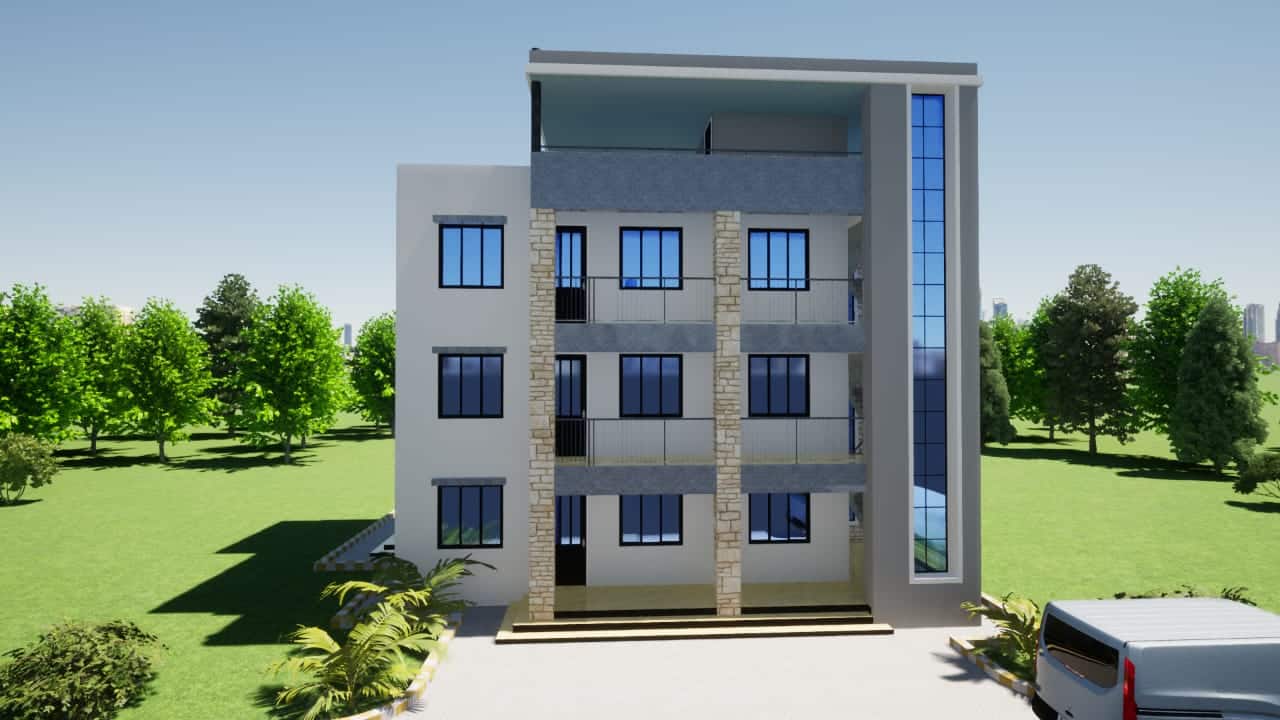
Professional fees are a necessary part of any house construction project in Kenya. Hiring an architect ensures that your house design is functional, aesthetically pleasing, and compliant with regulations. Structural engineers verify that the building is safe and durable. Fees for these professionals typically range between 5–10% of the total construction cost, but their expertise can prevent costly mistakes and reworks.
Interior Design & Landscaping
Interior design and landscaping enhance the beauty and functionality of a home but add to the overall cost. Interior designers can create customised layouts, select finishes, and recommend furniture arrangements that maximise space. Landscaping may include gardens, lawns, driveways, or decorative features that increase curb appeal. Homeowners can prioritise certain areas to balance style and budget efficiently.
Approvals, Permits, and Compliance
Before starting construction, homeowners must obtain the necessary approvals and permits from local authorities in Kenya. These include building permits, environmental approvals, and compliance with local building codes. Failing to secure proper documentation can lead to fines, delays, or even demolition. Including these costs in your budget ensures a smooth and legally compliant construction process.
Site Preparation & Foundation Factors
Soil Type & Terrain Impact
The type of soil and the terrain of your building site directly influence construction costs. Rocky or unstable soil may require additional excavation, stronger foundations, or soil treatment, increasing expenses. Flat terrain is usually cheaper to build on, while sloped areas may require retaining walls or special drainage systems. Understanding your site conditions early helps you plan an appropriate foundation design and avoid unexpected costs.
Excavation, Grading, and Drainage Considerations
Proper site preparation includes excavation, grading, and drainage planning to ensure a stable and safe foundation. Excavation involves removing topsoil or rock, while grading levels the ground for construction. Drainage systems prevent water accumulation around the foundation, which can cause long-term structural issues. Investing in thorough site preparation is essential for durability and cost savings in the long run.
How to Budget Your House Build in Kenya
Estimating Total Costs Using Cost per Square Metre
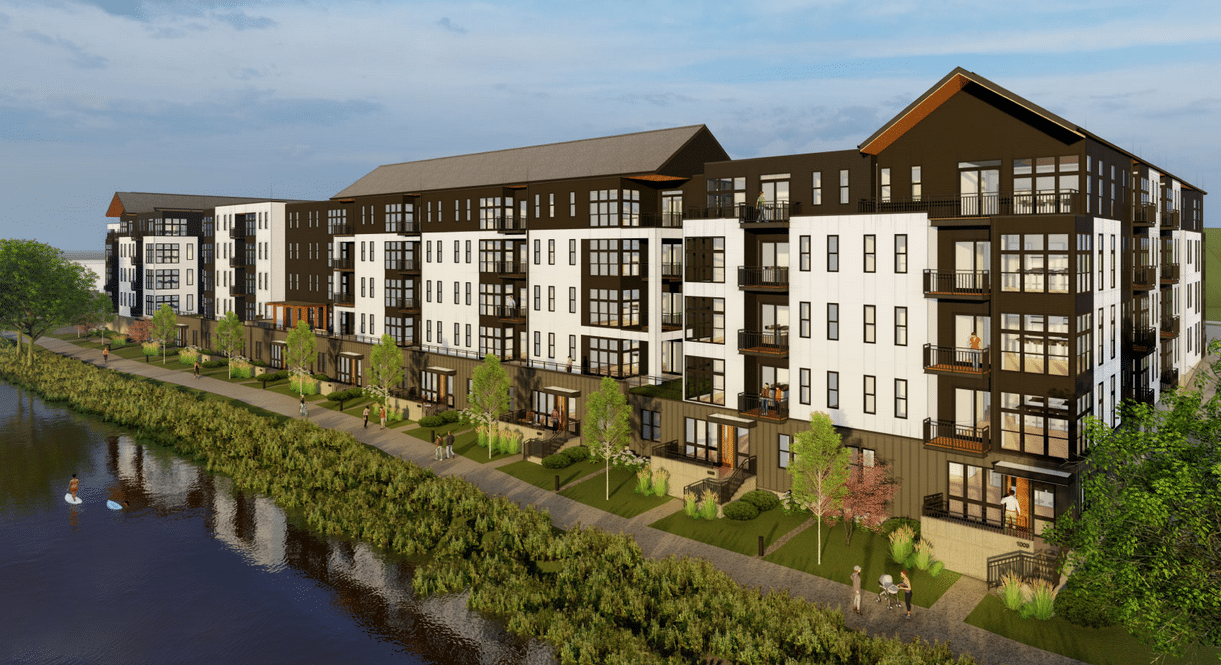
One of the most reliable ways to budget your house build in Kenya is by using the cost per square metre. By multiplying the estimated cost per m² by the total floor area, homeowners can get a realistic idea of total construction expenses. Remember to include additional costs like professional fees, permits, and interior finishes in your estimate. This method allows for better planning and avoids unexpected financial surprises during construction.
Phased Construction Approach (Start Small, Expand Later)
Building your house in phases is a practical strategy to manage costs over time. You can start with essential rooms such as bedrooms, a living area, and kitchen, and expand later when funds allow. Phased construction helps spread out expenses, reduces upfront financing needs, and allows homeowners to adjust design elements as the family grows. This approach is particularly popular for low to mid-budget house projects in Kenya.
Tips for Balancing Quality and Cost
Balancing quality and cost is crucial for achieving a durable yet affordable home. Prioritise spending on structural elements like foundations, roofing, and walls, while opting for cost-effective finishes where possible. Using a mix of local and imported materials, comparing contractor quotes, and planning the layout efficiently can reduce expenses without compromising the home’s quality. Careful planning ensures that you get value for every shilling spent.
Financing Your Home Build in Kenya
Bank Loans, SACCOs, and Mortgages
Financing a home build in Kenya can be done through various channels including bank loans, SACCOs, and mortgages. Banks usually offer loans based on property valuation and your repayment ability, while SACCOs may provide lower interest rates and flexible repayment plans. Mortgages can also be used to purchase land or fund construction in stages. Understanding the available financing options helps homeowners plan their budget and avoid cash flow problems.
Cost-Saving Strategies (Self-Build, Material Sourcing)
Cost-saving strategies can significantly reduce the overall expense of building a house. Self-build projects allow homeowners to directly manage labour and materials, saving on contractor fees. Sourcing materials directly from suppliers or using bulk purchases can lower costs further. Additionally, reusing or recycling materials where appropriate can also contribute to a more affordable build without sacrificing quality.
Real-Life Sample Cost Scenarios (2025)
Budget 2-Bedroom House Example
A small 2-bedroom house in Kenya can cost between KES 2–4 million depending on location and material choices. Typically, this house includes a living room, one bathroom, and a compact kitchen. Using local materials and basic finishes helps keep costs low while providing a comfortable and functional home for a small family or first-time homeowner.
Mid-Range 3-Bedroom Example
A mid-range 3-bedroom bungalow usually costs between KES 5–7 million. These homes often include a living room, dining area, two bathrooms, and a modest garden or parking space. Homeowners can achieve a balance of quality and affordability by combining mid-tier materials with smart design layouts that maximise usable space.
Luxury 4-Bedroom Maisonette Example
Luxury 4-bedroom maisonettes in Kenya are typically priced above KES 20 million, depending on the finishes and additional features. These homes often feature multiple en-suite bedrooms, open-plan living areas, designer kitchens, and landscaped outdoor spaces. Careful budgeting and planning are essential for luxury builds to ensure that homeowners get the desired quality without overspending.
Building vs Buying a House in Kenya (2025)
Advantages of Building Your Own Home
Building your own home in Kenya allows complete control over design, layout, and materials. Homeowners can customise the house to suit family needs, choose finishes, and incorporate modern or sustainable features. Constructing a home also gives flexibility to build in phases, which helps manage costs over time. Additionally, building ensures that you fully understand the quality of materials and workmanship used.
When Buying is More Practical
Buying an existing home may be more practical for those who want immediate occupancy or lack the time to oversee construction. It can also be a better option in areas with limited access to construction materials or reliable contractors. Pre-built homes may already include modern amenities, landscaping, and security features, which can save both time and effort. Comparing prices and locations helps determine whether buying is financially smarter than building.
Key Considerations: Land, Approvals, and Time
Whether building or buying, homeowners must consider the cost and availability of land, the time required to complete construction, and all necessary approvals. Land costs vary widely depending on location, size, and accessibility. Building requires proper permits and compliance with local building regulations, which can affect the project timeline. Understanding these factors helps make an informed decision and prevents unexpected delays or expenses.
Tips to Avoid Hidden Costs and Scams
Choosing Reliable Contractors
Hiring trustworthy and experienced contractors is essential to avoid hidden costs and poor workmanship. Always check references, past projects, and verify credentials before committing. Clear contracts outlining work scope, payment schedules, and timelines reduce misunderstandings and unexpected charges. Reliable contractors ensure quality construction and protect your investment.
Ensuring Proper Approvals and Legal Documents
Ensuring all legal approvals and documents are in place is crucial to avoid scams and fines. Verify land ownership, title deeds, and approvals from local authorities such as the County Government and National Construction Authority (NCA). Keep written records of agreements, receipts, and permits to safeguard your property. Proper legal compliance protects your investment and ensures a smooth building or buying process.

Conclusion & Recommendations for Homeowners
Building or buying a house in Kenya in 2025 requires careful planning, budgeting, and informed decision-making. Construction costs vary depending on house design, materials, location, and professional fees. Popular designs include bungalows, maisonettes, and luxury homes, each with different cost ranges and benefits. By understanding the impact of materials, finishes, approvals, and financing options, homeowners can make smart decisions that balance cost, quality, and functionality.
Careful budgeting, phased construction, and choosing the right contractors are key to avoiding unnecessary expenses. Whether you opt for a low-cost bungalow or a luxury maisonette, proper planning ensures your dream home becomes a reality within budget.