Discover the top emerging real estate investment areas in Kenya for 2025, including Konza, Tatu City, Nakuru, and coastal regions. Learn where to invest for high rental yields, capital growth, and smart property strategies.
Introduction
Top Emerging Real Estate Investment Areas in Kenya
The year 2025 presents a unique window of opportunity for real estate investors in Kenya. With rapid urbanisation, expanding infrastructure projects, and an increasing population, the demand for residential, commercial, and mixed-use properties is growing fast. Understanding emerging real estate investment areas in Kenya for 2025 can help investors position themselves for long-term capital growth and attractive rental yields.
Several market drivers are shaping this trend:
- Large-scale infrastructure projects like new highways and commuter rail expansions
- Government-backed housing programs and special economic zones (SEZs)
- Rising rental demand in urban and peri-urban areas
By focusing on areas that combine high growth potential with strong demand, investors can make informed transactional decisions and maximise returns.
How to Identify Emerging Real Estate Investment Areas
Market indicators investors should track
Identifying high-potential areas requires careful monitoring of market indicators such as population growth, new residential projects, and commercial developments. Investors should look for towns or suburbs experiencing rapid urban expansion, as these areas typically offer higher capital appreciation. Tracking trends in housing permits, infrastructure investments, and local business growth helps in predicting which neighbourhoods will become hot investment zones.
Infrastructure and connectivity as growth catalysts
Infrastructure development directly influences property value. Areas located near major highways, railway stations, and transport hubs often appreciate faster than those without connectivity. Investors should also consider planned projects such as new roads, airport expansions, and public transit systems, as these improvements make properties more attractive to both residents and businesses. Properties near these developments tend to offer higher rental yields and strong long-term returns.
Demand vs supply analysis
Evaluating the balance between property demand and supply is critical before investing. Areas with limited housing supply but high tenant or buyer demand tend to experience rapid price appreciation. Investors can assess demand by reviewing rental vacancy rates, population growth data, and ongoing construction projects. This analysis ensures that funds are allocated to regions with real growth potential rather than oversaturated markets.

Key Factors Influencing Property Value in Emerging Areas
Proximity to highways, transport hubs, and SGR lines
Properties located close to major transport corridors, such as highways and SGR stations, consistently show higher capital growth. Easy access to transport reduces commuting time for residents and attracts commercial interest for offices and retail spaces. Strategic investment in these areas allows investors to benefit from both appreciation and strong rental demand.
Local amenities – schools, hospitals, shopping centers
Neighborhoods with quality local amenities are always more attractive to tenants and homebuyers. Proximity to schools, hospitals, shopping centers, and recreational facilities enhances both rental income and resale value. Investors should identify areas where new amenities are planned or under construction, as early investment can yield significant long-term returns.
Government planning & zoning regulations
Understanding county zoning laws and government development plans is essential for secure property investment. Areas designated for mixed-use developments, commercial hubs, or industrial growth often deliver higher returns. Checking building permits, zoning restrictions, and development approvals helps investors avoid legal pitfalls while targeting high-potential neighborhoods.
Top Emerging Investment Areas Near Nairobi
Tatu City & Ruiru Corridor – suburban growth and mixed-use projects
Tatu City and the Ruiru Corridor have emerged as some of the most attractive real estate investment areas in Kenya for 2025. These regions are experiencing rapid suburban expansion, driven by mixed-use developments that combine residential, commercial, and industrial zones. Investors can benefit from early-stage residential plots, townhouses, and commercial spaces that promise both high rental yields and capital appreciation.
Juja & Thika – affordable investment options with university demand
Juja and Thika offer affordable property investment options for those looking to maximise ROI without the premium costs of Nairobi. The presence of universities, industrial parks, and growing commercial hubs ensures a steady rental market. Properties in these towns are ideal for both long-term rental income and land banking, as demand is expected to rise alongside urban expansion.
Syokimau, Mlolongo & Athi River – transport corridor advantages
These areas benefit from proximity to key transport corridors such as the Nairobi Expressway and Standard Gauge Railway (SGR). Easy connectivity to Nairobi city center and industrial zones makes Syokimau, Mlolongo, and Athi River highly attractive for residential and commercial investments. Early investors can secure properties near transport hubs that will likely appreciate faster than areas further from major routes.

Konza Technopolis – Kenya’s Silicon Savannah
Investment opportunities in smart city developments
Konza Technopolis, branded as Kenya’s Silicon Savannah, offers premium investment opportunities in a smart city environment. The city is designed for technology firms, mixed-use developments, and high-end residential estates. Investors can capitalise on early-stage developments to secure plots or commercial properties that are projected to grow significantly as the city develops.
Long-term capital appreciation and SEZ benefits
Properties in Konza Technopolis benefit from government-backed incentives, including its status as a Special Economic Zone (SEZ). This designation encourages industrial, commercial, and residential growth, ensuring long-term property appreciation. Investors who enter early stand to gain from both high capital growth and potential tax benefits.
Rental and commercial property potential
With tech firms, government offices, and commercial centers planned within Konza, rental demand is expected to increase steadily. Residential estates, serviced apartments, and commercial offices present opportunities for both short-term rental income and long-term investment returns. Investors focusing on mixed-use properties can diversify their portfolios and reduce risk.
Rift Valley Growth Belt – Nakuru & Naivasha
Urban expansion and industrial linkage
Nakuru and Naivasha are part of Kenya’s Rift Valley Growth Belt, an area experiencing rapid urbanisation. Industrial parks, commercial centers, and residential estates are expanding to meet rising demand. Investors can take advantage of new subdivisions and industrial-linked properties that promise both rental yield and capital appreciation.
SGR and highway connectivity driving property value
The expansion of the Standard Gauge Railway (SGR) and nearby highways enhances property accessibility in Nakuru and Naivasha. Areas close to transport hubs tend to appreciate faster and attract higher rental demand from residents and businesses. Investing near these corridors ensures liquidity and higher returns.
Emerging residential and commercial hotspots
Several neighbourhoods in Nakuru and Naivasha are rapidly emerging as profitable residential and commercial hotspots. Properties near schools, industrial zones, and shopping centers are especially appealing for investors seeking sustainable rental income and capital growth. Early investment in these areas offers the advantage of entering before prices escalate.
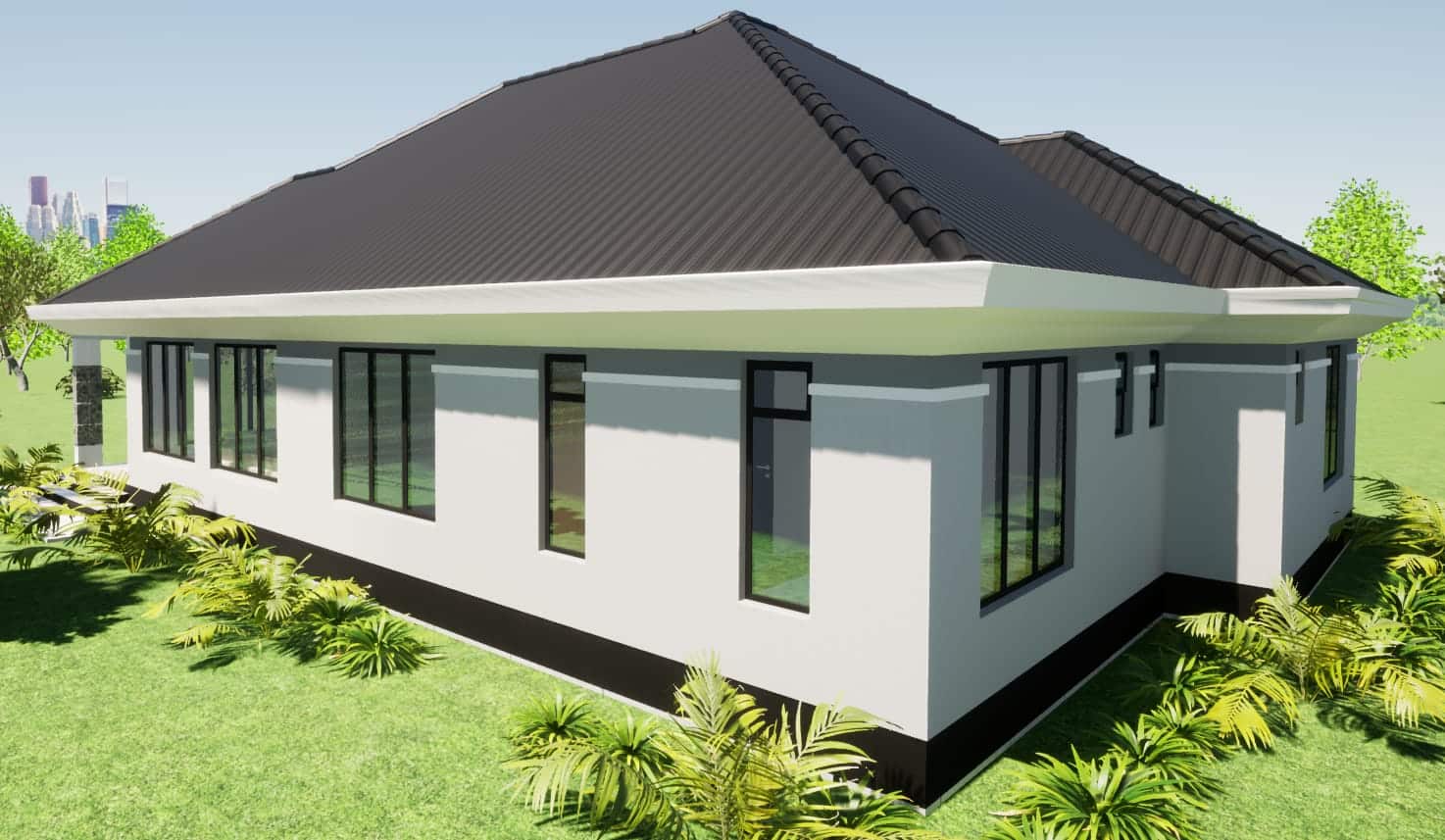
Coastal Investment Hotspots – Mombasa, Diani, Kilifi & Malindi
Tourism-linked property demand and high rental yields
The Kenyan coast, including Mombasa, Diani, Kilifi, and Malindi, remains one of the most attractive emerging real estate investment areas in Kenya for 2025 due to strong tourism demand. Properties such as holiday homes, serviced apartments, and short-term rental villas consistently attract tourists from both local and international markets. Investors can achieve high rental yields, particularly during peak holiday seasons, while benefiting from a steady year-round demand in key towns and resort areas.
Waterfront developments and long-term appreciation
Waterfront properties along the Kenyan coast offer both immediate rental potential and long-term capital growth. Limited availability of prime beachfront land ensures that well-positioned properties tend to appreciate faster than inland developments. Investors targeting villas, apartments, or mixed-use developments in coastal towns can expect substantial long-term returns while diversifying their real estate portfolios.
Strategic coastal infrastructure projects
Recent government and private sector initiatives, such as port expansions, highway upgrades, and new resort developments, are significantly enhancing property values along the coast. Areas that benefit from improved roads, reliable electricity, and water supply see higher property appreciation. Early investors who monitor and purchase in regions with planned infrastructure developments can secure premium returns before property prices escalate.
Property Types with High ROI in Emerging Areas
Land banking opportunities and long-term capital gains
Land banking remains a key strategy for investors in emerging real estate markets. Purchasing undeveloped land in strategic locations allows investors to benefit from significant long-term capital appreciation as the surrounding area develops. The most profitable land banking occurs in regions with upcoming infrastructure projects, urban expansion, or government-backed initiatives, which tend to increase demand and property values over time.
Residential plots and apartments for rental yield
Residential properties, including plots, apartments, and townhouses, are consistently popular for generating rental income while providing capital growth. Investors should prioritise areas with high tenant demand, such as neighbourhoods near universities, commercial hubs, and industrial zones. Well-located residential investments not only achieve faster occupancy rates but also provide steady monthly rental returns and long-term asset appreciation.
Commercial and mixed-use developments
Commercial and mixed-use developments, including office spaces, retail outlets, and integrated residential-commercial estates, often provide higher ROI than purely residential investments. These properties are particularly profitable in emerging areas near transport corridors, industrial hubs, and urban centers. Investors benefit from diversified income streams by combining rental revenue from commercial tenants with residential leasing, reducing risks while maximising overall returns.

Investment Risks and Due Diligence
Legal checks for land ownership
Before investing in any of the emerging real estate investment areas in Kenya for 2025, conducting thorough legal checks is crucial. Investors must verify land ownership documents, confirm that the title deed is genuine, and ensure there are no disputes or encumbrances on the property. Engaging a qualified lawyer or licensed conveyancer can help prevent legal issues that could delay or jeopardize your investment.
Market volatility, interest rates, and economic conditions
Real estate investment carries inherent market risks. Property values and rental yields can be affected by interest rate changes, inflation, and broader economic conditions. Investors should track macroeconomic indicators, local property market trends, and government policies to make informed decisions. Diversifying across locations and property types can help mitigate risks associated with market volatility.
How to avoid common pitfalls in emerging markets
Investors often encounter common challenges in emerging areas, such as unplanned settlements, unclear zoning, or infrastructure delays. To avoid these pitfalls, it is important to:
- Verify local development plans and permits
- Consult with property experts and real estate agents
- Visit the site to confirm accessibility and amenities
Taking these steps ensures a safer investment with higher chances of long-term returns.
Financing and Transaction Strategies
Mortgages, developer financing, and installment plans
Financing property in emerging areas requires understanding available options. Mortgages, developer financing, and installment plans are commonly used by investors to acquire plots or apartments. Selecting the right financing method depends on interest rates, repayment terms, and the investor’s cash flow. Combining financing options strategically can make larger investments more accessible without overextending resources.
Pooling resources with partners or joining property syndicates allows investors to access larger, high-potential projects. Partnerships can reduce individual financial exposure and facilitate investments in premium locations. Investors must ensure clear agreements, defined roles, and exit strategies to avoid conflicts and ensure returns are distributed fairly.
Budgeting for taxes, legal fees, and registration
Proper budgeting is critical for a successful real estate investment. Costs such as stamp duty, legal fees, survey charges, and registration fees should be factored into the total investment. Accurate financial planning helps investors avoid unexpected expenses and ensures smoother transactions in emerging property markets.

Conclusion — Where to Invest in 2025
As 2025 unfolds, several emerging real estate investment areas in Kenya offer exceptional opportunities for both capital growth and rental income. Locations such as Tatu City, Ruiru Corridor, Juja, Thika, Konza Technopolis, Nakuru, Naivasha, and the coastal towns of Mombasa, Diani, Kilifi, and Malindi stand out due to infrastructure developments, urban expansion, and high rental demand.
To achieve the highest ROI, investors should:
- Focus on areas with strong transport links, upcoming infrastructure, and planned amenities
- Diversify investments across residential, commercial, and mixed-use properties
- Conduct thorough legal checks and due diligence before purchasing
Actionable next steps include visiting the shortlisted areas, analysing market trends, and engaging licensed real estate professionals to secure the best properties. By carefully selecting locations with growth potential and adopting strategic investment practices, investors can maximise returns while minimising risks.