A rental valuation in Kenya is a professional opinion of the rent a property can achieve on the open market today. Landlords often set rent by copying a neighbour or adding a round number to what they hoped to earn. The result is either units that stay empty for months because the rent is too high, or a building that quietly earns less than it should because the rent is too low.
This guide explains when you need a rental valuation, how valuers work out market rent, what pushes rent up or down, and how to use the figure. It builds on our main guide to property valuation in Kenya.
Not sure what rent your property should fetch? Request a rental valuation from our team: WhatsApp 0789 217 685
When do you need a rental valuation in Kenya?
- Letting a new building. Before you advertise new units, a rental valuation tells you what tenants in that area are actually paying for similar space.
- Planning a rental project. Expected rent drives every feasibility calculation. Getting it wrong at the start means the wrong unit mix or the wrong budget.
- Rent reviews. When a lease allows a review, an independent figure makes the discussion with tenants easier and fairer.
- Lease renewals for shops and offices. Commercial tenants and landlords often negotiate on market rent at renewal.
- Loans and refinancing. Lenders look at the income an investment property earns when deciding how much to lend.
- Buying an income property. Check that the rents the seller quotes are realistic before you pay a price based on them.
- Disputes and family arrangements, for example agreeing a fair rent when one family member occupies a shared property.
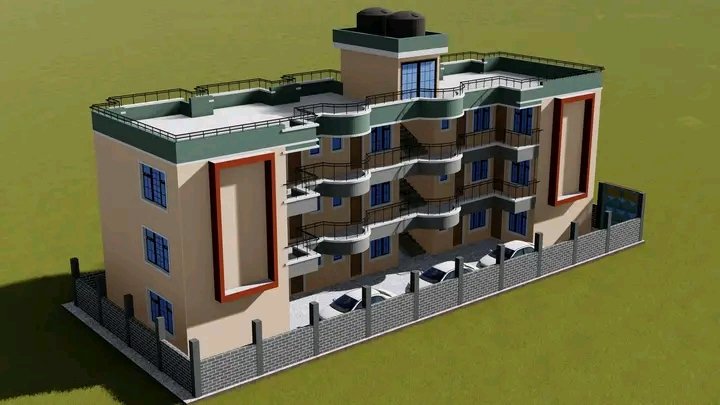
How valuers work out market rent
Valuation is one of the professional disciplines of surveying in Kenya, as the Institution of Surveyors of Kenya sets out. For residential rent, the main tool is the comparison method:
- Inspect the property. Size, layout, condition, finishes, water, power, parking, security and the state of common areas.
- Collect comparable rents. Actual rents for similar units nearby — from letting agents, property managers, landlords and recent leases — not just asking prices in adverts.
- Adjust for differences. A newer unit, reliable water, secure parking or a better floor justifies more; an older block, a poor access road or no parking justifies less.
- Check demand. How long similar units stay vacant tells the valuer whether the market can bear the figure.
- Report a market rent, with the evidence and assumptions behind it.
For shops, offices and whole buildings, the valuer may also look at the relationship between rent and capital value (the yield) and at the lease terms — length, review clauses, who pays service charge and repairs.
A simple illustration
The figures below are hypothetical and only show how the comparison method works; they are not market rents for any area.
| Comparable | Description | Rent per month (KSh) | Compared with your unit |
|---|---|---|---|
| A | 2-bedroom flat, 3 years old, parking | 22,000 | Similar |
| B | 2-bedroom flat, older block, no parking | 18,000 | Inferior |
| C | 2-bedroom flat, new, borehole and parking | 24,000 | Superior |
If your unit is three years old with parking but relies on county water only, it sits between A and C and above B, so the evidence points to a rent close to KSh 22,000. Setting KSh 26,000 would likely leave it vacant; setting KSh 18,000 gives away income every month.
Investors also test rent against value. As an illustration, a unit worth KSh 6,000,000 let at KSh 30,000 a month earns KSh 360,000 a year, a gross yield of 6.0% before vacancies, maintenance and other costs. Comparing yields across options shows whether the rent and price make sense together.
What pushes rent up or down
- Location and access: distance to town, employers, universities and public transport; the state of the access road.
- Water and power: reliable water (borehole or storage) and separate meters are strong selling points.
- Security: perimeter wall, gate, guard, lighting.
- Unit size and layout: usable space, natural light, an ensuite master bedroom, storage.
- Condition and finishes: fresh paint, sound tiles, working fittings.
- Parking and outdoor space, especially for family units.
- Management: well-run buildings with quick repairs keep tenants longer. Our guide to property management for rental owners covers this.
- Supply nearby: a wave of similar new units in the same street can hold rents down.
Rent reviews and inflation
Many leases tie reviews to a fixed percentage or to market rent. Inflation is one reference point: the Central Bank of Kenya reported inflation of 7.3% for October 2026. As an illustration, a KSh 20,000 rent raised by 7.3% becomes KSh 21,460. But inflation does not set rent — if comparable units are not achieving the higher figure, tenants will move. A rental valuation tests whether the market supports the increase.
Planning a new rental building? Start with rent
For new projects, expected rent should shape the design, not the other way round. If the area supports bedsitters and one-bedroom units, a plan such as our bedsitter house plans (WKRE038) may earn more than larger flats; where families dominate, rental apartment plans with 1 and 2 bedrooms can suit better. Our sister site’s guides to unit mix for rental apartments and the apartment feasibility study show how rent feeds into the numbers.
Mistakes landlords make when setting rent
- Pricing from the construction loan repayment instead of from the market.
- Using advertised asking rents as evidence, when actual agreed rents are often lower.
- Ignoring vacancy: a unit empty for three months at a high rent can earn less in the year than one let immediately at a fair rent.
- Raising rent on good tenants without checking the market, then losing them.
- Forgetting that rental income is taxable — check current rules with KRA or your tax adviser.
What to prepare for a rental valuation
- Location and title details of the property.
- Approved plans or a list of units with sizes.
- The current rent roll and lease terms, if the property is already let.
- Service charges and who pays for water, security and repairs.
- Recent improvements and any known defects.
Our valuations are carried out under licensed valuer Ken Otumba; registration details are available on request. We value property for lenders and institutions including Real People Kenya, Kanisa Sacco and Great Lakes University, as well as many individual property owners. If the valuation is for a loan, see also our guides to property valuation for a mortgage and market value vs forced sale value.
Need a rental valuation for your property?
Send us the property’s location, the type and number of units and the purpose of the valuation on WhatsApp. We will reply with the next steps, the documents we need and a quote.
Or call 0789 217 685 / 0724 481 087.