Land Ownership and Title Deeds in Kenya
Learn everything about land ownership in Kenya, from types of title deeds, the land registration process, legal requirements, to transfer procedures. Secure your land investment with our step-by-step guide.
Why Land Ownership Matters in Kenya
Importance of Securing Legal Land Ownership
Land Ownership and Title Deeds in Kenya
Securing legal land ownership ensures that your property rights are recognised by the government and protected under Kenyan law. Without proper documentation, property disputes can arise, leading to costly legal battles. Legal ownership also allows you to access financing options, such as bank loans or mortgages, since financial institutions require proof of ownership before offering credit. Investors benefit from legal ownership because it guarantees the security of their investment and reduces the risk of losing property due to unclear land titles. Proper legal ownership also protects heirs and family members by providing a recognised framework for inheritance.
Benefits of Having a Verified Title Deed
A verified title deed confirms that the land you own is legally registered and free from disputes. This verification increases the value of the property, making it easier to sell or lease in the future. Title deeds also provide proof of ownership when dealing with banks, government agencies, or potential buyers. Investors gain confidence knowing their land is legally recognised, while homeowners enjoy peace of mind. Additionally, verified title deeds prevent fraudulent transactions, such as someone selling the same property multiple times. For anyone looking to secure land in Kenya, having a verified title deed is an indispensable step in protecting your assets.
Risks of Buying Land Without a Title Deed
Buying land without a proper title deed carries significant risks. You may unknowingly purchase disputed land, face eviction, or encounter legal challenges from previous owners. Fraudulent sellers often take advantage of buyers who do not conduct proper verification or land searches. Additionally, without a title deed, you cannot obtain bank loans or government approvals for construction projects. To avoid these risks, always conduct thorough due diligence, hire qualified lawyers or surveyors, and ensure the land is registered under your name. Awareness and verification are key to preventing financial loss and protecting your investment.

Services Included in Land Transactions
Land Search and Verification Services
Conducting a land search and verification is the first critical step in any property transaction. This process confirms the authenticity of the title deed and ensures the land is free from disputes or encumbrances. A proper land search reveals ownership history, existing mortgages, or legal claims on the property. This verification protects buyers from fraudulent sellers and prevents costly legal disputes in the future. Land search services can be conducted manually at the local land registry or through digital platforms like ArdhiSasa. Always ensure that the search is thorough and documented for legal purposes.
Surveying and Land Measurement
Surveying and land measurement define the precise boundaries and size of a property. Accurate surveys prevent encroachment issues and provide legal documentation required during registration. Licensed surveyors use modern tools to map land, confirm boundary markers, and prepare survey plans. These plans are crucial when submitting documents to the land registry and for future construction projects. Additionally, surveys provide confidence to buyers that the property matches the advertised dimensions. Engaging a certified surveyor ensures compliance with county regulations and reduces future disputes.
Legal Assistance for Registration and Transfer
Legal assistance is essential when registering and transferring land ownership. Lawyers guide clients through the preparation of documents, verification of deeds, and compliance with land laws in Kenya. They also facilitate the payment of stamp duty, submission of documents to the registrar, and completion of transfer procedures. Engaging a lawyer ensures that your land purchase is legally binding and protects your investment from potential fraud or errors. For investors and homeowners, legal support is indispensable in navigating the complexities of land registration and transfer.
Keyword opportunities used: land search Kenya, land survey Kenya, land lawyer services
Cost Breakdown of Land Ownership in Kenya
Understanding the cost of land ownership in Kenya helps buyers and investors plan their finances accurately. Beyond the purchase price, several mandatory and optional costs arise during land acquisition and registration. These costs vary depending on location, land size, and legal requirements. Knowing each expense in advance reduces surprises and ensures a smooth ownership process.
Land Purchase Costs
Land purchase costs form the largest portion of the total investment. Prices vary widely depending on location, accessibility, zoning, and market demand. Urban and peri-urban areas generally attract higher prices compared to rural regions. Buyers should also consider whether the land is freehold or leasehold, as tenure affects long-term value. Negotiation, market research, and professional valuation help ensure you pay a fair price. Understanding these factors is essential when estimating the true cost of buying land in Kenya.
Stamp Duty and Registration Fees
Stamp duty and registration fees are mandatory government charges paid during land transfer. Stamp duty is calculated as a percentage of the land’s value, while registration fees cover official record updates. These costs must be settled before a title deed is issued in the buyer’s name. Failure to pay them delays ownership transfer and registration. Planning for these charges is crucial when budgeting for land registration fees in Kenya.
Lawyer and Surveyor Fees
Legal and surveying fees cover professional services required during land transactions. Lawyers handle due diligence, document preparation, and registration processes. Surveyors confirm boundaries and prepare official survey plans. While these fees vary, hiring licensed professionals reduces the risk of disputes and fraud. Their services provide peace of mind and protect your investment.
Other Hidden Costs (Title Deed Replacement, Verification)
Hidden costs often arise after purchase and during ownership. These may include title deed replacement, verification searches, or correction of registry errors. Buyers should also budget for administrative and follow-up expenses. Accounting for these costs ensures full financial preparedness and prevents delays in ownership confirmation.

Factors Influencing Land Ownership Costs
Location and Market Demand
Location plays a major role in determining land prices across Kenya. Areas near major towns, highways, and economic hubs attract higher demand and premium pricing. Infrastructure availability, security, and access to utilities also push prices upward. In contrast, remote areas tend to be more affordable but may require additional development costs. Market demand fluctuates based on population growth, zoning changes, and upcoming projects, all of which directly influence land value. Understanding location-based trends is essential when evaluating land price factors in Kenya.
Land Size and Type of Tenure
The size of the land significantly affects its cost, with larger parcels generally priced higher. However, the type of tenure also plays a critical role. Freehold land often commands higher value due to permanent ownership rights, while leasehold land may have renewal conditions and time limits. Buyers must consider future lease renewal costs and restrictions when evaluating long-term affordability. Understanding how land tenure influences cost helps buyers avoid financial strain later.
Legal Complications or Disputes
Legal issues can dramatically increase the cost of land ownership. Disputed boundaries, inheritance conflicts, or unclear ownership records often require legal intervention. These situations lead to additional lawyer fees, court costs, and prolonged delays. In severe cases, unresolved disputes may render land unusable or unsellable. Conducting thorough due diligence before purchase helps prevent these costly complications.
Legal & Regulatory Considerations
Land Laws in Kenya (Land Act, Registration Act, NLC Act)
Kenya land laws provide the foundation for land ownership, use, and transfer. The Land Act governs land management and administration, while the Land Registration Act regulates registration and issuance of title deeds. The National Land Commission Act outlines oversight and dispute resolution roles. Together, these laws ensure transparency, protect ownership rights, and prevent illegal land dealings. Understanding these laws helps buyers comply with legal procedures and avoid costly mistakes during transactions.
Role of the National Land Commission (NLC)
The National Land Commission plays a critical role in overseeing land administration in Kenya. It manages public land, investigates historical land injustices, and advises the government on land policy. The NLC also works with land registries to resolve disputes and improve transparency. For buyers and investors, the commission helps safeguard land rights and reduce fraudulent allocations. Knowing the role of NLC Kenya strengthens confidence in the land ownership process.
Rights and Restrictions on Land Ownership
Land ownership comes with specific rights and legal limitations. Owners have the right to use, develop, lease, or sell their land within zoning and environmental regulations. Restrictions may apply based on land use classification, easements, or government planning policies. Understanding these rights and limits prevents illegal developments and protects long-term land value.
Foreign Ownership Rules
Foreign land ownership in Kenya is regulated by law. Non-citizens are restricted to leasehold ownership, typically capped at 99 years. Certain land types, such as agricultural land, may have additional limitations. Understanding these rules helps foreign investors comply with legal requirements and avoid invalid transactions.
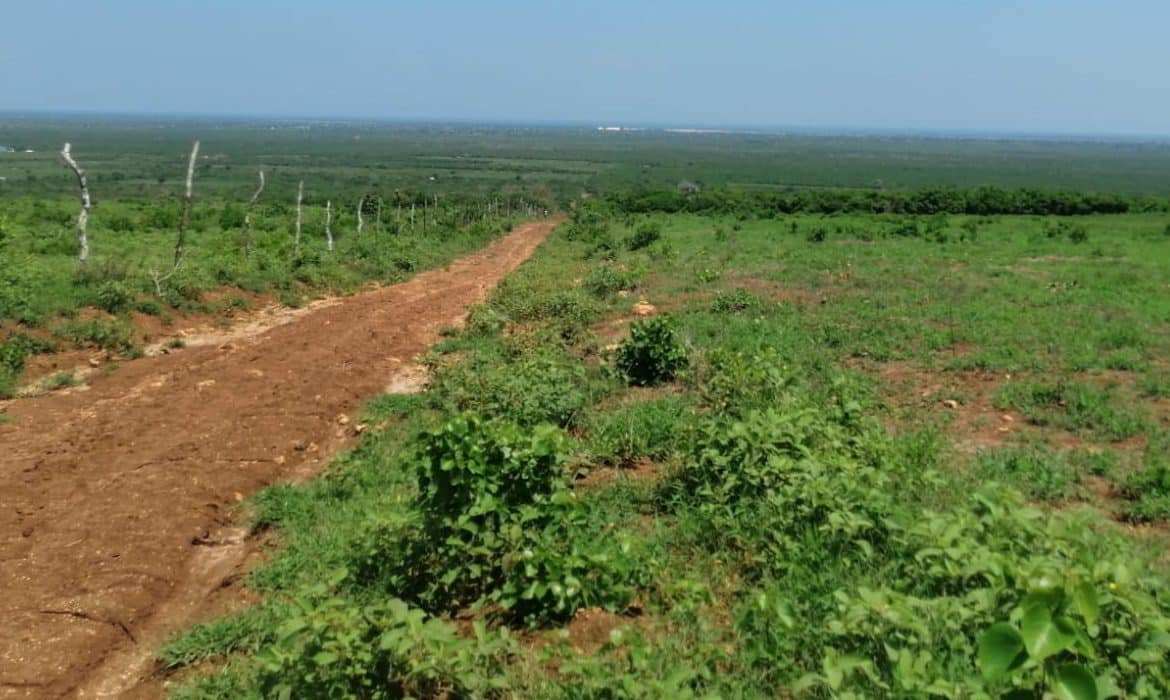
How to Choose the Right Plot or Property
Choosing the right land is a critical step in successful land ownership in Kenya. A well-informed decision protects buyers from fraud, legal disputes, and future financial losses. Whether you are buying land for residential use or investment, careful evaluation ensures long-term value and security. This section outlines key steps to help homeowners and investors select the right plot with confidence.
Checking Land Title Deed Authenticity
Verifying the authenticity of a land title deed is essential before committing to any purchase. This process confirms that the seller is the rightful owner and that the land is free from disputes or encumbrances. Buyers should compare registry records with physical title details to detect inconsistencies. Title verification protects against forged documents and illegal land sales. Ensuring authenticity is a crucial step when aiming to choose land in Kenya safely and legally.
Conducting a Proper Land Search
A proper land search provides detailed information about ownership history, land size, and legal status. It also reveals whether the property has outstanding loans, caveats, or court cases. Conducting this search early helps buyers avoid risky transactions and unexpected legal challenges. Both manual searches at land registries and digital searches can be used for verification. A thorough land search strengthens confidence in the purchase decision.
Evaluating Survey and Location Factors Survey and location factors directly affect land usability and value. Buyers should confirm boundary markers, access roads, and proximity to essential services. Location influences future appreciation, security, and development potential. Survey reports help ensure the land matches official records and advertised dimensions. Evaluating these factors carefully supports informed decision-making and reduces future disputes.
Conclusion
Land ownership in Kenya is a valuable investment when handled through the correct legal and registration processes. From verifying title deeds to understanding costs and legal requirements, each step plays a vital role in protecting your property rights. Buyers and investors who follow due diligence procedures significantly reduce the risk of fraud, disputes, and financial loss. Secure land ownership provides peace of mind, long-term value, and legal protection.
Snippets:
Secure your land investment today by following the proper legal and registration steps.