Looking to buy land for sale in Kenya safely and smartly? This comprehensive buyer’s guide walks you through costs, legal steps, risks to avoid, investment tips, and FAQs so you can purchase land with confidence in 2026 and beyond.
Why It Matters
Buying land for sale in Kenya is more than a property transaction; it’s a long-term investment that can secure wealth and provide financial stability. Land has consistently proven to be one of the most appreciating assets in Kenya, making it a smart choice for both first-time buyers and seasoned investors. Whether you plan to develop residential housing, start a farm, or hold the land for future appreciation, understanding why land matters is crucial before making a purchase.
Land as a Secure Investment
Owning land is one of the safest ways to grow your wealth in Kenya. Unlike other investments, land value generally appreciates over time, especially in growing urban and peri-urban areas. Many investors choose land for long-term investment opportunities in Kenya, taking advantage of infrastructure development, roads, and urban expansion. Additionally, land provides a tangible asset that can be leveraged for loans or other financial opportunities, offering both security and flexibility for future projects.
Benefits of Land Ownership
There are several benefits to owning land in Kenya.
- Wealth building: Land appreciates over time and can generate passive income through leasing or development.
- Security: Physical ownership ensures control and protection of your asset.
- Future development potential: Prime plots may be suitable for housing, commercial projects, or agricultural ventures.
Land ownership also supports intergenerational wealth, giving families long-term stability and opportunities for future generations.
Key Market Trends for 2026
The Kenyan land market is evolving rapidly. Urban expansion, road networks, and infrastructure projects are driving property prices upward, particularly in satellite towns around Nairobi, Mombasa, and Kisumu. Investors looking at land investment in Kenya 2026 should consider accessibility, zoning regulations, and upcoming development projects to maximise returns. Staying informed about market trends ensures that your land purchase is both strategic and profitable.

Services Included When Buying Land in Kenya
When purchasing land for sale in Kenya, several essential services ensure a safe and smooth transaction. From finding the right plot to completing legal transfers, professional services help buyers avoid common pitfalls, verify documents, and comply with all regulatory requirements. Using the right services reduces risks like title fraud, boundary disputes, and unapproved developments, making your investment secure and profitable.
Finding & Listing Services
Finding the perfect plot starts with reliable listing services. Online platforms like Ardhisasa, real estate websites, licensed developers, and agents provide a wide range of land options across urban and rural areas. Buyers can compare prices, sizes, and locations conveniently. However, each method has pros and cons:
- Online listings: Fast access to multiple plots but risk of fake listings.
- Agents & developers: Verified plots and professional guidance but may charge higher commissions.
Choosing the right source depends on your budget, location preference, and risk tolerance.
Due Diligence & Verification Services
Before committing to a purchase, verifying the land’s authenticity is critical. Services include checking the title deed via Ardhisasa, eCitizen, or the land registry, confirming the land’s ownership and legal status. Boundary verification and survey checks by licensed surveyors, such as those listed on Gmalink Properties, ensure the land matches official records. These steps protect buyers from fraud and help identify potential development restrictions.
Legal & Transfer Services
Legal services are crucial when buying land in Kenya. Advocates assist with drafting and reviewing sale agreements, securing Land Control Board (LCB) consent, and managing document lodgment and title transfer. Using qualified lawyers ensures your purchase complies with all legal requirements and reduces risks of future disputes.
Cost Breakdown of Buying Land in Kenya
Understanding the costs involved when buying land in Kenya is essential to make a well-informed investment. Land prices vary widely depending on location, size, and intended use, so planning your budget carefully ensures you can complete the transaction without surprises. This section breaks down the main costs, taxes, professional fees, and hidden expenses every buyer should consider.
Purchase Price
The purchase price of land is the largest component of the total cost. Urban areas like Nairobi suburbs are significantly higher than rural regions. High-growth zones such as Juja, Athi River, and Naivasha are experiencing rapid appreciation due to infrastructure projects and commercial development. Land size, plot accessibility, and existing amenities also influence price. Conducting market research on your preferred location helps set realistic expectations for land investment in Kenya.
Taxes & Government Fees
Government fees are mandatory and vary by land type and location:
- Stamp Duty: 4% for urban plots, 2% for rural areas.
- Land Control Board (LCB) Consent Fee: Approximately Ksh 1,000 for agricultural land.
- Registration & Issuance Fees: Paid to the Ministry of Lands for the official transfer and issuance of the title deed.
Accounting for these fees early prevents unexpected financial strain and ensures legal compliance.
Professional Fees
Hiring professionals adds security and expertise to the purchase process:
- Legal Fees: Typically 1–2% of the purchase price.
- Surveyor & Valuation Costs: Ensures accurate plot boundaries and fair pricing.
- Agent Commission: Usually 2–5% if you use a licensed real estate agent.
Hidden & Miscellaneous Costs
Other costs may include:
- Land Rates Clearance & Land Rent (for leasehold plots).
- Infrastructure Costs: Road access, utilities connection.
- Additional Due Diligence Expenses to verify land ownership and development restrictions.
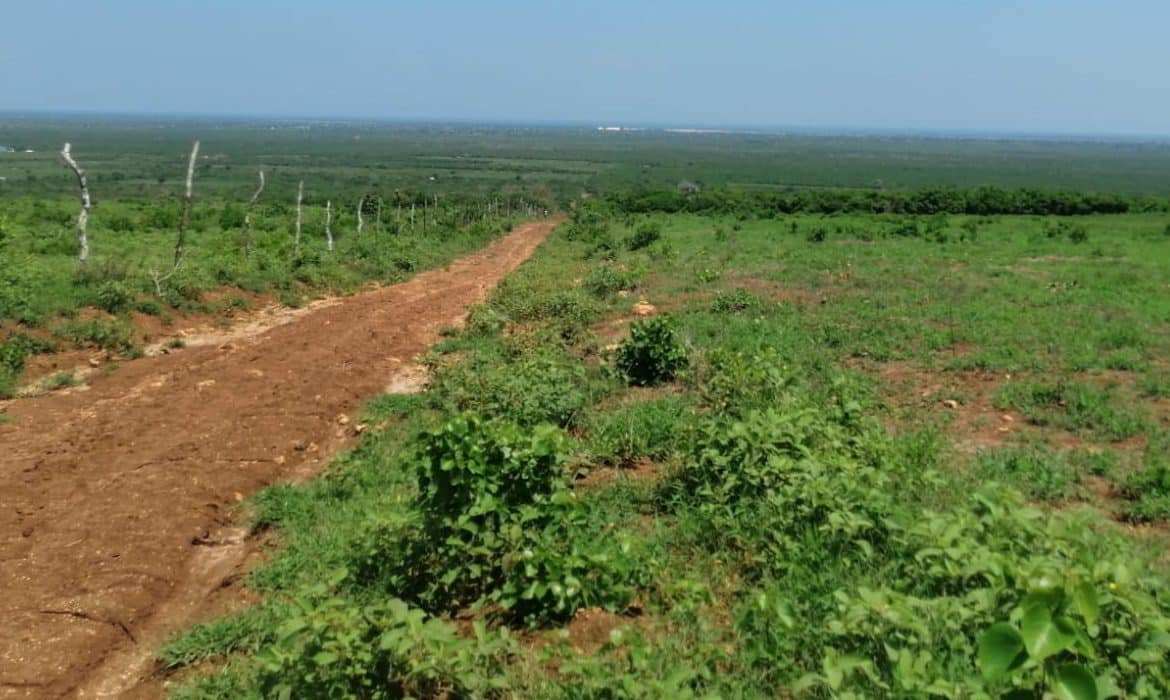
Factors Influencing the Cost of Land in Kenya
When considering land for sale in Kenya, several factors influence the final price. Understanding these elements helps buyers make informed decisions and avoid overpaying. Costs can vary widely depending on location, zoning, market conditions, and the specific features of the plot. Being aware of these factors allows investors to identify opportunities and maximise their returns.
Location & Accessibility
The location of a plot is one of the most significant determinants of cost. Urban centres and areas close to infrastructure like highways, schools, and shopping centres are generally more expensive than remote rural land. Accessibility affects not only the purchase price but also the potential resale value and future development options. Regions experiencing urban expansion, such as Nairobi’s satellite towns, are highly sought after for land investment in Kenya 2026.
Zoning & Land Use
Land use classification directly impacts price. Residential plots in developed neighbourhoods are usually pricier than agricultural land. Commercial land, especially along major roads or near industrial zones, tends to attract higher prices due to potential income-generating opportunities. Understanding zoning restrictions ensures that your intended use aligns with local regulations.
Market Demand & Speculation
High demand in growth corridors can drive prices up. Areas with ongoing infrastructure projects, upcoming towns, or government development initiatives often experience rapid appreciation. Speculation also plays a role, as investors anticipate future value increases in strategic locations.
Land Size & Amenities
Larger plots naturally cost more, and serviced land with utilities like water, electricity, and roads can attract a premium. Buyers should consider both current and future development potential when evaluating prices.
Legal & Regulatory Considerations When Buying Land in Kenya
Understanding the legal and regulatory requirements for buying land in Kenya is crucial for a safe and compliant purchase. Land transactions are strictly regulated, and failure to follow the correct procedures can result in disputes, financial loss, or even fraud. By familiarising yourself with the legal framework, documentation, and regulatory approvals, you can ensure that your investment is protected and legally valid.
Types of Land Rights
Land in Kenya is classified mainly into freehold and leasehold rights. Freehold land provides full ownership indefinitely, whereas leasehold land is held for a specific period, usually 33, 99, or 999 years. Understanding these differences is essential for investors and first-time buyers, as it affects property rights, development potential, and resale value. (Kings Developers)
Official Search & Title Verification
Verifying a title deed is a critical step in due diligence. Buyers can conduct searches at the Land Registry or use platforms like Ardhisasa to confirm ownership, boundaries, and any encumbrances. Title verification protects against fraud, double sales, and disputed land claims. (RealEstateKenya.net)
Land Control Board (LCB) Approval
LCB approval is mandatory for certain land types, especially agricultural land. The board ensures that sales comply with government regulations and local consent requirements. Obtaining LCB consent legally validates the transaction and prevents future disputes. (MNW Law)
Sale Agreement Essentials
A proper sale agreement should clearly outline the sale price, deposit, payment terms, and responsibilities of both parties. Including these elements protects both buyer and seller and ensures transparency throughout the transaction. (Premier Realty)
Transfer & Registration Process
The final legal step involves lodging documents with the Ministry of Lands to transfer ownership and issue the new title deed. Completing this process finalizes your purchase and gives you legal ownership. (RealEstateKenya.net)

How to Choose the Right Land in Kenya
Selecting the right land for sale in Kenya requires careful consideration of your purpose, location, and long-term goals. Whether you plan to use the land for residential development, farming, commercial projects, or pure investment, making an informed choice ensures you get value for your money and minimises risks. Buyers who evaluate key factors thoroughly are more likely to secure land that appreciates in value and meets their needs.
Determine Your Purpose
The first step in choosing land is clarifying your intended use:
- Investment: Focus on high-growth areas with potential for appreciation.
- Residence: Prioritise accessibility, security, and nearby amenities.
- Farming/Agriculture: Check soil fertility, water access, and climate suitability.
- Commercial: Consider traffic flow, business hubs, and zoning regulations.
Your purpose influences both the location and the features you should prioritise.
Location & Infrastructure
Proximity to infrastructure and utilities plays a significant role in land value. Access to roads, electricity, water, and communication networks enhances usability and resale potential. Land near highways, towns, or future development zones often provides higher returns for land investment in Kenya.
Environmental & Regulatory Considerations
Environmental restrictions and local land use regulations must be evaluated. Verify zoning requirements, flood risk, and protected areas to ensure compliance. Conducting due diligence by inspecting the site, talking to neighbors, and checking community plans helps prevent legal disputes or development delays.
Conclusion
Buying land for sale in Kenya is a significant investment that requires careful planning, legal compliance, and thorough due diligence. From understanding costs and taxes to verifying title deeds and obtaining necessary approvals, each step ensures that your land purchase is safe, legal, and profitable. By following best practices, you can avoid scams, minimize risks, and secure a valuable asset that appreciates over time.
A well-informed buyer focuses on:
- Due diligence: Verify ownership, check boundaries, and confirm zoning regulations.
- Legal steps: Use a lawyer, obtain Land Control Board consent, and lodge proper documents.
- Cost planning: Account for purchase price, taxes, professional fees, and hidden costs.
- Safe practices: Inspect the land physically, research the area, and avoid high-pressure deals.
Calls to Action (CTAs)
- Download our detailed land buying checklist to guide you through each step.
- Contact a verified Kenyan property lawyer for legal review and support.
- Get alerted to verified land listings near you to find high-quality investment opportunities.
Snippets & Quick Reference
- Use short checklists, like a 5-step land buying checklist, for fast decision-making.
- Highlight key tax percentages upfront to simplify budgeting.
Image Pack Suggestions
Include visuals that support understanding and engagement:
- Cost breakdown graphic showing purchase, taxes, and fees.
- Step-by-step purchase timeline illustrating the buying process.
- Legal documents checklist visual for easy reference.
Following these steps ensures your land investment in Kenya is secure, well-planned, and positioned for long-term growth.