Kenya Real Estate Market Trends 2026
Explore Kenyan real estate market trends in 2026, including costs, investment opportunities, risks, and expert guidance for buyers, sellers, and property investors in Kenya.
Introduction
Kenya Real Estate Market Trends 2026
The Kenyan real estate market trends in 2026 are shaping major decisions for buyers, investors, and property developers across the country. As demand patterns change and new growth areas emerge, understanding where the market is heading has become more important than ever. Rising construction costs, shifting buyer preferences, and tighter financing conditions are directly influencing how people invest in property.
Why Kenyan Real Estate Market Trends Matter in 2026
Understanding Kenyan real estate market trends in 2026 helps buyers and investors avoid costly mistakes and identify profitable opportunities early. The market is no longer driven by speculation alone. Instead, data, affordability, and long-term demand now play a bigger role in decision-making. Those who follow the trends closely are better positioned to time their purchases, choose the right locations, and manage risks.
Key reasons these trends matter include:
- Identifying areas with rising demand before prices peak
- Understanding which property types offer stable rental yields
- Avoiding oversupplied or high-risk segments
Ignoring market signals can lead to overpaying, poor rental performance, or delayed project completion. By tracking the right indicators, buyers and investors can align their goals with the realities of the property market trends in Kenya and make smarter, future-focused decisions.
Market Growth, Demand Shifts & Investor Confidence
Kenya’s property market continues to grow, but the pace and direction of growth have changed. Price appreciation is slowing in some high-end areas, while rental yields remain stronger in well-located mid-income zones. This shift is pushing investors to focus more on cash flow than pure capital gains.
2025 is a decision year because:
- Financing conditions are tighter
- Buyers are more price-sensitive
- Competition for quality locations is increasing
Residential, Commercial & Land Investment Signals
Residential property remains the most active segment, especially apartments and gated communities targeting middle-income buyers. Absorption rates are stronger where pricing matches local income levels and access to amenities is good.
Commercial real estate is showing signs of recovery, particularly mixed-use developments and flexible office spaces. Demand is being driven by small businesses and service-based companies rather than large corporates.

Services Included in Kenya’s Real Estate Market
Understanding the real estate services in Kenya is essential for both buyers and investors in 2025. The property market has evolved, with professional services covering every stage from acquisition to long-term management. Knowing what services are available ensures smoother transactions, better returns, and legal compliance.
Buying & Selling Property Services
Property transactions in Kenya involve more than paying for a home or plot. Services typically include:
- Property sourcing to find units that match buyer criteria
- Marketing and listing services to attract qualified buyers
- Negotiation and closing support to secure favorable terms
These services reduce delays and increase transparency, especially for first-time buyers or off-plan investments.
Property Valuation & Advisory Services

Professional valuation and advisory services help investors and buyers make informed decisions. These include:
- Market valuations to determine fair pricing
- Investment feasibility analysis to project potential returns
- Bank and legal valuations for mortgage approvals or compliance
Accurate advice is critical to avoid overpaying and to ensure sustainable investment.
Property Management & Rental Services
Long-term property ownership requires management to maintain value and ensure steady income. Key services include:
- Tenant sourcing to reduce vacancies
- Rent collection and financial reporting
- Maintenance and regulatory compliance
These services allow investors to focus on strategy while professionals handle daily operations.
Keyword opportunities: real estate services in Kenya, property advisory Kenya, real estate agents Kenya
Cost Breakdown in the Kenyan Property Market (2026)
Property Purchase Costs
Initial purchase costs are often the largest expense. They include:
- Property price ranges, which differ by city, suburb, and property type
- Agent commissions, typically a percentage of the sale price
- Stamp duty and taxes, mandated by government regulations
Development & Construction Costs
For investors building or developing property, these costs are significant:
- Land acquisition, especially in high-demand zones
- Materials and labour trends, which fluctuate due to inflation
- Approval and compliance fees for permits and inspections
Ongoing Ownership Costs
Even after purchase or development, ongoing costs affect profitability:
- Rates and land rent charged by local authorities
- Property management fees for upkeep and tenant services
- Maintenance expenses including repairs, insurance, and utilities
Factors Influencing Real Estate Trends in Kenya
Understanding real estate trends in Kenya 2026 requires examining the key factors that shape pricing, demand, and investment potential. The property market is influenced by a mix of economic conditions, infrastructure developments, technological adoption, and evolving buyer preferences. Investors and buyers who track these factors can make informed decisions and avoid costly mistakes.
Economic & Financing Conditions
Interest rates and mortgage accessibility have a direct impact on the ability of buyers to enter the market. Higher interest rates can reduce affordability, while lower rates encourage more first-time homeowners and investors to secure financing. Household income levels and inflation rates further influence purchasing power, affecting both demand and rental yields. Investors must carefully consider these factors when planning long-term property strategies to ensure profitable returns.
Infrastructure & Urban Expansion
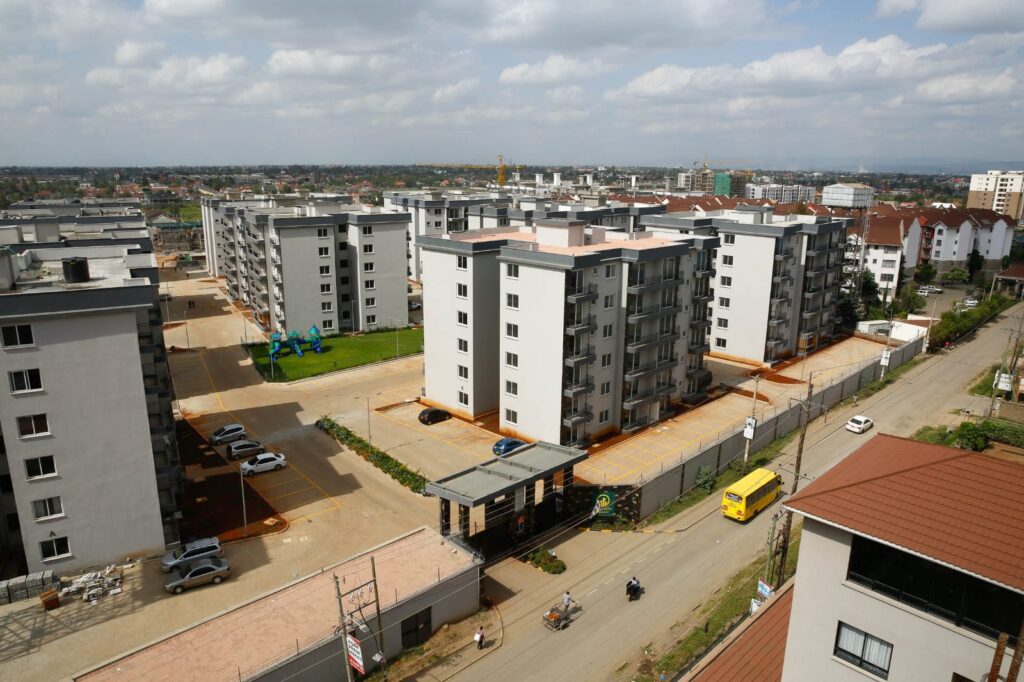
Infrastructure development is one of the strongest drivers of property demand in Kenya. New roads, expressways, and SGR projects improve connectivity between cities and emerging satellite towns, making these areas more attractive for residential and commercial investment. This has led to increased demand in locations such as Ruiru, Kitengela, and Athi River, where affordability combines with improved accessibility. Strategic investors often target these corridors to maximise capital growth while avoiding the congestion and higher costs of central urban areas.
Technology, Sustainability & Buyer Preferences
Technological advancements are transforming how people search, evaluate, and purchase property. PropTech platforms allow buyers to conduct virtual tours, compare prices, and complete transactions online, making the process faster and more transparent. Sustainability has also become a key factor, with energy-efficient and green buildings attracting environmentally conscious buyers. Properties that meet these modern expectations often command higher resale values and rental premiums, influencing long-term market trends significantly.

Legal & Regulatory Considerations in 2026
Title Verification & Due Diligence
Title verification is a critical step that protects buyers from potential disputes and fraud. Checking the land registry ensures the property has a clear title, free from encumbrances or legal claims. Buyers should also examine historical ownership records and any pending litigation to avoid complications. Conducting thorough due diligence provides peace of mind and safeguards investment value.
Taxes, Compliance & Government Policies
Understanding tax obligations and compliance requirements is vital for property investors. Changes in stamp duty, local rates, and government incentives like the Affordable Housing Programme can directly impact costs and project viability. Proper planning helps investors manage expenses and take advantage of applicable exemptions or incentives, ensuring better returns. Staying informed about policy changes is critical for all participants in the Kenyan real estate market.

Foreign & Diaspora Investment Rules
Foreigners and diaspora investors must navigate specific ownership restrictions and leasehold conditions in Kenya. Certain properties may be off-limits, or special approvals may be required to acquire land legally. Understanding these rules ensures compliance, avoids legal challenges, and helps investors make strategic decisions that maximise returns. Consulting experts familiar with diaspora property laws is highly recommended.
How to Choose the Right Real Estate Opportunity in Kenya
Choosing the Right Location & Property Type
Location is a primary determinant of property value and returns. Investors must consider ROI versus lifestyle buying, weighing areas with strong rental demand against personal preference. Emerging suburbs like Kitengela, Ruiru, and Athi River offer growth potential, while established urban zones may provide more stable returns. Understanding demand patterns and local amenities helps investors select properties that align with market trends and maximise rental and resale opportunities.
Evaluating Developers, Agents & Projects
Choosing credible developers and agents reduces the risk of project delays, poor quality, or fraud. Track record checks, past project performance, and client reviews are essential. Investors should also watch for red flags, such as unlicensed agents, unclear ownership documents, or unrealistic promises. Conducting thorough evaluations ensures that both construction quality and legal compliance are maintained throughout the project.

Timing the Market in 2026
Market timing can significantly impact investment returns. Off-plan properties often offer lower entry prices and potential capital appreciation but come with construction and completion risks. Completed units allow immediate rental income and easier financing but may cost more upfront. Investors should analyse market cycles, economic conditions, and local demand to decide when to buy for optimal value.
Conclusion
The Kenyan real estate market trends in 2026 highlight the importance of making informed investment and buying decisions. Market growth is influenced by a combination of factors, including property costs, available services, legal frameworks, and evolving investment strategies. Buyers and investors who understand these trends are better positioned to select the right properties, maximise rental yields, and achieve long-term capital appreciation.
Careful consideration of location, property type, developer credibility, financing conditions, and infrastructure developments ensures that investments are both profitable and secure. Regulatory awareness, including taxes, title verification, and foreign ownership rules, protects investors from legal complications. By aligning strategy with current market realities, investors and homeowners can outperform speculation and make confident, future-proof decisions.
CTAs
- Request a professional property market consultation to guide your investment decisions
- Download the 2026 Kenya property investment checklist for step-by-step planning
- Get alerted to verified property listings and market insights to stay ahead of trends
SEO Snippet Targets
- Definition of Kenyan real estate market trends
- Average property investment costs in Kenya
- Best areas to invest in Kenya 2026