Discover how to identify high footfall commercial locations in Kenya, analyse retail traffic, and secure profitable business sites for maximum ROI.
Introduction
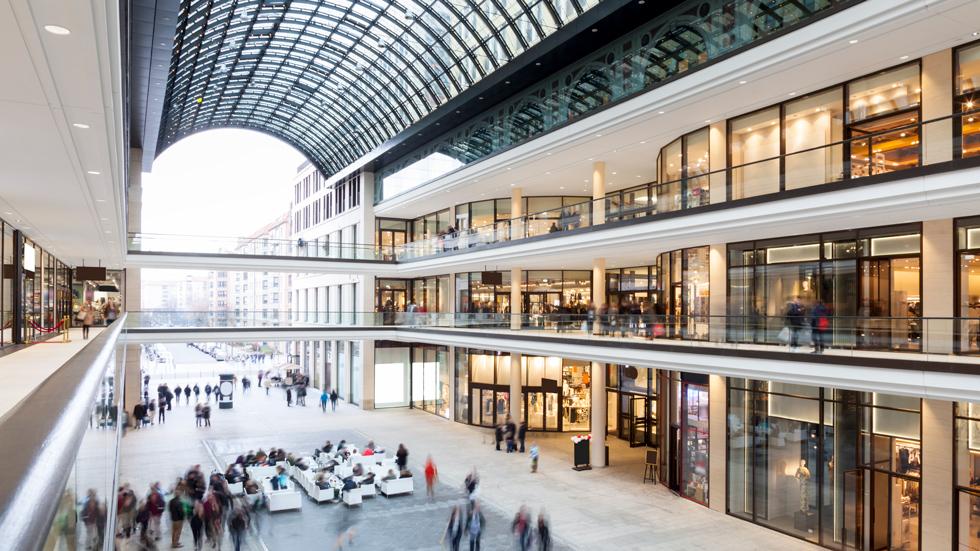
High footfall commercial locations are critical for business success because they attract more customers, increase brand visibility, and boost sales. In Kenya, where urban areas and shopping districts are growing rapidly, choosing the right site can make the difference between a thriving business and one that struggles. Locations near busy roads, transport hubs, and popular malls often generate the most consistent foot traffic.
Using data-driven site selection is essential for identifying these high-performing areas. By analyzing foot traffic patterns, demographics, and consumer behavior, business owners can choose sites that maximize revenue and long-term return on investment. Emerging towns like Kitengela and retail hotspots in Nairobi, such as Westlands and Karen, are increasingly becoming prime locations for retail and commercial ventures.
Why High Footfall Commercial Locations Matter
Understanding Footfall vs. Conversion
Footfall refers to the number of people who pass by or enter a commercial location, but high foot traffic does not always guarantee sales. Conversion measures how many of those visitors actually make a purchase, which is the key metric for business profitability. Understanding the difference helps business owners focus not just on traffic volume, but on attracting the right customers who are likely to spend. Using footfall analytics can help track both metrics and optimize store layout or marketing strategies.
Revenue Potential and Business Growth
High footfall commercial locations can significantly increase revenue because more visitors generally translate into more potential customers. Strategic location selection in busy districts ensures a steady stream of shoppers, which accelerates business growth over time. Retailers and service providers in high-traffic areas often experience higher average sales per day, which strengthens their long-term financial stability. This makes site selection a critical factor in achieving sustainable business expansion.
Brand Visibility and Customer Reach
Choosing a location with consistent foot traffic enhances brand visibility by exposing your business to a larger audience. Areas with frequent pedestrian or vehicle traffic ensure that your brand is continuously seen, which builds awareness and customer familiarity. High-visibility locations, especially near popular landmarks or shopping centers, can also attract spontaneous visits from potential buyers. Over time, this increased exposure can translate into a loyal customer base and stronger market presence.
Impact on Long-Term Investment Value
Locations with high footfall often retain their commercial value over time because demand remains strong among retailers and investors. Investing in these areas not only improves short-term sales but also increases property appreciation potential. Businesses in prime locations are more resilient to market fluctuations due to their consistent customer flow. Choosing the right site, therefore, benefits both operational performance and long-term asset growth.
Key Concepts in Commercial Site Selection
Demographics and Catchment Area Analysis
A successful commercial site must align with the demographics of the surrounding population, including age, income level, and lifestyle preferences. Catchment area analysis helps businesses understand how far customers are willing to travel and whether there is sufficient demand nearby. Studying population density and spending patterns ensures that a location will generate sustainable sales. This approach reduces risk and helps in selecting locations that consistently attract the target market.
Target Customer Profiles
Defining a clear target customer profile is essential for selecting a location that matches business objectives. By understanding customer preferences, spending behavior, and mobility patterns, retailers can choose sites where their ideal audience naturally congregates. This alignment increases the likelihood of converting foot traffic into sales. A strong focus on customer profiles ensures marketing and location strategy work hand in hand.
Footfall Quality vs Quantity
Not all foot traffic is equally valuable; quality matters more than sheer numbers. High footfall from irrelevant or non-target customers may not generate significant sales. Retailers should prioritize locations where visitors match their target audience and have the capacity to make purchases. Evaluating footfall quality alongside quantity ensures investments in commercial property are more profitable.
Competitor and Complementary Business Influence
The presence of competitors and complementary businesses can greatly influence a location’s performance. Nearby competitors may provide insights into the viability of the market but can also divide customer attention. On the other hand, complementary businesses, such as coffee shops near bookstores, can increase overall foot traffic and create synergy. Analyzing the business ecosystem ensures a commercial location benefits from positive spillover effects while minimizing competition risks.
How to Identify High Footfall Commercial Locations
Identifying high footfall commercial locations requires evaluating more than just visible traffic. The table below outlines the key factors to analyse when assessing a site’s true foot traffic potential and long-term profitability.
| Key Factor | What to Analyse | Why It Matters |
| Foot Traffic Volume | Daily and peak-hour pedestrian counts | Indicates the number of potential customers exposed to your business |
| Footfall Quality | Visitor demographics, income levels, and shopping intent | Ensures traffic matches your target customers and purchasing power |
| Accessibility | Proximity to roads, public transport, parking, and walkways | Easy access increases visit frequency and conversion rates |
| Visibility & Frontage | Street-facing position, signage exposure, mall placement | Improves brand awareness and impulse visits |
| Competitor Presence | Nearby competitors and complementary businesses | Reveals market demand and potential customer spillover |
| Catchment Area | Population density and distance customers travel | Determines long-term sustainability of customer flow |
| Peak & Seasonal Trends | Busy hours, weekends, holidays, and seasonal patterns | Helps plan staffing, promotions, and operating hours |
| Operational Costs | Rent, service charges, utilities, and staffing costs | Ensures high footfall translates into profitable ROI |
Foot Traffic Data Collection Methods
Collecting accurate foot traffic data is essential for identifying high-performing locations. Methods include using sensors, mobile tracking, camera analytics, and manual counting during peak hours. Combining multiple data sources provides a clearer picture of daily and seasonal patterns. This data-driven approach enables businesses to select sites with reliable and profitable visitor flow.
Accessibility and Transport Networks
A commercial location’s accessibility determines how easily customers can reach it, which directly affects footfall. Proximity to major roads, public transport hubs, and parking facilities increases convenience and attracts more visitors. Locations with poor accessibility may have high visibility but fail to convert traffic into sales. Considering transport connectivity is therefore crucial in retail location analysis.
Visibility, Frontage, and Signage
High visibility and prominent frontage make it easier for businesses to attract attention from passing customers. Signage and store positioning along busy streets or inside popular malls improve brand recognition and impulse visits. A well-positioned commercial site ensures that both foot and vehicle traffic notice the business, increasing potential customer reach. Investing in visibility often pays off in higher sales and better brand recall.
Seasonal and Peak Hour Considerations
Foot traffic can vary significantly depending on the time of day, week, or season. Identifying peak hours and seasonal trends ensures that businesses can staff appropriately and optimize marketing strategies. Retailers should analyze historical data or use footfall tracking tools to predict busy periods. This proactive planning improves operational efficiency and sales performance.
Best Business Locations in Kenya
Nairobi High-Traffic Zones
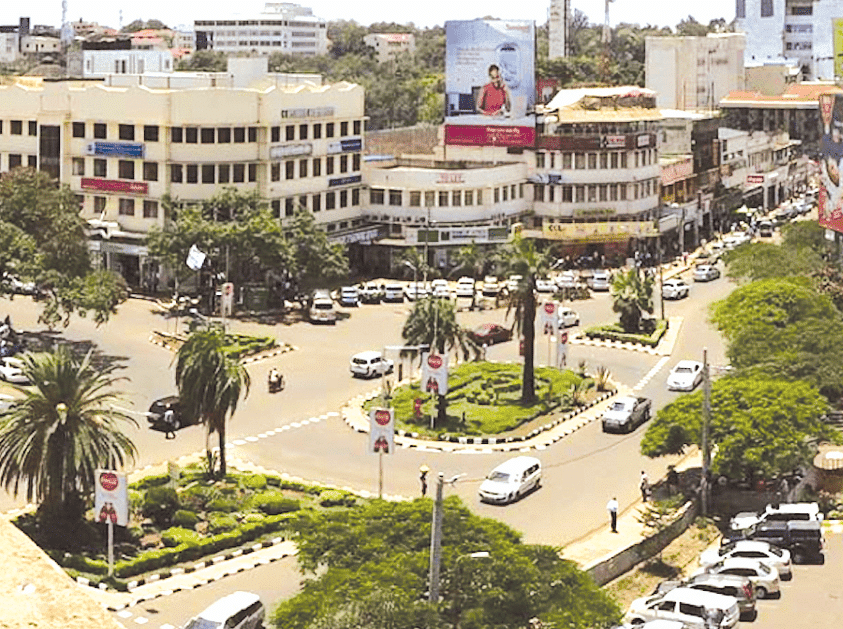
Nairobi remains the top city for high footfall commercial locations due to its dense population and vibrant business districts. Areas such as Westlands, Kilimani, and the Central Business District consistently attract large numbers of pedestrians and commuters, making them ideal for retail, services, and office spaces. High-traffic streets, proximity to corporate offices, and accessibility via public transport contribute to steady customer flow. Selecting a site in these zones can significantly enhance brand exposure and daily revenue.
Major Retail Hubs and Shopping Malls
Malls like Two Rivers, Sarit Centre, and The Hub Karen are prime examples of locations with concentrated foot traffic. These hubs attract shoppers from different income groups and provide businesses with a ready-made customer base. Retailers benefit from anchor stores and complementary services that drive consistent traffic, increasing the likelihood of higher sales conversions. Investing in spaces within or near major retail centers ensures long-term exposure to both local and visiting customers.
Emerging Urban and Satellite Markets
Cities and towns outside Nairobi, such as Kitengela, Athi River, and Thika, are emerging as high-potential business locations. Rapid population growth, new residential developments, and improved infrastructure are driving more visitors to these areas. Investors and retailers looking for cost-effective high footfall locations can capitalize on these markets before they become saturated. Identifying the right site in a growing town requires analyzing both local demand and accessibility.
Commercial Site Selection Checklist
Footfall Measurement and Data Analysis
Accurately measuring foot traffic is a crucial step in site selection, helping businesses distinguish between busy locations and areas with low customer engagement. Using data from sensors, mobile analytics, or surveys allows for informed decision-making. Understanding daily, weekly, and seasonal trends ensures that a location can sustain consistent customer flow. This analytical approach reduces risk and maximizes the return on investment.
Competitor and Market Evaluation
Analyzing competitors and the surrounding market environment helps businesses anticipate customer behavior and identify opportunities. Locations near complementary businesses may benefit from spillover traffic, while areas saturated with competitors may require stronger differentiation. Evaluating market density, customer demand, and competitor performance ensures the chosen site aligns with business strategy. This step is key for both new and expanding ventures.
Operational Costs, Lease Terms, and ROI Potential
High footfall alone does not guarantee profitability; operational expenses and lease terms must be considered. Rent, utilities, staffing, and maintenance costs directly impact overall ROI. Assessing these financial factors alongside potential revenue from foot traffic helps businesses make sustainable investments. A well-rounded checklist ensures the selected location is both operationally feasible and financially rewarding.

Tools & Technology for Retail Location Analysis
Footfall Analytics Platforms
Modern footfall analytics platforms use sensors, cameras, and mobile data to provide real-time insights into visitor patterns. Businesses can track metrics such as peak hours, dwell time, and conversion rates to make informed location decisions. These tools help identify locations with the highest potential for sales growth and customer engagement. Using analytics ensures that retail site selection is precise and data-driven.
GIS Mapping and Spatial Analysis
Geographic Information Systems (GIS) allow businesses to visualize foot traffic, competitor locations, and customer demographics on detailed maps. Spatial analysis identifies patterns and trends that are not obvious through simple observation. This technology helps compare multiple locations and determine which site has the highest potential for attracting the target audience. GIS mapping is increasingly essential for strategic commercial site selection.
Predictive Analytics for Site Success
Predictive analytics uses historical data and market trends to forecast the potential performance of commercial locations. By simulating different scenarios, businesses can anticipate customer flow, seasonal variations, and sales opportunities. This proactive approach minimizes risk and maximizes the likelihood of success before committing to a lease. Predictive insights allow retailers to choose sites that will sustain growth over time.
Conclusion
Identifying high footfall commercial locations requires a combination of data-driven analysis, market knowledge, and local insights. Businesses should evaluate foot traffic patterns, demographics, accessibility, and competition to select sites that maximize both short-term revenue and long-term growth. Emerging towns, busy urban districts, and major malls in Kenya offer prime opportunities for retail and service businesses looking to attract consistent customer flow.