Trends Shaping Kenya’s 2026 Market
Kenya Property Market Trends 2026 reveal diverging opportunities in affordable housing, mid-market homes, and luxury real estate. Explore pricing, demand, locations, and investment returns shaping Kenya’s property market in 2026.
Introduction — Kenya Property Market Trends 2026
Trends Shaping Kenya’s 2026 Market
Kenya Property Market Trends 2026 show a clear shift toward affordable, mid-market, and luxury housing segments, each driven by different buyer needs and investment goals. As prices, financing, and infrastructure evolve, buyers and investors can no longer rely on a one-size-fits-all property strategy.
Affordable housing trends in Kenya are shaped by policy support and high demand, while mid-market housing demand in Kenya is being driven by a growing middle class. At the same time, the luxury real estate market in Kenya is becoming more selective, focusing on lifestyle, location, and long-term value.
Choosing the right segment in 2026 depends on budget, risk appetite, and expected returns. Understanding how these segments differ helps investors protect capital and position for growth.
Quick Snapshot
Kenya Property Market Trends 2026 can be summarised into clear, segment-based movements that guide buying and investment decisions.
- Affordable housing trends Kenya:
Volume-driven demand supported by government programmes and private developers, with strong uptake from first-time buyers and end users.
- Mid-market housing demand Kenya:
The strongest and most stable demand segment, driven by salaried professionals, young families, and rental investors seeking consistent occupancy.
- Luxury real estate market Kenya:
Selective growth focused on prime locations, lifestyle amenities, and low-density developments targeting high-net-worth buyers and diaspora investors.
- Key growth zones:
Satellite towns, major transit corridors, and gated suburbs continue to attract both developers and buyers due to better infrastructure and relative affordability.
Kenya Property Market Trends 2026 – Macro Overview
Economic growth outlook and property demand
Kenya’s steady economic growth is supporting gradual expansion in housing demand, especially in urban and peri-urban areas. Employment growth, service-sector expansion, and infrastructure spending are translating into consistent demand rather than rapid price spikes. This environment favours income-generating residential property over speculative land buying.
Population growth, urbanisation, and household formation
Rapid population growth and continued urbanisation are increasing the number of new households entering the housing market each year. Young professionals and newly formed families are driving demand for apartments and starter homes, particularly in satellite towns around Nairobi and other major cities. This trend underpins both affordable housing trends in Kenya and sustained mid-market housing demand.
Mortgage rates, financing access, and buyer affordability
Mortgage access remains limited, but gradual improvements in financing options are influencing buying behaviour in 2026. Buyers are increasingly relying on developer payment plans, SACCO financing, and cooperative housing models to bridge affordability gaps. As a result, pricing sensitivity is high, especially in the mid-market segment.
Regulatory and policy influences on real estate
Government policies continue to shape supply and demand across property segments. Zoning regulations, housing incentives, and tax policies are influencing where developers build and what price points are viable. Policy focus on affordable housing is also indirectly affecting land use and construction activity in surrounding areas.
Affordable Housing Trends Kenya
Definition and pricing of affordable housing in 2026
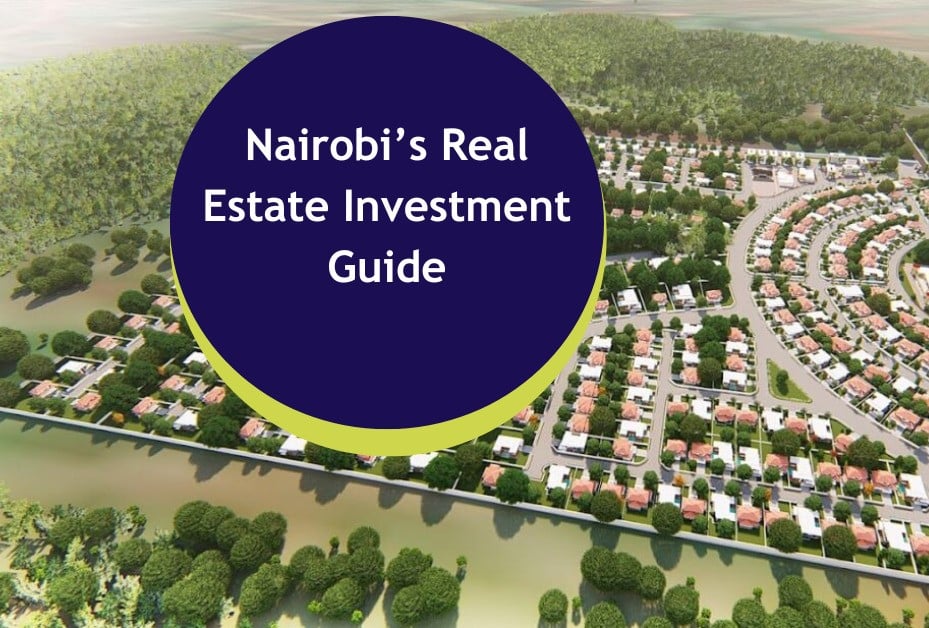
In 2026, affordable housing in Kenya is typically defined by price caps aligned with average household incomes rather than premium finishes or large unit sizes. Developers are focusing on compact designs and cost-efficient construction methods to keep prices within reach of end users. This approach supports volume sales but limits speculative price appreciation.
Government affordable housing programme progress
The government’s Affordable Housing Programme continues to influence supply through incentives, land access, and partnerships. While progress has been uneven, the programme has increased awareness and demand for structured affordable housing solutions. Its biggest impact is seen in large-scale developments near employment centres and transport corridors.
Private developers and PPP participation
Private developers and public–private partnerships are playing a growing role in meeting affordable housing demand. These players are leveraging scale, prefabrication, and standardised designs to reduce costs. PPP models are also helping unlock public land for residential development.
High-demand affordable housing locations
Demand for affordable housing is strongest in satellite towns and emerging suburbs with good transport access. Areas along major highways and commuter rail lines are attracting buyers priced out of city centres. These locations balance affordability with access to jobs and services.
Supply bottlenecks and delivery risks
Despite strong demand, affordable housing faces supply bottlenecks linked to land costs, infrastructure gaps, and rising construction expenses. Delays in approvals and utilities installation can also slow project completion. These risks affect delivery timelines and, in some cases, final pricing.

Mid-Market Housing Demand Kenya
Who the mid-market buyer is in 2026
The mid-market buyer in 2026 is largely made up of salaried professionals, young families, and dual-income households. These buyers prioritise secure neighbourhoods, reliable infrastructure, and proximity to workplaces. Many are upgrading from rental units or smaller homes as incomes stabilise.
Pricing bands and product typologies
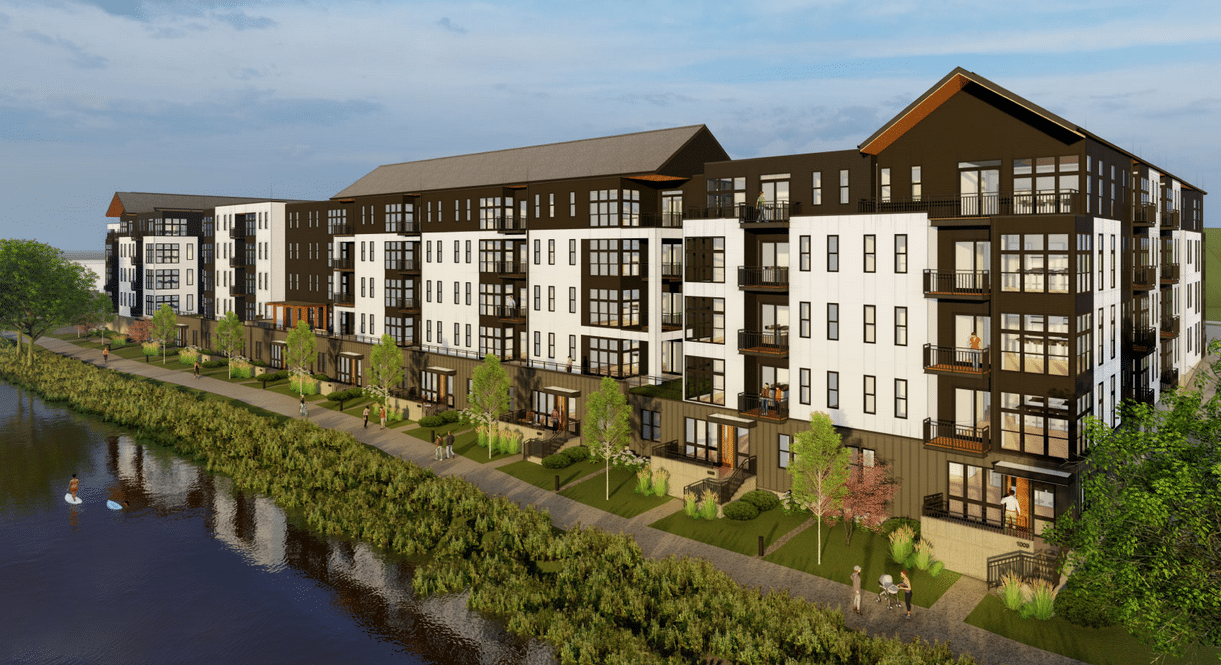
Mid-market properties are priced to balance affordability with comfort, offering better finishes and more space than entry-level housing. Apartments dominate this segment, but maisonettes and townhouses are gaining popularity in low-density suburbs. Buyers value functional layouts over luxury aesthetics.
Rental demand vs owner-occupier demand
Both rental and owner-occupier demand are strong in the mid-market segment. Rental demand is driven by professionals seeking quality housing without luxury pricing, while owner-occupiers are attracted by long-term stability. This dual demand supports steady occupancy rates and predictable rental yields.
Fast-growing mid-market suburbs
Mid-market growth is concentrated in well-connected suburbs with improving infrastructure. Areas near highways, bypasses, and business hubs continue to outperform due to convenience and relative affordability. These suburbs also attract developers focused on planned communities.
Payment plans and buyer incentives
Flexible payment plans are a major driver of mid-market housing demand in 2026. Developers are offering phased payments, rent-to-own options, and off-plan discounts to reduce entry barriers. These incentives make mid-market homes accessible without full mortgage dependence.

Luxury Real Estate Market Kenya
Luxury buyer profiles (HNIs, diaspora, expats)
Luxury buyers in Kenya include high-net-worth individuals, diaspora investors, and expatriates seeking premium residences. These buyers are less price-sensitive but highly selective about location, privacy, and long-term value. Lifestyle considerations often outweigh short-term returns.
Prime luxury property locations in Kenya
Luxury property demand remains concentrated in established high-end neighbourhoods. Buyers prefer areas with low density, security, and proximity to international schools and embassies. These locations retain value better during market slowdowns.
Smart homes, green design, and lifestyle amenities
Modern luxury homes are increasingly defined by technology and sustainability. Smart home systems, energy-efficient designs, and shared lifestyle amenities are now standard expectations. These features enhance long-term appeal rather than immediate resale gains.
Pricing resilience and demand concentration
Luxury property pricing in Kenya is more resilient than mass-market housing, but demand is highly concentrated. Only well-located and well-designed developments maintain consistent interest. Poorly positioned luxury projects face longer selling periods.
Oversupply and liquidity risks in luxury housing
Oversupply remains a key risk in the luxury segment, particularly in areas with rapid apartment development. Liquidity is lower compared to affordable and mid-market housing, making exit timelines longer. Investors must factor holding costs and market timing into decisions.
Location & Infrastructure Impact on Property Demand
Location and infrastructure are central to Kenya Property Market Trends 2026, directly shaping demand across affordable, mid-market, and luxury housing. Buyers are increasingly valuing accessibility, commuting time, and service availability over proximity to city centres alone.
Roads, expressways, and commuter rail influence
New roads, expressways, and commuter rail projects are redefining housing demand patterns. Improved connectivity is shortening travel times and making previously distant areas viable for residential development. This infrastructure shift is especially beneficial to affordable and mid-market housing located along major transport corridors.
Satellite towns vs core city locations
Satellite towns are gaining preference due to lower land costs and improving infrastructure. While core city locations still attract premium pricing, buyers are weighing space and affordability against centrality. This trend supports stronger demand in satellite towns across both affordable and mid-market segments.
Zoning, land availability, and density controls
Zoning regulations and land availability influence what types of housing can be developed in different areas. Higher-density zoning supports apartment developments, while low-density controls preserve exclusivity in luxury neighbourhoods. These planning rules shape supply and long-term price behaviour.
Transit-oriented developments and mixed-use hubs
Transit-oriented developments and mixed-use hubs are emerging as preferred residential formats. These developments combine housing, retail, and workplaces near transport nodes, reducing commuting needs. They appeal strongly to mid-market buyers and young professionals.
Investment Performance & Risk by Property Segment
| Segment | Demand Level | Rental Yield Stability | Liquidity (Resale Speed) | Risk Profile |
| Affordable Housing | Very High | High (consistent occupancy) | High (large buyer pool) | Low–Medium |
| Mid-Market Housing | High | High (balanced rent vs price) | Medium–High | Medium |
| Luxury Property | Selective | Medium (higher rents, lower occupancy) | Low | Medium–High |
Investment performance varies significantly across affordable, mid-market, and luxury housing within Kenya Property Market Trends 2026. Understanding returns, liquidity, and risks helps investors align property choices with financial goals.
Rental yields by affordable, mid-market, and luxury segments
Affordable and mid-market properties generally deliver more stable rental yields due to consistent demand. Luxury properties may command higher rents, but occupancy can be less predictable. Yield performance depends heavily on location and unit pricing.
Capital appreciation expectations for 2026–2030
Capital appreciation is expected to be gradual rather than speculative between 2026 and 2030. Areas benefiting from infrastructure upgrades and urban expansion are likely to outperform. Long-term value growth favours well-located mid-market and select affordable housing projects.
Liquidity and exit timelines by segment
Liquidity differs widely across property segments. Affordable housing offers faster resale due to a larger buyer pool, while mid-market properties strike a balance between price and demand. Luxury housing typically requires longer exit timelines.
Key risks investors should factor in
Investors must consider construction delays, regulatory changes, financing costs, and market saturation. Segment-specific risks include oversupply in luxury housing and margin pressure in affordable projects. Risk management is essential for sustainable returns.
Conclusion
Kenya Property Market Trends 2026 highlight a market shaped by affordability, infrastructure, and changing buyer priorities. Affordable housing suits investors seeking volume-driven demand and faster exits, while mid-market housing offers the most balanced mix of stability, rental income, and long-term growth. The luxury real estate market in Kenya remains viable for buyers focused on lifestyle and capital preservation rather than quick returns.
Choosing the right property segment in 2026 depends on financial capacity, risk tolerance, and investment goals. A strategic, segment-specific approach is essential for navigating Kenya’s evolving property market.