Discover what works best in apartment design plans in Kenya, including smart layouts, unit mix, modern trends, and cost-effective strategies to maximize rental income and ROI in urban developments.
Introduction: Why Apartment Design Plans Matter in Kenya
Kenya’s real estate sector is experiencing rapid growth, driven by urbanization, population increase, and the expanding middle class. Cities like Nairobi, Mombasa, and Kisumu are seeing a sharp rise in demand for rental housing, making apartments one of the most attractive investment options. However, as competition increases, simply building units is no longer enough—how those apartments are designed has become the real differentiator.
A well-thought-out apartment design plan plays a critical role in determining rental income, occupancy rates, and overall property value. Units that are functional, spacious, and aligned with tenant needs tend to attract tenants faster and retain them longer. On the other hand, poorly designed apartments—no matter how new—often struggle with vacancies and lower rental returns. From room layout and natural lighting to space optimization and amenities, every design decision directly impacts profitability.
Industry insights consistently show that good design translates to higher return on investment (ROI). Developers who invest in smart, market-driven designs are more likely to achieve steady cash flow and long-term appreciation compared to those who prioritize cost-cutting over functionality.
In this guide, we will explore what works best in apartment design plans in Kenya, including unit types, layout strategies, cost considerations, and modern trends. Whether you are a developer, investor, or landowner, this article will provide practical insights to help you design apartments that perform well in today’s competitive market.
Understanding the Kenyan Apartment Market
Kenya’s apartment market is shaped largely by rapid urbanization and a growing population moving into cities in search of education, employment, and better opportunities. Urban centers such as Nairobi, Mombasa, and Kisumu continue to experience sustained housing demand, creating a strong need for well-designed rental units. This trend has made apartments the preferred housing solution due to their ability to accommodate more people within limited urban space.
The market is driven by three main tenant groups. Students typically look for affordable, compact units near learning institutions. Young professionals prefer modern, functional apartments with convenient access to workplaces and amenities. Families, on the other hand, prioritize space, privacy, security, and proximity to schools and social infrastructure. Understanding these segments is crucial, as each has unique expectations that directly influence design decisions.
Apartments dominate the housing sector primarily because of limited land availability in urban areas and consistently high rental demand. Developers can maximize land use by building vertically, increasing the number of units per plot and boosting potential income.
From an investment perspective, design is a key determinant of success. A well-designed apartment that aligns with tenant needs will achieve higher occupancy rates, command better rental prices, and experience fewer vacancies. In contrast, poor design choices can reduce attractiveness and ultimately affect returns. In Kenya’s competitive real estate market, smart, tenant-focused design is not just an advantage—it is essential for profitability.
Types of Apartment Design Plans in Kenya
Choosing the right apartment unit mix is one of the most important decisions a developer can make. Different unit types attract different tenants, and aligning your design plan with market demand is key to maximizing occupancy and returns.
Studio Apartments
Studio apartments are compact, self-contained units that combine the bedroom, living area, and kitchen into one open space. They are ideal for low-income tenants, students, and short-term stays such as Airbnb. Their biggest advantage is affordability, both in construction and rent. However, to make them attractive, developers must focus on smart, space-saving designs—such as built-in storage, open layouts, and efficient lighting. A poorly designed studio can feel cramped, while a well-designed one can feel surprisingly spacious.
One-Bedroom Units
One-bedroom apartments are the most common in urban areas and offer a balance between affordability and comfort. They are highly attractive to young professionals and couples, making them one of the safest investment options. Their consistent demand ensures relatively stable occupancy rates. Good layout planning—separating living, kitchen, and sleeping areas—greatly improves their appeal.
Two-Bedroom Units
Two-bedroom units cater mainly to small families or tenants who need extra space, such as for a home office. They provide a strong balance between rental income and tenant retention, as families tend to stay longer. From an investment perspective, they offer balanced ROI, combining reasonable construction costs with higher rental yields compared to smaller units.
Three-Bedroom & Larger Units
These units target the premium market, including larger families and high-income tenants. While they generate higher rent per unit, they occupy more space, resulting in lower unit density per plot. This makes them suitable for high-end developments or specific locations with demand for spacious living.
Key Insight: The most successful apartment developments carefully match their unit mix to the target market, ensuring both high occupancy and optimal returns.

Apartment Building Typologies in Kenya
Apartment design in Kenya is not just about unit layout—it also involves choosing the right building typology. The height and structure of the building significantly affect construction costs, target market, and overall returns. Developers must carefully select a typology that aligns with their budget, land size, and location.
Low-Rise Apartments (3–5 Floors)
Low-rise apartments are among the most common in smaller towns and peri-urban areas. These buildings typically do not require lifts, which helps keep construction and maintenance costs low. They are easier to manage and quicker to build, making them ideal for developers working with limited capital. Low-rise designs are also suitable for areas with lower population density where land is more available.
Mid-Rise Apartments (6–10 Floors)
Mid-rise apartments are very popular in urban areas, especially in Nairobi. At this level, lifts become necessary, along with more advanced services such as improved water systems, fire safety features, and structural reinforcement. While construction costs are higher compared to low-rise buildings, the ability to accommodate more units increases revenue potential. This typology offers a good balance between density and cost, making it attractive for urban investors.
High-Rise Apartments
High-rise apartments are typically associated with premium developments in prime locations. These buildings require significant capital investment due to complex structural systems, multiple lifts, advanced safety measures, and high-end finishes. However, they can command higher rental prices and attract high-income tenants. They are best suited for areas with high land value where maximizing vertical space is essential.
Key Insight: Choosing the right apartment typology depends on budget, land size, and location. A well-matched typology ensures cost efficiency while maximizing the potential return on investment.
Key Elements of a Successful Apartment Design Plan
A successful apartment design plan goes beyond aesthetics—it focuses on functionality, efficiency, and tenant comfort. In Kenya’s competitive rental market, these elements directly influence occupancy rates, rental income, and long-term property value.
Room Allocation
Every apartment must include the essential spaces that meet basic living needs: bedroom, kitchen, living area, and bathroom. The way these spaces are allocated within the unit determines how comfortable and practical the apartment feels. For instance, ensuring that the kitchen is conveniently located near the living or dining area improves usability, while proper bedroom placement enhances privacy. Poor allocation often leads to awkward layouts that discourage potential tenants.
Functional Layout Planning
A good apartment design follows a logical flow of spaces. Ideally, the layout should transition naturally from living → dining → kitchen, creating a seamless living experience. Bedrooms should be positioned away from common areas to ensure privacy and reduce noise disturbance. This is especially important for family units or shared apartments. A functional layout not only improves comfort but also makes the unit more appealing to a wider range of tenants.
Space Optimization
With limited plot sizes in many Kenyan urban areas, efficient use of space is critical. Designers must eliminate dead spaces such as long, unused corridors or awkward corners. Instead, every square meter should serve a purpose. Built-in wardrobes, open-plan designs, and multi-functional areas can significantly enhance usability without increasing construction costs. Smart space planning allows smaller units to feel larger and more comfortable.
Natural Lighting & Ventilation
Natural light and proper ventilation are essential for healthy and attractive living spaces. Apartments should incorporate large windows and strategic openings to allow sufficient daylight and air circulation. Well-ventilated units reduce humidity, improve indoor air quality, and lower reliance on artificial lighting and cooling. In Kenya’s climate, this is not just a design preference—it is a necessity.
Standard Room Sizes (Kenya Guide)
Adhering to practical room size standards ensures comfort and functionality. For example, a typical bedroom measures around 3×3 meters, while a living room averages about 3×4.5 meters. These dimensions provide enough space for essential furniture without making the unit feel cramped. Maintaining such standards helps create balanced, livable apartments that meet tenant expectations.
Overall, a well-designed apartment combines proper room allocation, efficient layout, smart space use, and good environmental design—all of which contribute to higher tenant satisfaction and better investment returns.
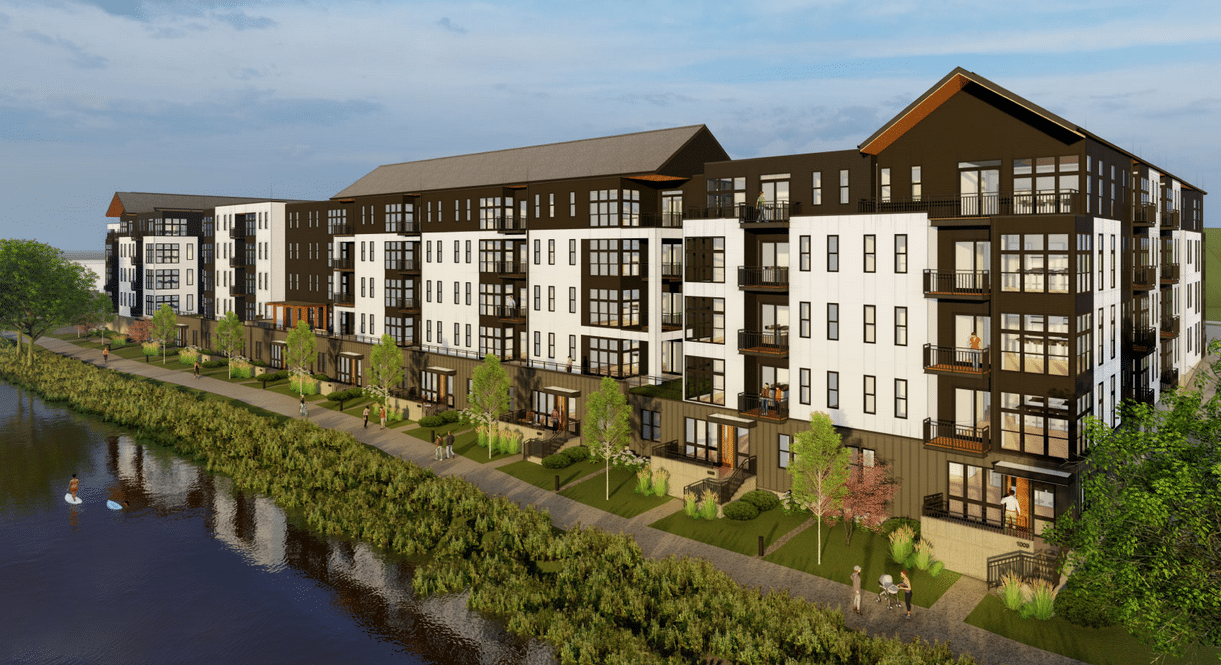
What Works Best: Proven Apartment Layout Strategies
Designing apartments that perform well in Kenya requires more than meeting basic standards—it involves applying proven layout strategies that enhance space, reduce costs, and improve tenant satisfaction. The following approaches have consistently delivered strong results in modern apartment developments.
Open-Plan Living
Open-plan layouts combine the kitchen, dining, and living areas into one continuous space. This approach eliminates unnecessary walls, making even small units feel larger and more inviting. It is especially effective for studios and one-bedroom apartments where maximizing perceived space is critical. Open-plan living also improves natural light distribution and encourages better interaction within the home, making it highly attractive to young professionals and urban tenants.
Vertical Space Utilization
In apartments where floor space is limited, vertical space becomes a valuable asset. Incorporating features such as overhead cabinets, wall-mounted shelves, and tall wardrobes increases storage without reducing usable floor area. This strategy is particularly important in smaller units, where clutter can quickly make a space feel cramped. Well-designed vertical storage solutions enhance functionality while maintaining a clean, organized look.
Repetitive Floor Plans
Using repetitive floor plans across multiple levels is a highly effective cost-saving strategy. By standardizing unit layouts, developers simplify construction, reduce design errors, and speed up the building process. It also makes material estimation and labor planning more predictable. From a management perspective, repetitive layouts make maintenance and future renovations easier, as systems and unit structures are consistent throughout the building.
Centralized Services Design
Efficient apartment design places plumbing, drainage, and other service systems in centralized locations. For example, stacking kitchens and bathrooms vertically across floors reduces the complexity of piping and minimizes installation costs. This approach not only lowers construction expenses but also simplifies maintenance and reduces the risk of system failures.
Overall, these strategies—open layouts, smart storage, standardized designs, and efficient services planning—are key to creating apartments that are both cost-effective to build and highly desirable to tenants.
Designing for Small Plots (50×100 & 40×80)
In Kenya, many apartment developments are built on standard plot sizes such as 50×100 and 40×80, especially in urban and peri-urban areas. These limited spaces present both a challenge and an opportunity—developers must strike a balance between maximizing the number of units and maintaining livable, attractive spaces.
One of the key goals when designing for small plots is to maximize unit density without overcrowding. This requires careful planning of building footprint, circulation areas, and shared spaces. Instead of squeezing too many units into a limited area, successful designs focus on efficiency—ensuring each unit remains functional, well-lit, and properly ventilated. Overcrowding may increase unit numbers in the short term, but it often leads to lower tenant satisfaction and higher vacancy rates.
Another critical consideration is the balance between parking and residential units. In many Kenyan towns and cities, tenants expect at least some level of parking provision. Allocating too much space to parking reduces the number of rentable units, while insufficient parking can make the property less attractive. Smart solutions such as ground-floor parking, stilt parking, or partial basement parking can help optimize both needs.
To achieve optimal results, developers should adopt smart layout strategies that enhance density without compromising quality. These include using compact unit designs, minimizing corridors, adopting open-plan layouts, and stacking units efficiently across floors. Vertical development also plays a key role, allowing more units without expanding the building footprint.
Ultimately, successful apartment design on small plots is about efficiency, balance, and strategic planning—ensuring the project remains both profitable and appealing to tenants.
Modern Apartment Design Trends in Kenya (2025–2026)
Apartment design in Kenya is evolving rapidly, influenced by changing lifestyles, technology, and the need for efficiency. Developers who incorporate modern trends into their projects are better positioned to attract tenants and achieve higher returns.
Minimalist Design
Minimalism continues to dominate apartment interiors, especially in urban areas. This approach emphasizes clean lines, simple finishes, and uncluttered spaces. Neutral color palettes, sleek cabinetry, and reduced decorative elements create a modern, elegant look. Minimalist design not only enhances visual appeal but also makes spaces feel larger and easier to maintain—an important factor for tenants.
Multifunctional Spaces
With limited space in many apartments, there is a growing shift toward multifunctional living areas. Features such as foldable furniture, convertible sofas, and flexible room layouts allow a single space to serve multiple purposes. For example, a living room can double as a workspace or guest area. This flexibility is particularly attractive to young professionals and small households seeking practicality without sacrificing comfort.
Sustainable Materials
Sustainability is becoming a key consideration in apartment design. Developers are increasingly using eco-friendly building materials such as recycled finishes, energy-efficient fixtures, and locally sourced materials. These not only reduce environmental impact but can also lower long-term maintenance and utility costs, making the apartments more appealing to cost-conscious tenants.

Smart Technology Integration
Modern apartments are incorporating smart technologies to enhance convenience and security. Features such as automated lighting, smart locks, intercom systems, and CCTV surveillance are becoming more common. These technologies improve the overall living experience while also increasing the property’s value and attractiveness in a competitive market.
Biophilic Design
Biophilic design focuses on integrating natural elements into living spaces. This includes indoor plants, natural lighting, ventilation, and the use of materials like wood and stone. Such features create a calming environment, improve air quality, and promote well-being—qualities that many tenants increasingly prioritize.
Overall, these trends reflect a shift toward efficiency, sustainability, and enhanced living experiences, all of which contribute to higher tenant satisfaction and stronger investment performance.
Apartment Amenities That Increase Value
In Kenya’s competitive rental market, apartment amenities play a crucial role in attracting tenants and justifying higher rental prices. While basic housing needs are important, it is often the additional features that differentiate a property and increase its overall value.
Parking is one of the most essential amenities, especially in urban areas where car ownership is rising. Adequate and well-planned parking increases convenience and makes the property more attractive to working professionals and families. Developments with limited or no parking often struggle to compete.
Balconies are another highly desirable feature. Even in smaller units, a balcony provides extra usable space, improves ventilation, and enhances the overall living experience. Many tenants value access to outdoor space, particularly in densely built environments.
Rooftop spaces are increasingly popular in modern apartment developments. These areas can be used for relaxation, social gatherings, or even as shared recreational zones. When designed well, they add a premium feel to the property without significantly increasing construction costs.
Gyms and shared amenities such as lounges or co-working spaces are becoming more common, particularly in mid-range and high-end apartments. These facilities improve lifestyle convenience and appeal to younger, urban tenants who prefer integrated living environments.
Security features are non-negotiable. Elements such as perimeter walls, controlled access gates, CCTV surveillance, and security personnel significantly enhance tenant confidence and safety.
Key Insight: Apartments with well-planned amenities tend to attract more tenants, achieve higher occupancy rates, and command better rental income. In today’s market, amenities are not just extras—they are a strategic investment in property value and demand.
Cost Implications of Different Apartment Designs
The cost of developing apartments in Kenya is heavily influenced by design decisions. From unit size to building height and finishing quality, every design choice has a direct impact on the overall construction budget and long-term returns.
One of the biggest cost drivers is unit size. Larger apartments require more materials, more labor, and more time to complete. While they may attract higher rent, they also reduce the number of units that can be built on a given plot, affecting overall income potential. Smaller, well-optimized units often provide better returns per square meter when designed efficiently.
The number of floors also significantly affects construction costs. Low-rise buildings are generally more affordable because they do not require expensive structural reinforcements or lift installations. As the building height increases, costs rise due to additional requirements such as elevators, stronger foundations, fire safety systems, and advanced structural engineering. However, taller buildings can generate higher income by accommodating more units on the same land.
Finishing quality is another critical factor. Low-cost finishes such as basic tiles, standard fittings, and simple cabinetry help reduce initial construction costs but may attract lower rent. On the other hand, high-end finishes—such as imported tiles, modern kitchens, and premium fixtures—increase construction costs but can significantly boost rental income and property value.
A key decision developers must make is balancing efficiency versus luxury. Efficient designs focus on maximizing space utilization and minimizing unnecessary costs, making them ideal for middle-income markets. Luxury designs prioritize aesthetics, comfort, and premium amenities, targeting high-income tenants willing to pay more.
Ultimately, successful apartment projects strike a balance between cost control and value creation, ensuring the design aligns with the target market and expected returns.
Common Apartment Design Mistakes to Avoid
Even well-funded apartment projects can underperform if critical design mistakes are made during the planning stage. Many of these errors are avoidable with proper research, professional input, and a clear understanding of the target market.
One of the most common mistakes is poor layout planning. When rooms are not logically arranged, apartments become uncomfortable and inefficient to use. Poor circulation between spaces, awkward kitchen placements, or lack of privacy in bedrooms can significantly reduce tenant appeal.
Another major issue is ignoring ventilation and natural lighting. Apartments without proper airflow or sufficient windows often feel stuffy and dark, leading to poor living conditions and lower demand. Good ventilation is essential for comfort and long-term structural durability.
Overcrowding units is also a frequent mistake, especially on small plots. While maximizing unit numbers may seem profitable, it often results in cramped spaces, reduced comfort, and higher vacancy rates. Quality should always take priority over quantity.
Lack of parking provision is another critical error in urban developments. In areas where most tenants own vehicles, insufficient parking can make an otherwise well-designed apartment unattractive and difficult to rent.
Finally, many developers fail by designing without proper market research. Understanding tenant preferences, income levels, and location demand is essential. Without this insight, even well-built apartments may fail to achieve expected returns.
Avoiding these mistakes ensures that apartment developments remain functional, competitive, and profitable in Kenya’s fast-growing real estate market.
Case Insight: What Successful Apartment Developers Do Differently
Successful apartment developments in Kenya rarely happen by chance—they are the result of deliberate planning, strategic decisions, and early professional involvement. The difference between an average project and a highly profitable one often lies in the quality of decisions made before construction begins.
One key practice is proper planning before construction starts. Successful developers invest time in feasibility studies, market research, and detailed design development. This helps them understand what type of units are needed, what tenants can afford, and how to maximize returns from the available land.
Another important factor is hiring architects and engineers early in the process. Instead of designing informally and adjusting later, successful developers collaborate with professionals from the beginning. This ensures that the apartment design is structurally sound, cost-efficient, and aligned with regulatory requirements.
Top-performing developers also maintain a strong focus on tenant needs. They design apartments based on real market demand rather than personal preference. This includes considering unit size, layout functionality, parking needs, ventilation, and amenities that tenants actually value.
In addition, they consistently optimize space for ROI (return on investment). Every square meter is planned strategically to balance livability and profitability. Wasteful layouts are avoided, and designs are refined to maximize both rental income and occupancy rates.
Key Insight: In apartment development, design decisions made at the early stage directly determine long-term profitability. Developers who prioritize planning, professional input, and tenant-focused design consistently outperform those who rush into construction.
How to Choose the Right Apartment Design Plan
Choosing the right apartment design plan is one of the most important decisions a developer can make, as it directly influences construction costs, rental income, and long-term investment success. A well-chosen design ensures that the project aligns with market demand and delivers sustainable returns.
The first step is to clearly define your target market. Understanding whether you are targeting students, young professionals, or families will determine the type of units, layout, and amenities to include. Each group has different expectations in terms of space, affordability, and comfort.
Next, carefully evaluate your land size and shape. The available plot—whether 50×100, 40×80, or larger—will influence the building typology, number of units, and parking arrangement. A good design makes full use of the land without overcrowding or compromising functionality.
It is also essential to work with qualified professionals such as architects, structural engineers, and quantity surveyors. Their expertise ensures that the design is practical, structurally sound, and compliant with building regulations. Professional input also helps avoid costly mistakes during construction.
Finally, developers must strike a balance between cost and returns. While it may be tempting to minimize construction costs, overly cheap designs can reduce tenant appeal and long-term profitability. On the other hand, overly luxurious designs may increase costs without guaranteeing higher occupancy.
A successful apartment design plan is one that carefully balances market demand, land efficiency, professional expertise, and financial viability to ensure maximum return on investment.
Conclusion: What Works Best in Apartment Design Plans in Kenya
Successful apartment design in Kenya is not defined by size or complexity, but by how well it balances functionality, market demand, and efficiency. Across all the key elements discussed, one clear message stands out: well-planned design directly determines performance in the rental market and long-term investment returns.
The most effective apartment projects are built on smart layouts that maximize usability while maintaining comfort. Thoughtful room arrangement, proper circulation, and attention to privacy ensure that each unit feels practical and livable. When combined with market-driven unit mix decisions, developers can better match tenant needs, whether targeting students, young professionals, or families.
Equally important is efficient space use. In Kenya’s urban environments where land is limited and expensive, every square meter must be purposefully designed. Avoiding wasted space, optimizing vertical areas, and using standardized layouts all contribute to better construction efficiency and improved profitability.
Modern developments also benefit from incorporating current design trends, such as open-plan living, multifunctional spaces, smart technology, and sustainable materials. These features not only enhance tenant experience but also increase competitiveness in a crowded rental market.
Ultimately, the success of an apartment project depends on strategic design decisions made long before construction begins. Developers who prioritize planning, efficiency, and tenant needs consistently outperform those who focus only on aesthetics or unit quantity.
Final Insight: The best apartment design in Kenya is not the largest or most expensive—it is the one that is efficient, market-focused, and built to maximize both livability and return on investment.