County real estate development in Kenya is accelerating under devolution. Discover top county investment opportunities, growth drivers, risks, and how to invest profitably in regional property markets.
Introduction
County real estate development in Kenya has become a major driver of regional economic growth and investor confidence. County governments are increasingly using real estate development to improve competitiveness, attract private capital, and expand local economies beyond Nairobi. Through devolution and real estate growth in Kenya, counties now control planning, infrastructure funding, and development approvals, making county property markets some of the fastest-growing investment destinations in the country.
As county investment opportunities in Kenya expand, investors are shifting attention to regional property markets in Kenya that offer lower land prices, rising demand, and strong long-term returns. This shift is positioning counties as serious alternatives to traditional urban real estate hubs.
Quick Snapshot: County Real Estate Development in Kenya
- Devolution and real estate growth in Kenya have pushed property development beyond Nairobi into county towns and emerging urban centers.
- Counties are competing for investors through infrastructure projects, improved zoning policies, and development incentives.
- Residential housing, mixed-use projects, and industrial developments dominate county real estate markets today.
- Investors benefit from affordable land entry costs, expanding tenant demand, and high growth potential in regional property markets in Kenya.
Devolution and the Rise of County Real Estate Development in Kenya
How devolution reshaped county land use and urban planning
Devolution transferred key planning powers from national government to counties, allowing faster decision-making on land use and zoning. Counties can now prepare local physical development plans that respond directly to population growth, housing demand, and commercial needs. This flexibility has accelerated county real estate development in Kenya, especially in emerging urban centers outside Nairobi.
County governments as active real estate enablers
County governments are no longer passive administrators; they actively enable real estate growth through policy support and partnerships. Many counties provide development incentives, fast-track approvals, and invest in serviced land to attract developers. These actions are expanding county investment opportunities in Kenya and improving investor confidence in regional property markets.
Public infrastructure spending and private property demand
Increased county spending on roads, drainage, water, and public facilities has a direct impact on property demand. Infrastructure projects open up new development zones, raise land values, and attract private developers seeking early entry. This link between public investment and private real estate growth is a key pillar of county real estate development in Kenya.
County Competitiveness and Real Estate as an Economic Tool
Real estate contribution to county GDP and job creation
Real estate development contributes significantly to county economic growth through construction activity, service jobs, and long-term commercial operations. Housing projects, shopping centers, and industrial parks generate employment while expanding the local tax base. As a result, counties increasingly view property development as a strategic economic driver.
How counties use property development to attract investors
Counties use real estate projects to position themselves as attractive investment destinations. Flagship developments, planned urban zones, and mixed-use projects signal readiness for business and long-term growth. This strategy strengthens county investment opportunities in Kenya and draws both local and diaspora investors.
Comparing county competitiveness rankings and property growth
Counties with strong competitiveness rankings often show faster real estate growth due to better governance, infrastructure, and investor support. Property markets in these counties experience higher demand, price appreciation, and project activity. Understanding these rankings helps investors identify high-potential regional property markets in Kenya.

Top Performing and Emerging County Property Markets
Nairobi County as the benchmark real estate market
Nairobi remains the benchmark for county real estate development in Kenya due to its mature market, strong demand, and diverse property segments. It sets pricing, design, and investment trends that other counties often follow. While entry costs are higher, Nairobi continues to anchor investor confidence in regional property markets.
Kiambu County and satellite town expansion
Kiambu County benefits from proximity to Nairobi and rapid growth of satellite towns such as Ruiru, Thika, and Kikuyu. Affordable land, improved roads, and rising housing demand have positioned Kiambu as a top destination for county investment opportunities in Kenya. Residential estates and mixed-use developments dominate this fast-expanding market.
Nakuru County as a logistics and residential hub
Nakuru County has emerged as a key logistics and residential hub due to its strategic location along major transport corridors. The town’s city status has increased demand for housing, commercial space, and serviced plots. This growth strengthens Nakuru’s role in county real estate development in Kenya.
Kisumu County and lake region urban renewal
Kisumu County is experiencing renewed real estate activity driven by infrastructure upgrades and urban renewal projects. Improved roads, port activity, and public investments are reshaping the lake region property market. These changes are attracting developers seeking early entry into growing regional property markets in Kenya.
Emerging counties gaining investor attention
Counties such as Machakos, Kajiado, Uasin Gishu, and Nyeri are gaining investor attention due to lower land prices and expanding urban centers. These areas offer strong growth potential for investors targeting long-term appreciation. Identifying these markets early is key to maximising county investment opportunities in Kenya.
Key Drivers of Regional Property Markets in Kenya
Infrastructure development and transport corridors
Infrastructure development is one of the strongest drivers of regional property markets in Kenya. Highways, bypasses, rail links, and utility upgrades open new development zones and increase land values. Counties with major transport corridors experience faster real estate growth and higher investor interest.
Population growth and urban migration trends
Population growth and rural-to-urban migration are increasing demand for housing and commercial space in county towns. As people move closer to jobs and services, counties must expand residential and mixed-use developments. This demand supports sustained county real estate development in Kenya.
Land affordability and speculative growth zones
Affordable land prices make counties attractive to both developers and individual investors. Speculative growth zones near planned infrastructure or urban boundaries often deliver strong capital gains. These areas play a major role in shaping future regional property markets in Kenya.
County zoning, planning approvals, and development speed
Efficient zoning and faster planning approvals improve development speed and reduce investor risk. Counties with clear land-use policies and streamlined approval processes attract more real estate projects. This governance advantage directly impacts county investment opportunities in Kenya.
County Investment Opportunities by Property Type
Residential housing demand across county towns
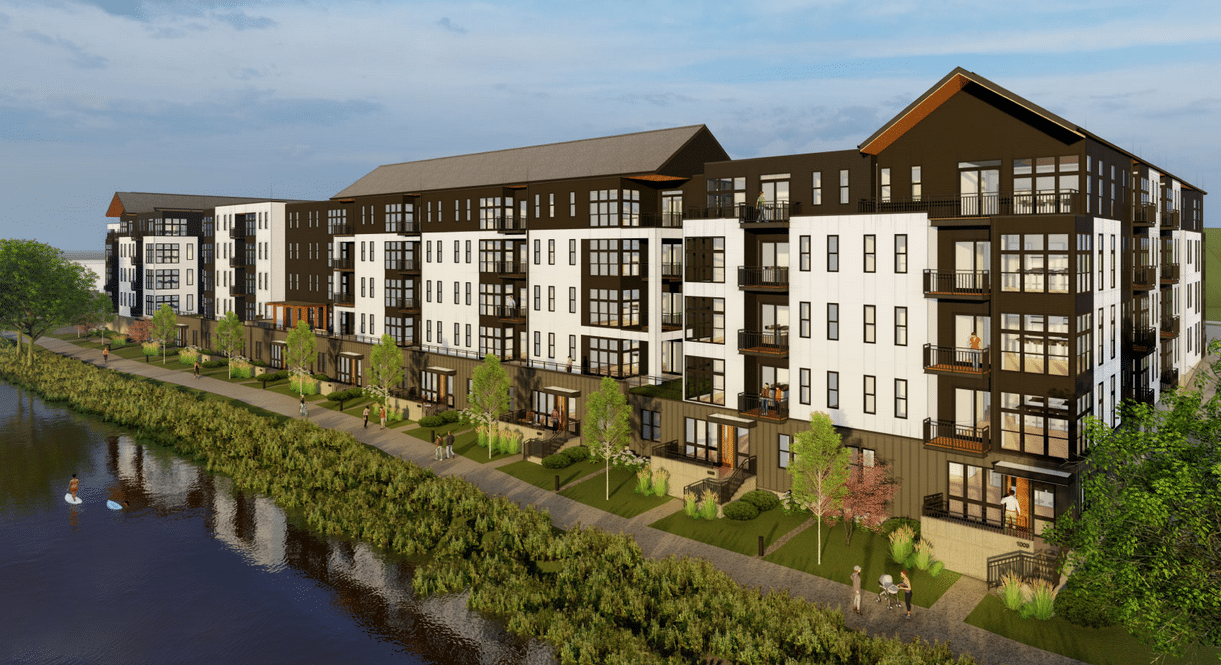
Residential housing remains the strongest driver of county real estate development in Kenya. Growing urban populations, public sector employment, and expanding middle-income households are increasing demand for apartments, gated estates, and rental housing in county towns. These trends create stable and scalable county investment opportunities in Kenya.
Commercial and mixed-use developments in counties
Commercial and mixed-use developments are rising as counties grow into self-sustaining economic centers. Office space, retail hubs, and integrated live-work developments support local businesses and service industries. These projects strengthen regional property markets in Kenya by increasing land utilisation and rental yields.
Industrial parks, SEZs, and logistics real estate
Industrial parks, Special Economic Zones (SEZs), and logistics facilities are expanding beyond Nairobi into county regions. Counties located along highways, rail lines, and ports are attracting warehousing and light manufacturing investments. This segment is becoming a high-impact pillar of county real estate development in Kenya.
Land banking and long-term county investment strategies
Land banking offers investors long-term value by acquiring plots in early-stage growth areas. Counties with planned infrastructure and urban expansion present strong appreciation potential over time. This strategy is ideal for investors targeting future gains in county investment opportunities in Kenya.

Risks, Regulations, and Due Diligence at County Level
County land ownership systems and title verification
Land ownership systems vary across counties, making title verification a critical step for investors. Proper due diligence helps prevent disputes, fraud, and project delays. Clear land ownership is essential for secure county real estate development in Kenya.
Planning approvals, permits, and compliance risks
Planning approvals and construction permits are handled at county level, with processes differing by region. Delays or non-compliance can increase costs and stall projects. Understanding local approval requirements reduces risk and improves project timelines in regional property markets in Kenya.
Political, policy, and execution risks in county projects
Political changes and policy shifts can affect development priorities and project execution. Investors must assess governance stability, budget allocation, and leadership continuity. Managing these risks is key to protecting returns from county investment opportunities in Kenya.

Conclusion
County real estate development in Kenya is reshaping how investment and growth are distributed across the country. With devolution enabling counties to guide planning, infrastructure, and investor incentives, regional property markets in Kenya now present strong opportunities for both short-term income and long-term capital growth. Investors who understand county-specific dynamics, risks, and demand patterns are best positioned to succeed in this evolving real estate landscape.