Introduction
Building a 2-bedroom bungalow in Kenya is one of the most popular choices for homeowners looking for affordability, comfort, and efficient use of space. Understanding the cost of building a 2-bedroom bungalow in Kenya is crucial before starting any construction project. This guide will help you plan your budget and avoid unexpected expenses.
Why a 2-Bedroom Bungalow?
A 2-bedroom bungalow is ideal for small families or as an investment property. Choosing this type of house offers several advantages:
Lower construction costs compared to larger homes.
Easy to maintain and manage.
Suitable for most plots of land in urban and rural areas.
Flexible layout options for modern designs.
Related post: House Designs in Kenya
Importance of Cost Awareness
Knowing the cost to build a 2-bedroom house in Kenya helps you plan and execute your project efficiently. Key benefits of being cost-aware include:
Avoiding overspending and budget overruns.
Making informed decisions on materials and labour.
Understanding regional price differences for materials and construction.
Prioritising essential features without compromising quality
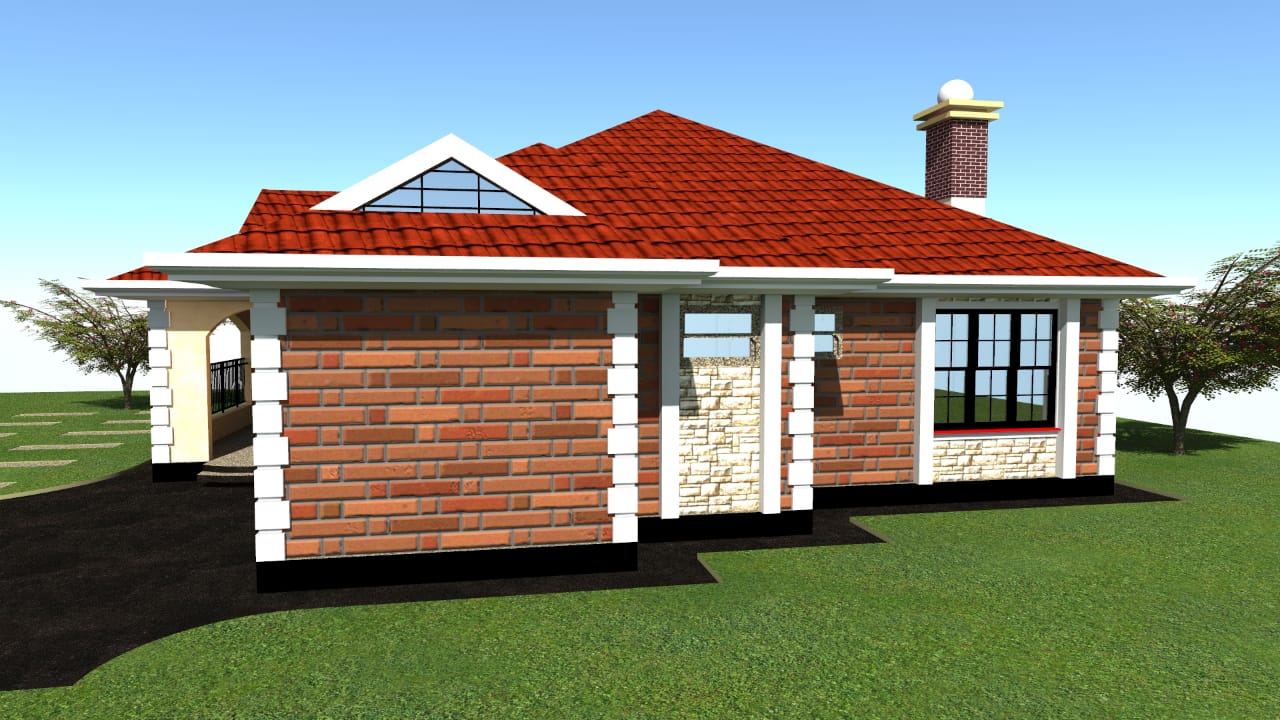
Estimated Construction Costs in 2025
Understanding the cost of building a 2-bedroom bungalow in Kenya in 2025 is essential for planning your budget effectively. Costs vary widely depending on location, design, and materials. Knowing the expected price range helps homeowners make informed decisions before starting construction.
Related post: Designing and Constructing Modern 5-Storey Commercial and Apartment Buildings: A Blueprint for Success
Average Cost Range
The average cost to build a 2-bedroom bungalow in Kenya ranges from KES 700,000 to KES 3 million. Lower-end homes (basic finishes and local materials) can cost around KES 700,000 – KES 1 million. Mid-range homes (moderate finishes, standard designs) typically cost KES 1.2 – 2 million. High-end homes (premium materials and modern designs) may reach KES 2.5 – 3 million.
Factors Influencing Costs
Several key factors affect the construction cost of a 2-bedroom bungalow in Kenya:
Location: Urban areas like Nairobi are more expensive than rural regions.
Labour: Skilled labour costs vary by region and contractor experience.
Materials: Imported materials cost more than locally sourced options.
Design Complexity: Modern designs with open plans or additional features increase expenses.
Sources & References
Realtors Kenya – Cost of Building 2-Bedroom Houses
Building in Kenya – Detailed Rural Construction Costs
Construction Kenya – Average Cost per Square Meter
Related post: Interior Design Trends for Bungalow Houses
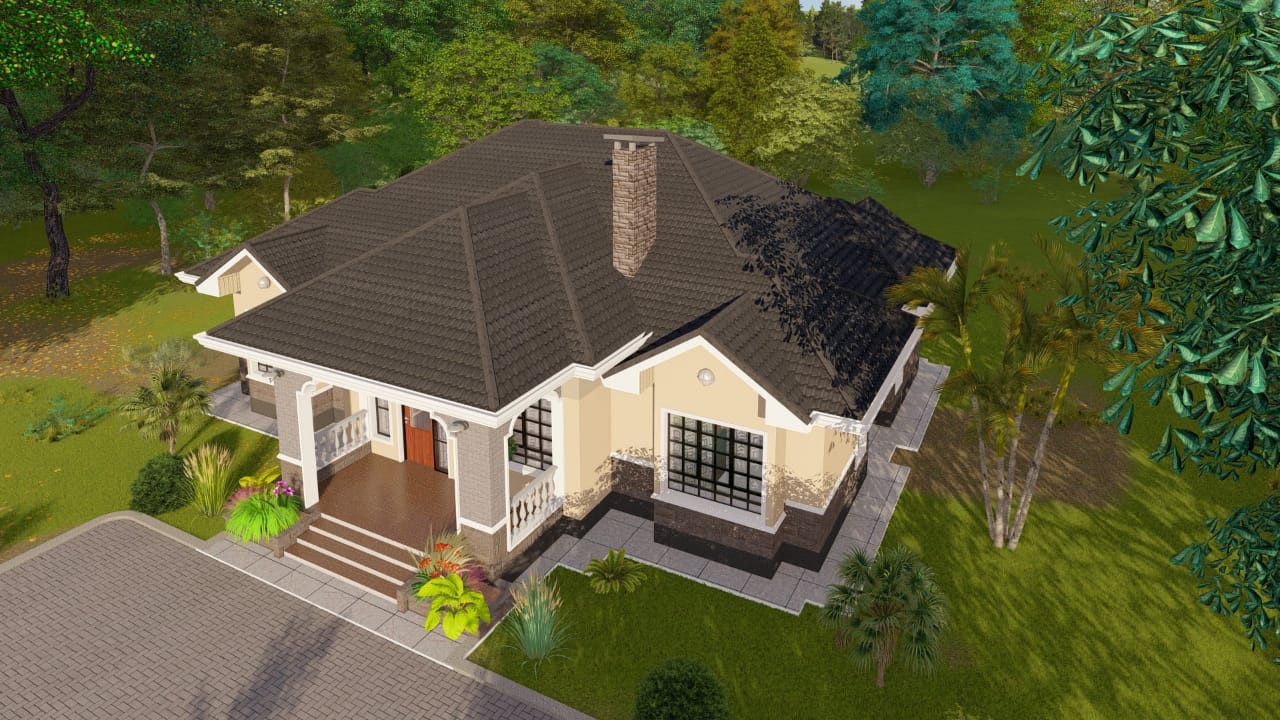
Key Cost Components
When planning the cost of building a 2-bedroom bungalow in Kenya, it’s important to understand the main cost components. Breaking down the expenses helps you allocate your budget effectively and avoid surprises during construction.
Land Acquisition
The cost of land varies significantly depending on location:
Urban areas: High demand and limited plots can push prices from KES 2 million to 10 million or more.
Rural areas: Land is more affordable, often ranging from KES 150,000 to 1 million.
Tip: Always verify the title deed and zoning regulations before purchase.
Building Materials
Materials are a major factor in construction costs. Common materials include:
Bricks or blocks – local vs imported.
Roofing sheets or tiles – aluminium, iron, or clay options.
Windows and doors – standard vs customised designs.
Finishing materials – paint, tiles, and plumbing fixtures.
Tip: Using locally sourced materials can reduce costs significantly without compromising quality.
Labor Costs
Labour costs depend on the skill level and region:
Skilled labour – masons, carpenters, electricians, plumbers.
Unskilled labour – general construction assistants.
Regional variations – Nairobi and other urban areas are generally more expensive.
Tip: Hiring reputable contractors and monitoring progress can prevent delays and extra costs.
Finishing & Fixtures
Finishing costs can vary widely depending on your choices:
Interior finishes – paint, tiling, cabinetry.
Plumbing fixtures – sinks, showers, taps.
Electrical fittings – switches, lighting, sockets.
Exterior touches – gates, fencing, landscaping.
Tip: Prioritise essential fixtures first and plan optional upgrades later to manage costs.

Regional Cost Variations
The cost of building a 2-bedroom bungalow in Kenya varies depending on the region. Understanding these differences helps you budget accurately and avoid surprises.
Nairobi & Central Kenya
Urban areas like Nairobi and parts of Central Kenya have higher construction costs due to:
Increased demand for labour and materials.
Higher land prices.
Stricter building regulations.
Need for modern utilities and infrastructure.
Tip: Plan your budget carefully and consider phased construction if costs are high.
Coastal Region
Building in the coastal region requires special considerations for humidity and corrosion:
Use corrosion-resistant roofing and metal fixtures.
Choose materials suitable for high moisture levels.
Factor in potentially higher transport costs for some materials.
Western & Nyanza Regions
These regions generally have lower construction costs, but you may face some challenges:
Material availability may be limited in rural areas.
Transporting materials from urban centres can increase costs.
Labour costs are usually lower than in urban areas.
Tip: Source materials locally whenever possible to minimise transportation costs.
Related post: Cost of an Architect to Draw House Plans in Kenya

Design and Size Considerations
The design and size of a 2-bedroom bungalow in Kenya play a big role in construction costs. Careful planning ensures you get a functional home without overspending.
Optimal Size for Cost Efficiency
Most 2-bedroom bungalows range between 80–100 m², which balances comfort and affordability.
Smaller homes reduce material and labour costs.
Larger layouts increase flexibility but also the budget.
Consider future expansion options to avoid costly renovations later.
Design Complexity
Architectural choices can significantly impact your building cost:
Open-plan designs and modern features often cost more.
Simple rectangular or square layouts are cheaper to build.
Roof style, ceiling height, and wall finishes influence expenses.
Tip: Focus on a practical design that meets your family’s needs without unnecessary extras.
Layout & Functional Planning
Efficient layouts can maximise space without increasing costs:
Combine living and dining areas for an open feel.
Use multipurpose rooms to save space.
Ensure adequate natural light and ventilation to reduce future energy costs.
Financing and Budgeting Tips
Planning the cost of building a 2-bedroom bungalow in Kenya includes not just construction, but also financing and budgeting. Proper financial planning ensures your project stays on track from start to finish.
Financing Options
There are several ways to finance your 2-bedroom bungalow construction:
Personal savings: Ideal for small-scale projects or phased construction
Bank loans: Home loans or construction loans from local banks.
SACCOs: Savings and credit cooperatives offer flexible financing.
Government schemes: Programs like the Kenya Mortgage Refinance Company can assist eligible buyers.
Budgeting Strategies
Effective budgeting helps you control the cost of building your bungalow:
Track expenses for materials, labour, and permits.
Use phased construction to spread costs over time.
Set aside a contingency fund (10–15%) for unexpected expenses.
Cost-Saving Practices
You can reduce construction costs without compromising quality by:
Buying materials in bulk or during off-peak seasons.
Sourcing local materials instead of imported ones.
Keeping designs simple and avoiding unnecessary architectural features.
Related post: Top 600 Sq Ft Apartment Plans for 2 Bedroom Rentals
Permits and Legal Requirements
Before starting construction, understanding the permits and legal requirements for building a 2-bedroom bungalow in Kenya is crucial. Skipping these steps can lead to fines, delays, or even demolition.
Required Permits
You need several approvals to build legally:
Building permits from your local county government.
Environmental impact assessments are required if your plot is near sensitive areas.
Land-use consents to ensure compliance with zoning regulations.
Tip: Always obtain written approvals before starting any construction.
Legal Considerations
Ensure your project is legally secure by checking:
Title deed verification to confirm ownership.
Zoning laws to ensure your land allows residential construction.
Encumbrances such as mortgages or disputes on the property.
Avoiding Legal Pitfalls
Common mistakes that can delay construction or increase costs include:
Starting construction without permits.
Ignoring building codes or safety standards.
Failing to resolve land disputes before construction.
Tip: Work with a qualified lawyer or architect to navigate all legal requirements efficiently.
Cost-Saving Strategies
Managing the cost of building a 2-bedroom bungalow in Kenya doesn’t mean compromising quality. Smart planning and strategic choices can significantly reduce expenses.
Material Selection
Choosing the right materials can save money without affecting durability:
Locally sourced materials like clay bricks, sand, and timber are often cheaper than imported alternatives.
Recycled or second-hand fixtures can reduce finishing costs.
Bulk purchases for common materials like cement, tiles, and paint.
Labor Management
Efficient labour planning helps control costs:
Hire reputable contractors with a track record of completing projects on time.
Negotiate fair rates for skilled and unskilled labour.
Monitor work progress to avoid delays and extra charges.
Design Simplicity
Simpler designs reduce both material and labour costs:
Avoid overly complex rooflines or intricate architectural features.
Stick to straightforward layouts like rectangular or square plans.
Focus on functionality rather than unnecessary aesthetic features.
Related post: A Kshs 180 Million Apartment Design in Kikuyu, Kiambu: Studio to 3-Bedroom Investment Opportunity
Conclusion
Planning and budgeting for the cost of building a 2-bedroom bungalow in Kenya is key to completing your project successfully. Understanding the major expenses and strategies helps you make informed decisions and avoid unexpected costs.
Summary of Key Points
Here’s a quick recap of what we’ve covered:
Cost range: KES 700,000 – 3 million, depending on design, location, and materials
Key cost components: Land, materials, labour, and finishing
Regional variations: Urban areas like Nairobi are more expensive, while rural regions offer lower costs
Design & planning: Optimal sizes, simple layouts, and functional spaces help reduce costs
Budgeting tips: Financing options, phased construction, and cost-saving practices
Final Recommendations
To ensure a smooth construction process:
Plan carefully and stick to your budget.
Choose materials and designs wisely for cost efficiency.
Hire reputable contractors and professionals to avoid delays.
Monitor progress regularly to stay on track.
Next Steps for Builders
Once you’re ready to start your 2-bedroom bungalow project:
Verify land ownership and obtain all necessary permits.
Consult with architects for an efficient and functional layout.
Consider phased construction if budget or financing is limited.
Begin sourcing materials and hiring skilled labour.
Frequently Asked Questions (FAQ)
- What is the average cost to build a 2-bedroom bungalow in Kenya?
The average cost to build a 2-bedroom bungalow in Kenya ranges from KES 700,000 to KES 3 million, depending on factors such as location, materials, labour, and design complexity. Urban areas like Nairobi are generally more expensive than rural regions.
- How much does land cost for building a 2-bedroom house in Kenya?
Land costs vary widely:
Urban areas: KES 2 million – 10 million
Rural areas: KES 150,000 – 1 million
Always verify the title deed and zoning regulations before purchasing land to avoid legal issues.
- What are the labour costs involved in constructing a 2-bedroom bungalow?
Labour costs depend on skill level and region:
Skilled labour: masons, carpenters, electricians, plumbers.
Unskilled labour: general construction assistants.
Costs are higher in urban areas due to demand and living expenses.
- How can I reduce construction costs for a 2-bedroom house in Kenya?
You can reduce costs by: Using locally sourced materials. Keeping designs simple and functional. Hiring reputable contractors and monitoring progress. Purchasing materials in bulk or off-season.
- What materials are recommended for building a 2-bedroom bungalow in Kenya?
Recommended materials include:
Clay bricks or blocks for walls
Corrugated iron sheets or tiles for roofing
Standard windows and doors
Durable finishing materials for interiors and plumbing
- How long does it take to build a 2-bedroom bungalow in Kenya?
Construction typically takes 6–12 months, depending on:
Plot location and size
Design complexity
Availability of labour and materials
Weather conditions and regulatory approvals
- Are there financing options available for constructing a 2-bedroom house?
Yes, financing options include:
Personal savings for small-scale projects
Bank loans or home construction loans
SACCOs offering flexible terms
Government schemes like KMRC for eligible buyers
- What permits are required to build a 2-bedroom bungalow in Kenya?
Necessary permits include:
Building permit from the county government
Environmental clearance if the land is near sensitive areas
Land-use consent to ensure compliance with zoning laws
Tip: Obtaining all permits before starting construction helps avoid fines and delays.
Pingback: Project Management in Construction Kenya – Best Practices
Pingback: Roofing Materials in Kenya – Prices & Best Options - Construction in Kenya
Pingback: Affordable Housing Projects in Kenya – Opportunities & How to Benefit - Real Estate Journal Kenya
Pingback: Luxury Villa Designs in Nairobi — Floor Plans & Costs
Pingback: Best Location for Rentals in Kenya [2025 Guide] - West Kenya Real Estate Shop
Pingback: ROI of Student Hostels in Kenya: How to Calculate, Maximise & Get Paid Back Fast - West Kenya Real Estate Shop