If you are borrowing to build a house, the lender will rarely hand over the full loan on day one. Most banks and SACCOs release construction money in instalments, and each instalment follows a stage valuation: a valuer visits the site, confirms what has been built and reports how much the work is worth. Understanding stage valuations for construction loans in Kenya helps you plan cash flow, avoid stalled sites and keep your contractor paid on time. For the basics of valuation itself, start with our main guide, property valuation in Kenya: process, fees and how to choose a valuer.
Stage valuations protect the lender, but they protect you as well. An independent check at every stage tells you whether the money you have paid matches the work on the ground, which is exactly where many self-managed projects go wrong.
Need a stage or construction valuation? Get a quick response from our valuation team: WhatsApp 0789 217 685
What is a stage valuation for a construction loan in Kenya?
A stage valuation (sometimes called a progress or interim valuation) is an inspection and short report prepared while a building is under construction. It normally answers three questions for the lender:
- What work has been completed since the last visit, and does it follow the approved drawings?
- What is the value of the property as it stands today (land plus work in place)?
- How much will it cost to complete, and is the remaining loan plus your own contribution enough to finish?
The lender then decides how much of the next instalment to release. Valuation is a recognised discipline of the surveying profession in Kenya, alongside land surveying and others, as the Institution of Surveyors of Kenya notes. Lenders usually instruct a valuer from their own panel, and the borrower generally pays the fee for each visit, so ask your lender how many inspections the loan will need.
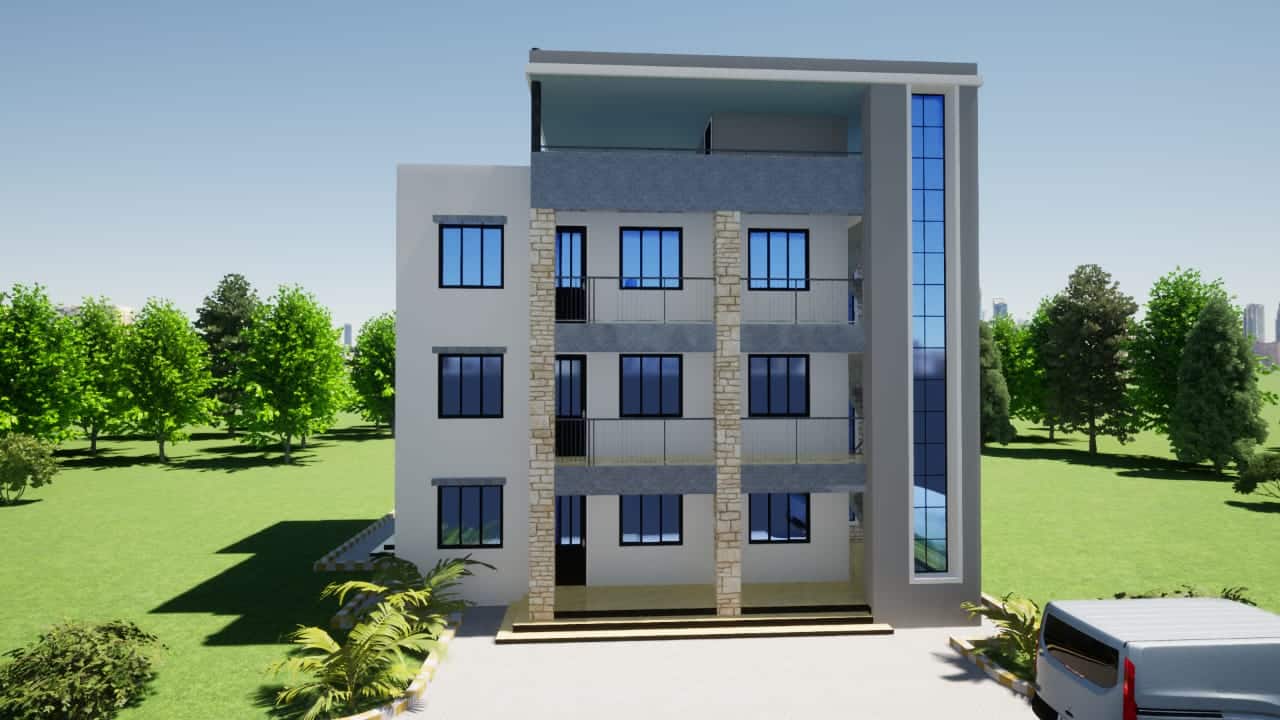
How the release process usually works
- Initial valuation. Before approving the loan, the lender values the land and assesses the proposed building from the drawings and BQ. This sets the maximum it will lend. Our guide to property valuation for a mortgage in Kenya covers this first step in detail.
- Your own contribution first. Many lenders expect you to fund the early stages, often the foundation, from your own money before the first loan tranche is released. Check the exact condition in your offer letter.
- Request for a stage inspection. When a stage is complete, you or your contractor notify the lender, who instructs the valuer.
- Site visit and report. The valuer inspects, takes photos, compares the work with the drawings and BQ, and reports the value of work done and the cost to complete.
- Release of funds. The lender releases the agreed amount, sometimes directly to the contractor or suppliers rather than to you.
- Final valuation. At completion, a final inspection confirms the finished value and the last tranche is released.
Typical stages a valuer inspects
Each lender sets its own stages in the offer letter, but for a house they commonly follow the natural construction sequence:
| Stage | What the valuer looks for |
|---|---|
| Foundation and ground floor slab | Footprint matches the approved plan; slab cast; DPC and hardcore in place |
| Walling to ring beam | Walls up to lintel and ring beam; openings in the right places |
| Roofing | Roof structure and covering complete; gutters fixed or provided for |
| Services and plastering | Plumbing and electrical first fix; internal and external plaster |
| Finishes and completion | Floors, ceilings, doors, windows, sanitary fittings, paint, external works |
An illustration of how work in place is valued
Suppose you are building a 110 m² standard 3-bedroom bungalow in Western Kenya, such as our simple 3-bedroom bungalow plan WKRE062. At Integrum’s indicative rate of KSh 57,080 per m², the build budget is about KSh 6,278,800. If your BQ shows that the foundation and walling to ring beam make up 35% of the total, the work in place at that stage is worth roughly KSh 2,197,580, and the cost to complete is about KSh 4,081,220. This is an illustration only; a valuer works from your actual BQ, site and market evidence, not a fixed percentage.
Note the second figure. If the remaining loan plus your savings cannot cover the cost to complete, the lender may hold back funds until the gap is closed. Borrowing costs matter too: the Central Bank of Kenya rate stood at 8.75% as of 7 October 2026, and lenders price their own loans above it, so every month a site stands idle adds interest without adding value.
Documents to have ready for each stage valuation
- Copy of the title deed or lease and the latest official search
- Approved architectural and structural drawings, and the county approval letter
- The priced Bill of Quantities and the building contract
- The previous valuation report, if any
- Records of variations agreed with your contractor
- Recent site photos and, where relevant, concrete cube test results
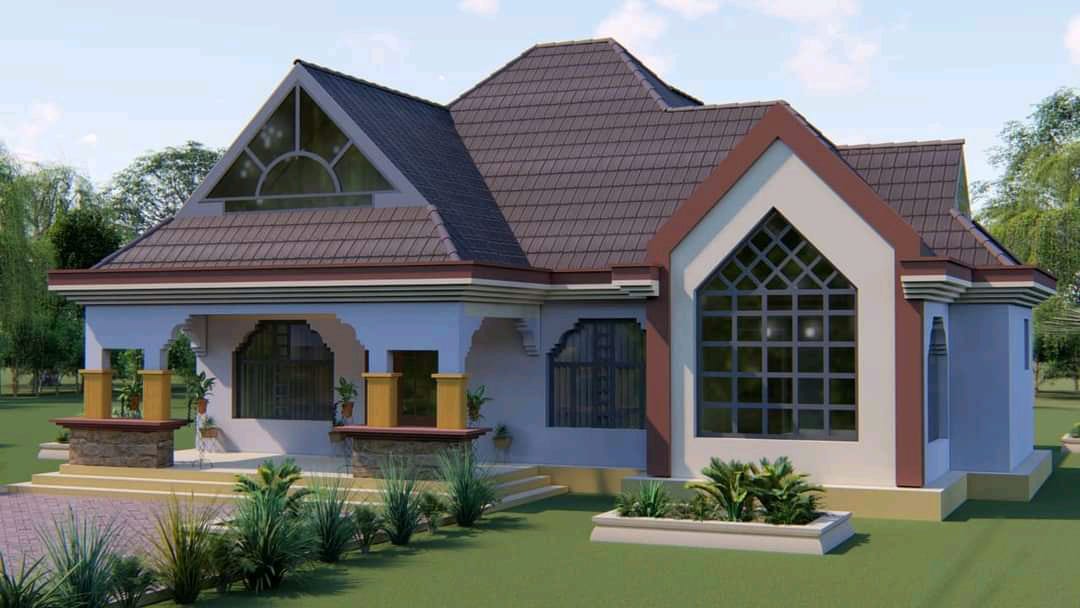
Why tranches get delayed, and how to avoid it
- Building differs from the approved drawings. An extra room or moved wall can stop a release until the change is regularised. Agree changes before building them.
- Calling the valuer too early. A stage that is 90% done is not done. Wait until the milestone in your offer letter is fully complete.
- Materials on site instead of work in place. Many lenders give little or no value to unfixed materials, so do not stockpile with loan money.
- Poor workmanship. Visible cracks, honeycombed concrete or uneven walls may be noted in the report and questioned by the lender.
- A funding gap. If the cost to complete has grown beyond the remaining loan, sort out your contribution early. Our partner site explains financing options for construction projects in Kenya and how to build in phases without stalling.
- Weak contract terms. Make sure your contractor’s payment schedule matches the lender’s stages; see what a design and build contract in Kenya should include.
Questions to ask your lender before you start
- How many stages will the loan be released in, and what exactly counts as complete for each?
- How much must I contribute before the first release?
- Who appoints the valuer, and who pays for each visit?
- Are funds paid to me, to the contractor or to suppliers?
- How long after the valuation report is money usually released?
- What happens if costs rise during construction?
If you are borrowing through a SACCO rather than a bank, the steps are similar; read property valuation for SACCO loans in Kenya. And if you want to understand why reports show more than one figure, see market value vs forced sale value.
Valuation and construction under one roof
West Kenya Real Estate Ltd values property and builds houses, so we understand both sides of a stage valuation. Our valuations are carried out under licensed valuer Ken Otumba; registration details are available on request. We value property for lenders and institutions including Real People Kenya, Kanisa Sacco and Great Lakes University, as well as many individual property owners. If you are building with us, we plan the construction stages around your lender’s release schedule from the start.
Need a valuation for your construction loan?
Send us the property location, the stage your building has reached and your lender’s name on WhatsApp. We will confirm what the valuation involves and how quickly we can visit.
Or call 0789 217 685 / 0724 481 087.